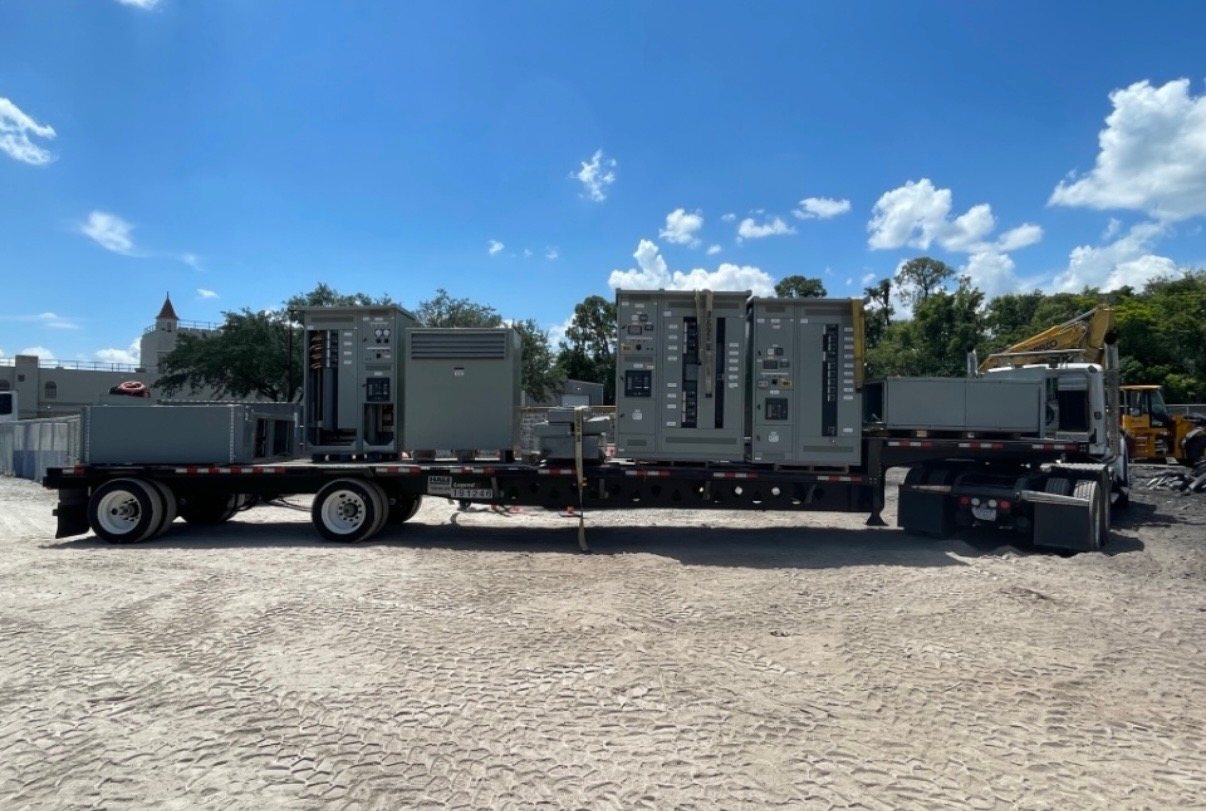
Custom switchgear manufacturing for Beaumont projects
Beaumont projects can involve new facilities, capacity changes, or replacement of existing distribution equipment. The right manufacturing scope depends on the one-line diagram, source and load characteristics, available space, and how the equipment connects to the broader electrical system. We build new equipment to specification for projects serving Beaumont, rather than offering a presumed standard package that may not match the site or design.
For an initial scope review, identify the project location, equipment function, design stage, and requested delivery window. Include the latest one-line diagram and any applicable specifications, schedules, or equipment-room drawings. These materials help clarify what is being requested and what remains open for engineering coordination. Availability, design feasibility, component origin, documentation, and lead time are confirmed for the configuration during quotation review.
Choose the product category around the distribution need
The product category should follow the electrical function, not simply the project label. We supply custom switchboard assemblies, including assemblies designed to applicable UL 891 requirements where appropriate to the specified configuration. Depending on the project scope, a request may also concern other low-voltage distribution equipment or new retrofit components intended for a defined replacement application. The applicable standard and listing must be verified for each proposed configuration.
When requesting a quote, describe whether the equipment is intended for service entrance, downstream distribution, a particular load group, or a replacement within existing gear. Identify the required voltage and current design parameters, number and type of sections if known, incoming and outgoing arrangements, and any metering or control requirements. These details help distinguish a complete new assembly from a component-only scope and reduce ambiguity in the quotation.
Prepare project information for a useful quote
A focused quote request gives the manufacturer enough context to assess the scope without treating incomplete information as final design. Send the project specification, one-line diagram, equipment schedule, and relevant installation drawings when available. Note the design revision and identify any requirements that are still pending. If the project is in design development, state which parameters are fixed and which may change so the review can account for that uncertainty.
Owners and contractors should also identify the purchasing entity, project phase, requested quotation format, and anticipated procurement decision date. If the request is for new retrofit components, provide the existing equipment manufacturer and model information when known, along with photographs or drawings that identify the relevant interfaces. Compatibility cannot be assumed from a general equipment description; the existing configuration and requested replacement scope need to be reviewed before a proposal can be defined.
Coordinate dimensions, interfaces, and installation constraints
For a Beaumont installation, room layout and equipment interfaces can influence the manufacturable design and the work required at site. Provide available room dimensions, access and handling constraints, cable-entry preferences, conduit or bus connections, and the location of adjacent equipment. Flag environmental conditions or project requirements that may affect enclosure selection. These inputs help identify coordination questions early, but final design responsibility and site verification should remain clear among the project’s qualified parties.
For replacement work, document existing section dimensions, mounting and connection details, circuit arrangement, and the condition of the equipment that will remain in service. State whether the requested scope is a new complete assembly or only new retrofit components. Any interface assumptions should be listed for review rather than left implicit. Installation, servicing, testing, and energization must be performed by qualified personnel under approved project procedures.
Specify components, standards, and project documentation
Project documents should identify required components, ratings, accessories, instrumentation, control features, and any approved alternatives. If American components are required, state that requirement in the request and identify any project-specific domestic-content criteria. Component origin and applicable documentation must be confirmed for the quoted configuration; an origin request alone does not establish independent verification or compliance with Buy American, BAA, or other domestic-content rules.
List the standards and approvals called for in the project specification, and identify whether a particular assembly listing is required. UL 891 applies to switchboards, not automatically to every type of switchgear or every configuration. We review the requested scope against the applicable requirements, but listing and standards applicability must be verified for the proposed assembly. Include requested submittals, drawings, manuals, and test documentation so their availability can be addressed with the quotation.
Review schedule, quotation scope, and next steps
Schedule planning should account for design completion, submittal review, component availability, manufacturing, freight, and site readiness. Share the date the equipment is needed and any milestone that drives it, such as a planned installation window or a facility handover. Lead time is subject to project review and confirmation for the specific configuration; it should not be assumed from a general product category or treated as a delivery guarantee.
To request pricing, send the available technical package and identify the equipment or components to be quoted, destination in Beaumont, requested quantities, and any options that should be priced separately. Ask that exclusions, open technical questions, documentation, and delivery assumptions be stated clearly. A complete quotation gives owners and contractors a practical basis for comparing scope, coordinating design decisions, and planning procurement. Changes to ratings, interfaces, or specifications after review may require the scope and pricing to be reassessed.