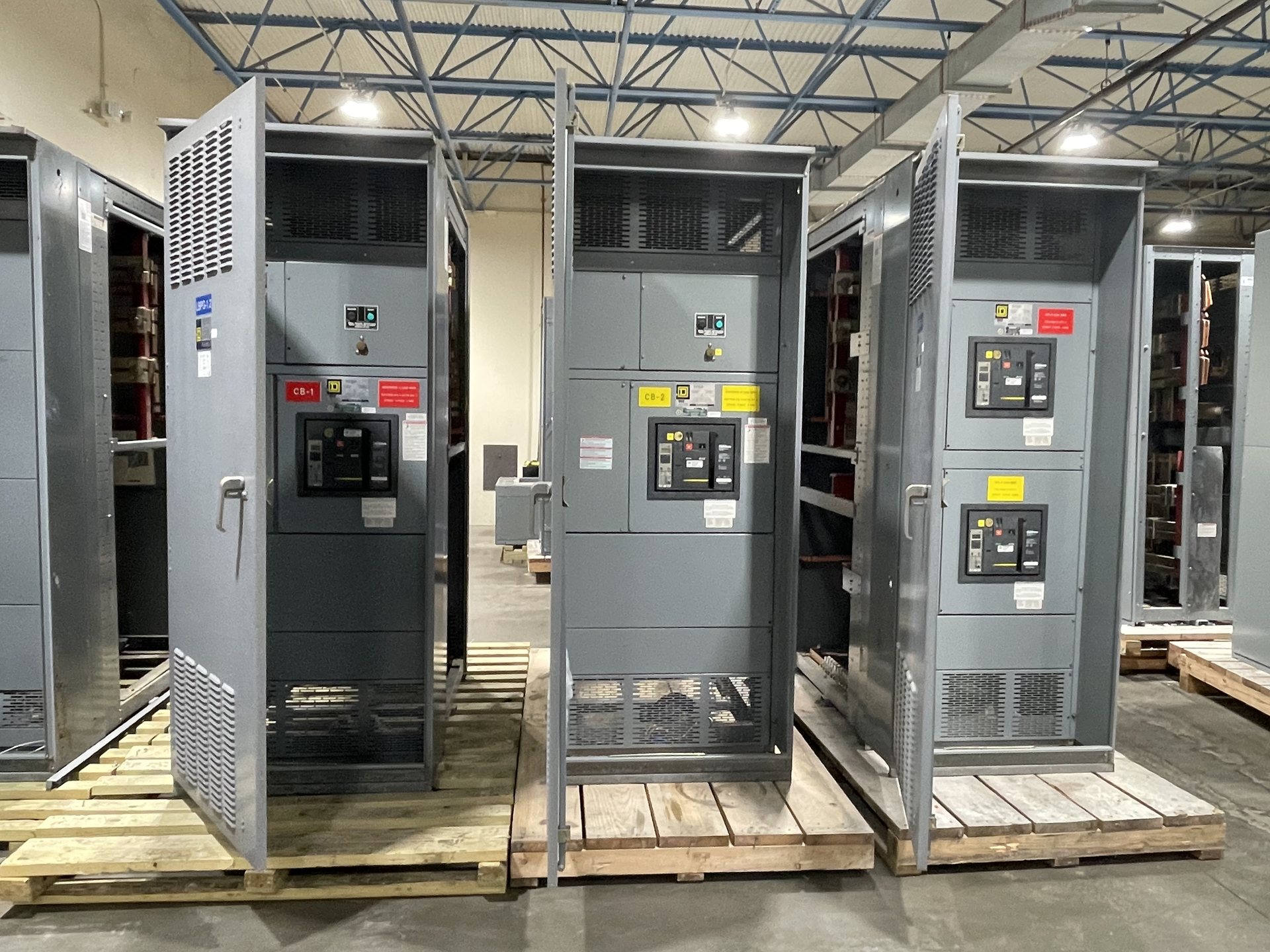
When automatic transfer is needed
An ATS is appropriate when a project requires a defined group of loads to receive power from a second source without relying on someone to operate a manual changeover. Common project drivers include continuity requirements, operational risk, and the need to keep selected building systems available during loss of normal utility power. The ATS does not create backup power; it switches connected loads between sources that the project provides.
Start by identifying which loads need alternate-source power and why. An engineer or facility team should distinguish essential functions from loads that can remain off, then define acceptable interruption and restoration behavior for each group. An ATS may serve one load group or be part of a larger distribution arrangement with multiple transfer points. Whether automatic transfer is suitable, and which loads it should control, must be established through project engineering.
Define normal and alternate sources
The normal source is the preferred supply during ordinary operation, often utility power. The alternate source is a separate supply intended to serve the ATS-connected loads when the normal source is unavailable or outside the project’s acceptable limits. Depending on the design, that alternate may be generator power or another approved source. The one-line diagram should identify each source, its upstream equipment, and the loads supplied through the ATS.
Source names alone are not enough to confirm compatibility. The project team must establish electrical characteristics, available fault current, grounding and neutral arrangements, protective-device coordination, and the source capacity available to the transferred loads. Clarify whether the ATS transfers the neutral and how grounding is handled in the overall system. We review these interface requirements against the requested configuration; applicable standards, listing, and documentation must be verified for that assembly.
How source-loss sensing initiates transfer
An ATS monitors defined electrical conditions on its sources. If the normal source crosses project-selected limits or is otherwise deemed unacceptable by the specified controls, the ATS can initiate the transfer sequence. Sensing may consider conditions such as voltage and frequency, but the exact functions, thresholds, delays, and phase-monitoring requirements are design choices—not assumptions that should be left to a generic description.
The project should state what constitutes a failed source and how long a condition must persist before action. Time delays can help avoid unnecessary switching during brief disturbances, while the alternate source may need to be confirmed acceptable before the ATS connects the load. Teams should also specify what should happen if a source returns or fluctuates during the sequence. These settings and control responses require review in relation to the generator, loads, and operating requirements.
Coordinate the transfer sequence
A typical sequence begins with the ATS detecting an unacceptable normal source, then signaling or allowing the alternate source to become available before transferring the connected load. Once normal power is restored and satisfies the project’s criteria, the controls may transfer the load back and manage the alternate source’s return to standby. The precise order, delays, and retransfer behavior vary by design; they should be documented rather than inferred from the phrase “automatic transfer.”
Coordinate the ATS sequence with generator start and stop controls, any load-shedding plan, and the operating modes of connected equipment. Define what happens when the generator does not become ready, the alternate source fails after transfer, or normal power returns during an ongoing event. Consider whether transfer is open transition or another specified method, and whether particular loads require additional measures to manage interruption. Qualified personnel must validate and operate the system under approved procedures.
Select the arrangement for the loads
ATS selection depends on the system arrangement, load characteristics, and the equipment the transfer device must interface with. Establish the load current and voltage from the project design, identify motor or other demanding load behavior, and determine whether the loads can accept the expected interruption. Also clarify the number of source connections, the intended distribution location, and the protective devices coordinated with the transfer equipment.
Where multiple load groups have different priorities, separate transfer arrangements or staged restoration may be considered by the engineering team. This can affect the required switchgear layout, controls, and coordination between transfer points. Provide the latest one-line diagram, load schedule, source information, control requirements, and relevant equipment interfaces when requesting pricing. We build new equipment to specification; availability, engineering scope, component origin, lead time, and supporting documentation are confirmed for each quotation.
Plan documentation and retrofit scope
A useful submittal package should identify the normal and alternate sources, the ATS-connected loads, control sequence, sensing criteria, transfer and retransfer behavior, and interfaces to generator or building controls. Include the project’s required ratings and environmental conditions as design inputs rather than assuming a standard configuration. Record applicable codes and standards, required documentation, and any project-specific review or approval steps so the proposed assembly can be evaluated against the actual scope.
For an existing installation, provide field-verified dimensions, connection details, available drawings, equipment identification, and the condition of the surrounding switchgear. Retrofit work is limited to new equipment and new retrofit components. Replacement compatibility, outage planning, and installation responsibilities should be resolved by the project team before procurement. We serve Texas from the United States and ship nationwide, with project timing and configuration reviewed for each request.