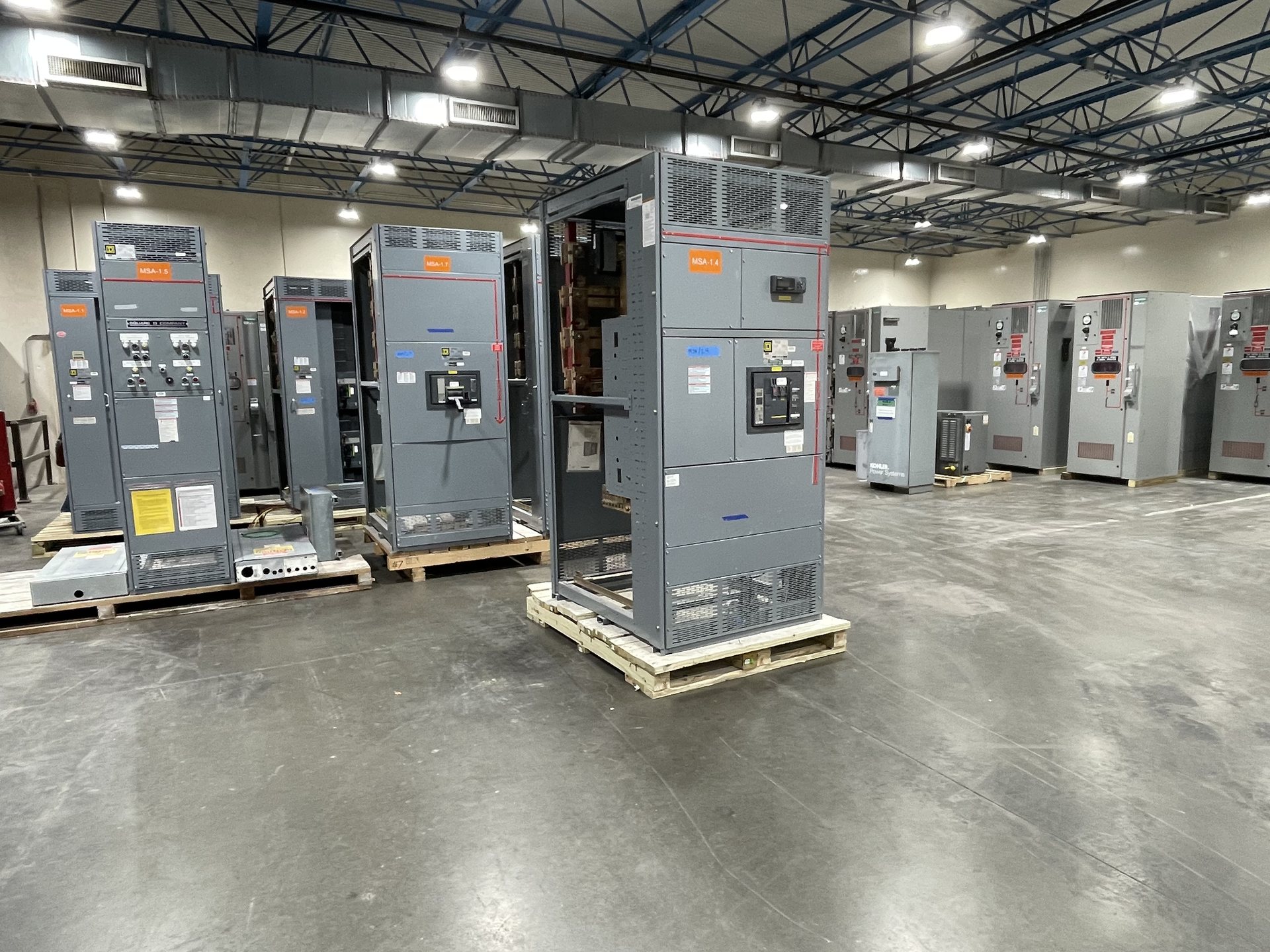
What a Load Interrupter Switch Is Designed to Do
A load interrupter switch opens or closes a circuit while carrying the types of load current identified for its design. Its switching duty may include normal load current and other specified operating conditions, but the device’s capability depends on its ratings and construction. The term describes a switching function; it does not, by itself, establish voltage class, interrupting capacity, enclosure type, or suitability for a particular system.
When scoping equipment, identify the circuit voltage, continuous current requirement, system configuration, load characteristics, operating frequency, and expected switching duty. Also clarify whether the switch is intended for routine switching, isolation as part of an assembly, or coordination with separate protective equipment. Those details help determine whether the proposed device and its surrounding equipment match the application rather than relying on the product name alone.
Load Switching Is Not Fault Interruption
A load interrupter switch is not automatically capable of clearing a short circuit or other fault current. A circuit breaker is designed to interrupt fault current within its assigned ratings, while a fuse interrupts current by operating its fusible element under specified conditions. A load switch may be used in an arrangement that includes a fuse or breaker, but the protective device performs the fault-clearing function.
For a complete design review, identify which device protects the circuit and establish how its ratings coordinate with the switch and connected equipment. Ask for the switch’s applicable load-interruption ratings and the protective device’s fault-interruption ratings, along with any relevant assembly ratings. Do not infer a fault-current capability from a switch’s ability to open under normal load, or assume a protective device is included unless the quotation and configuration state that clearly.
Switch, Protective Device, and Assembly Scope
The term load interrupter switch can refer to a device within a larger distribution arrangement, so procurement documents should define the supplied scope. Specify whether the request is for a standalone switch, a switch-fuse combination, a switch within switchgear, or a replacement component for existing equipment. State what is supplied with the device, including operating mechanism, accessories, connections, and any protective components, rather than leaving the boundary implicit.
For a new assembly, provide the one-line diagram, equipment schedule, available system information, and required operating sequence. For a retrofit, identify the existing equipment manufacturer and model when known, component catalog or drawing references, dimensions, interfaces, and photographs or drawings that show the installation context. Compatibility must be reviewed against the actual equipment and project requirements; a similar name or appearance does not establish interchangeability.
Ratings and Application Details to Confirm
The appropriate switch depends on more than nominal voltage. The review may require the maximum system voltage, continuous current, load type, switching frequency, grounding arrangement, short-circuit information, and the protective-device scheme. Environmental conditions and enclosure requirements also matter, including indoor or outdoor use, ambient conditions, access constraints, and the location of cable or bus connections.
Ask the project engineer to identify the governing electrical specifications and the required ratings for each part of the arrangement. Confirm whether the switch is expected to perform any functions beyond ordinary load switching, and document those expectations explicitly. A quotation can then be reviewed against the application, with engineering, availability, component origin, lead time, and supporting documentation confirmed for the specific configuration.
New Equipment and New Retrofit Components
Switchgear Builders Texas supplies new equipment and new retrofit components. A retrofit inquiry should explain what is being replaced and why, such as a damaged mechanism, an obsolete component, or a planned equipment modification. Include the nameplate information, existing drawings, interface details, and any constraints that affect removal and replacement so the proposed new component can be evaluated for fit and function.
A retrofit review should also consider the effect of the replacement on the complete assembly. Changes to dimensions, connections, operating mechanisms, protective devices, or interlocks can affect equipment coordination and operating sequence. The customer’s qualified engineering and installation teams should determine required approvals and site procedures. We can review the supplied project information and quote a new component or equipment configuration subject to engineering review and confirmation of availability.
Documentation, Standards, and Safe Project Handoff
A useful submittal package should make the device’s intended role and limits understandable to the design and installation teams. Request applicable drawings, ratings, connection information, operating details, and documentation relevant to the quoted configuration. State any required standards or project specifications in the inquiry. Listing and applicable standards must be verified for the exact configuration; UL 891 applies to switchboard assemblies and is not a blanket listing for every type of switchgear or load interrupter switch.
Before requesting pricing, identify the delivery destination in Texas or elsewhere, requested documentation, project schedule, and any domestic-component requirements. Customers may specify American components, but origin and documentation need confirmation for each quotation, and component origin alone does not establish compliance with Buy American or other domestic-content rules. Installation, servicing, testing, and energization require qualified personnel following approved procedures; equipment selection should not substitute for the project’s safety and commissioning plans.