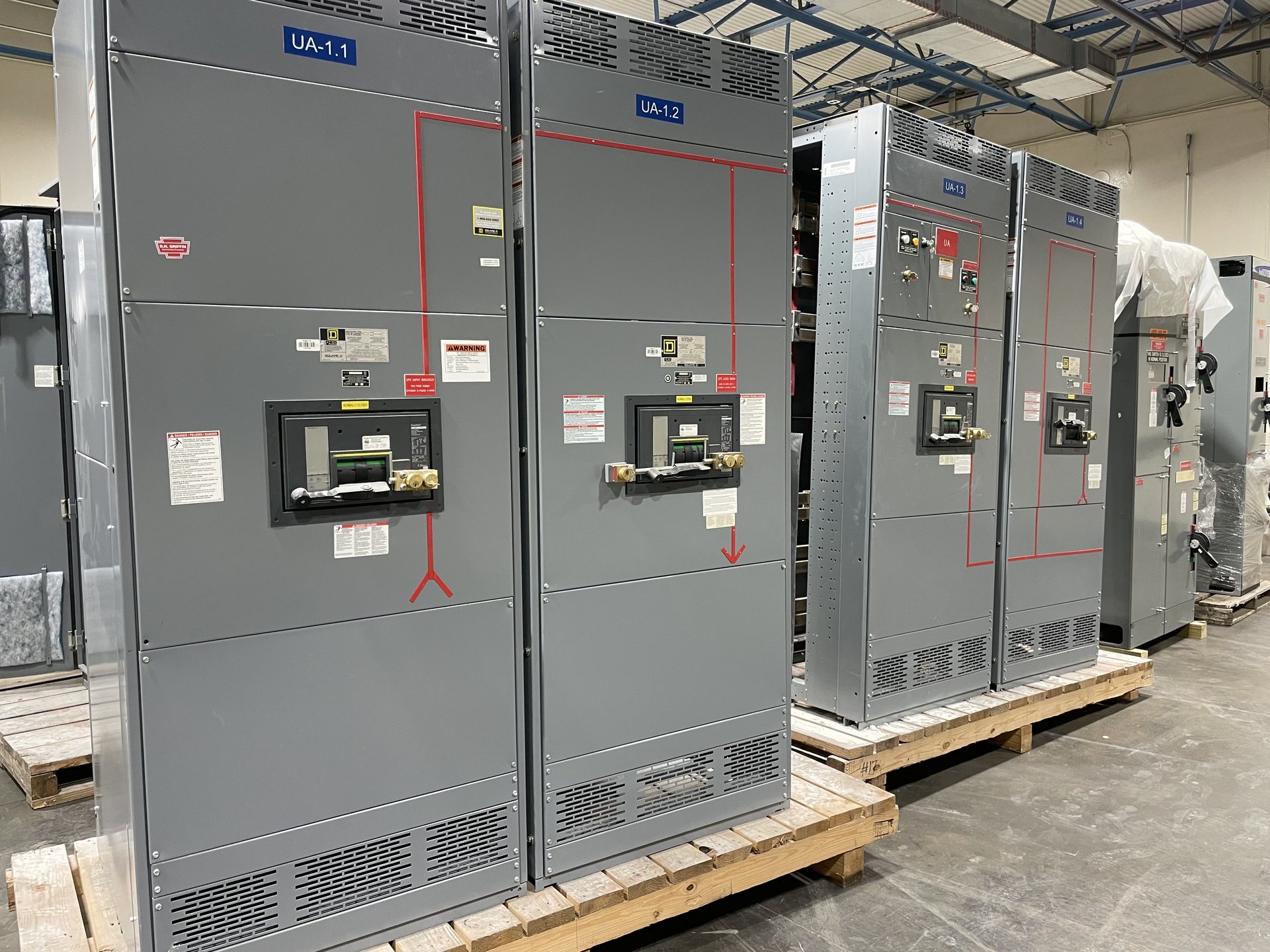
Retrofit and Modernization Planning for McKinney
A retrofit may involve new components that fit an existing assembly, while modernization may require replacement equipment because the original design, condition, or operating requirements no longer suit the facility. For a McKinney project, first define the work boundary: which sections remain, which components are replaced, and whether the scope changes the distribution arrangement. That distinction shapes compatibility review, engineering, procurement, and outage planning.
Useful starting questions include: What equipment must remain energized during the work? Which loads are critical, and what operating modes must be retained? Are there documented changes to the facility since the switchgear was installed? We use those answers, along with available drawings and field information, to assess whether a new retrofit component is appropriate or whether a new switchboard or other replacement equipment should be considered.
Survey Existing Equipment Before Selecting Replacements
An existing-equipment survey should capture manufacturer and model information where available, section arrangement, dimensions, mounting and connection details, bus configuration, incoming and outgoing interfaces, and control or metering requirements. Record nameplate data and the condition of accessible components, and note modifications that may not appear on the original drawings. Photographs, one-line diagrams, wiring diagrams, and equipment schedules help resolve gaps before a replacement is specified.
Do not assume that a component is interchangeable because its external dimensions appear similar. Internal clearances, barriers, bus geometry, termination locations, control circuits, and mechanical interlocks can affect fit and function. If records are incomplete, identify what must be confirmed through an appropriately planned field survey by qualified personnel. Installation and inspection activities should follow approved procedures; the survey is not a substitute for safe work planning.
Check Physical and Electrical Compatibility
Compatibility review should cover more than the enclosure footprint. Compare section width and depth, lineup connections, bus orientation, phase arrangement, conductor terminations, neutral and grounding provisions, and required access clearances. Check whether existing cable routing and conduit entry can serve the proposed design. For a new retrofit component, the mating interfaces and required operating functions must be established from reliable equipment data rather than inferred from appearance alone.
Also document control power, trip and close circuits where applicable, instrument-transformer requirements, metering signals, communications, and any facility monitoring interfaces affected by the work. Identify functions that must be retained, changed, or removed, and coordinate drawings with the parties responsible for protection and controls. These details allow the proposed new equipment or component to be reviewed as part of the complete installation, not as an isolated replacement.
Confirm Bus Capacity and Fault-Rating Requirements
The existing bus rating and the available fault-current duty are separate design questions. Establish the required continuous current capacity for the intended loading, then compare the proposed equipment’s applicable short-circuit and withstand ratings with the project’s available fault-current information and protective-device arrangement. Do not rely solely on an old nameplate or an assumed system value; the design team should confirm the current electrical conditions and applicable requirements.
A modernization can affect fault performance if it changes protective devices, source configuration, transformers, or parallel paths. Share updated one-line diagrams, protective-device information, and any available short-circuit or coordination studies for review. The quotation process should identify unresolved rating inputs rather than treating them as settled. Applicable standards and any listing requirements must be verified for the specific configuration; UL 891 applies to switchboards and is not a blanket listing for all switchgear.
Sequence Outages Around McKinney Facility Operations
Outage sequencing starts with the facility’s operating priorities, not with an assumed installation duration. Identify loads that cannot be interrupted, acceptable outage windows, temporary operating arrangements, and dependencies between electrical rooms or process areas. Then define the work in stages: equipment isolation, removal, installation, inspection, and return to service, with decision points for conditions that could change the sequence.
Coordinate the proposed sequence with facility operations, the electrical contractor, engineering, and any affected tenants or process owners. Confirm who authorizes each outage and restoration, how required notifications are handled, and what contingency applies if an interface or field condition differs from the survey. Schedule and lead time depend on project scope and review. No energization or live-work procedure should be inferred from a purchasing document; qualified personnel must follow approved site procedures.
Coordinate Field Installation and Project Documents
Before release for manufacturing, align the equipment scope with the field plan. Confirm access routes, room dimensions, door and handling constraints, anchoring conditions, conduit and cable interfaces, and responsibilities for demolition, connections, and disposal. Identify any work that must be completed before new equipment arrives and whether the project needs separate shipments or staged deliveries. These details help avoid a mismatch between a correctly specified assembly and the conditions at the installation site.
A useful submittal package may include approved equipment drawings, connection and interface information, bills of material, ratings, wiring details, and clearly stated exclusions or customer-supplied inputs. Request the documentation needed for the project review, and confirm which records, test documentation, and applicable standards are available for the quoted configuration. Availability, component origin, engineering, lead time, and documentation are confirmed for each quotation. We supply new equipment and new retrofit components.