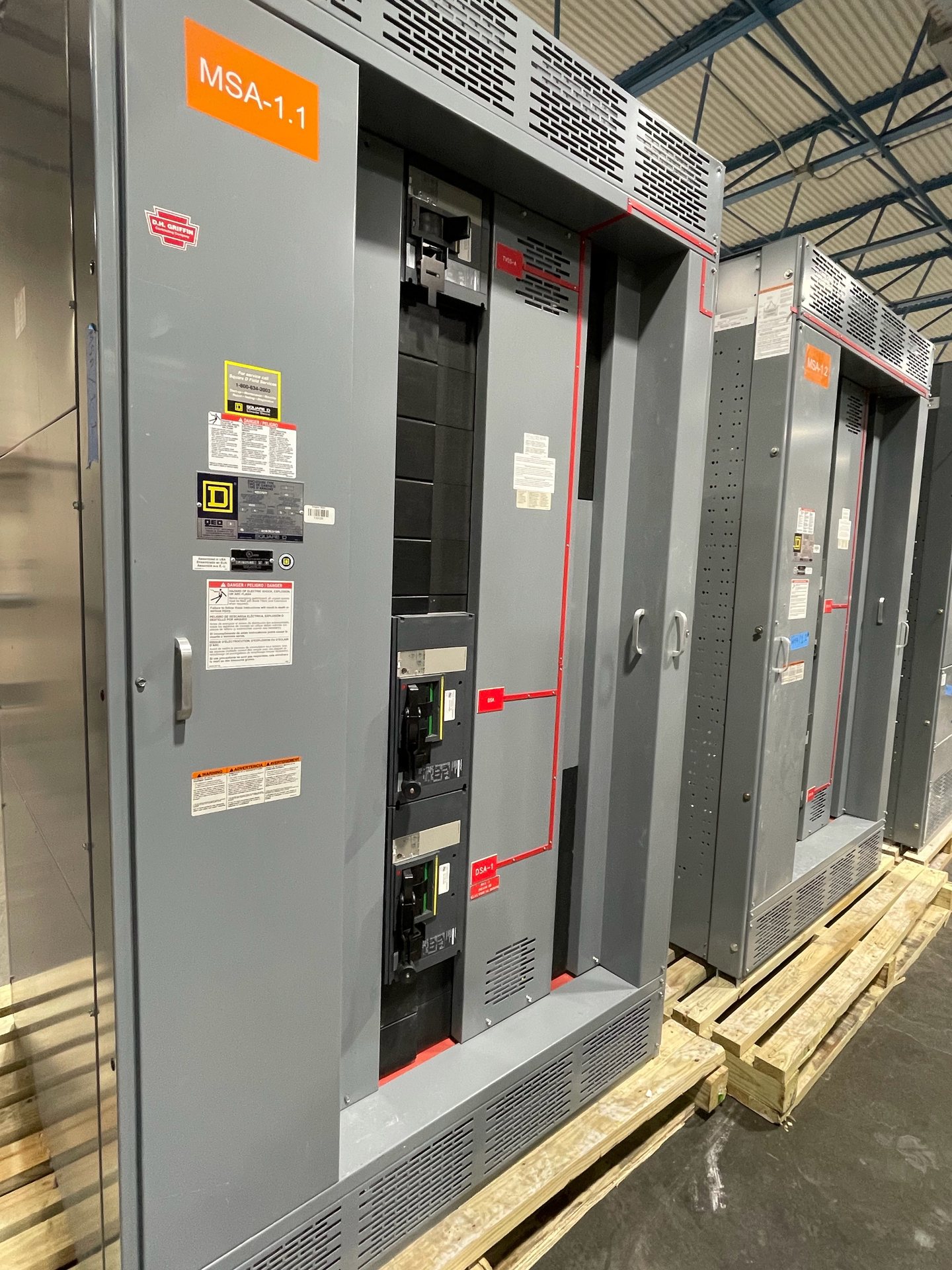
Match enclosure materials and finishes to actual exposure
Start with the contaminants that can reach the equipment, not a broad label such as “chemical area.” Identify chemical names or families, concentration where known, vapor or liquid exposure, temperature, and whether contact is continuous, intermittent, or limited to a process upset. Also describe nearby cleaning agents and deposits from production. These details help determine whether an enclosure material and finish are appropriate for the specific exposure rather than relying on a generic corrosion-resistant claim.
Project teams can compare enclosure and hardware material options, protective finishes, and dissimilar-metal interfaces against the documented conditions. Consider seams, fasteners, hinges, door edges, and mounting points as well as large exterior panels; localized degradation can affect access or enclosure integrity. Provide any owner or engineering material requirements with the request for pricing. Suitability remains configuration- and exposure-specific, and should be confirmed during project review rather than assumed from a material name alone.
Describe contamination and cleaning conditions
Corrosion is only one concern. Conductive dust, process residue, salt-bearing deposits, condensation, and liquid splashes can affect equipment differently, while repeated cleaning can challenge finishes and seals. Explain whether the installation is indoors or outdoors, whether it is near vents, cooling equipment, process lines, or wash areas, and how contaminants are likely to accumulate. Include seasonal humidity or temperature changes when these contribute to condensation on or inside the enclosure.
Describe the cleaning method, including whether personnel use sprays, pressure, steam, detergents, or solvents, and how often cleaning occurs. Clarify whether the equipment is exposed directly or protected by a barrier, room, or location choice. These facts help the project team assess enclosure construction, entry points, and maintenance needs. Do not treat a general statement such as “washdown area” as a complete specification; the direction, intensity, duration, and chemical content of exposure matter.
Verify the enclosure rating for the installation
Specify the enclosure rating required by the project and the conditions that rating must address. Identify the installation location, exposure to dust or water, expected cleaning practices, and any applicable owner or engineering criteria. A rating should be selected and verified for the complete proposed configuration, including doors, openings, cable entries, accessories, and any field modifications. A rating associated with an enclosure type should not be assumed to cover a different arrangement or later alteration.
Request confirmation of the applicable standards and documentation for the quoted assembly. UL 891 is a standard for switchboards; it is not a blanket listing for every form of switchgear or a substitute for confirming the proposed configuration. Listing status and applicable standards must be verified for the specific equipment. Share the project specification, one-line diagram, and any enclosure requirements so the quotation can identify items needing engineering review instead of implying a universal certification.
Provide the project information needed to select equipment
A useful equipment review begins with the electrical design basis: system voltage, available fault information, required current and distribution arrangement, incoming and outgoing connections, and the loads served. Provide the one-line diagram, equipment schedules, and applicable coordination or protection requirements when available. Identify whether the project calls for a switchboard assembly or another distribution configuration, and distinguish firm requirements from options still under design. These inputs support a quotation tied to the intended electrical application.
Pair the electrical documents with a site exposure summary: chemical list or process description, concentration and temperature information, exposure frequency, indoor or outdoor location, cleaning method, ambient conditions, and any protective enclosure around the equipment. Include dimensional limits, cable-entry preferences, access clearances, and owner standards. If information is not yet known, flag the open item rather than substituting an assumption. Engineering, component origin, availability, and supporting documentation are confirmed for each quotation.
Plan maintenance access without compromising protection
Maintenance requirements influence enclosure dimensions, door arrangement, component placement, and the space needed to inspect or replace parts. Identify which devices require routine observation or adjustment, the direction of approach, and any aisle, egress, or equipment-clearance constraints. Tell us whether access is limited by adjacent process equipment, piping, structural members, or overhead services. A layout that looks adequate on a drawing may be difficult to service if those obstructions are omitted from the project information.
Balance access with the need to preserve the enclosure’s intended protection. Frequent opening in a contaminated environment can introduce deposits or moisture, so the project should define inspection intervals, cleaning responsibilities, and any preferred access features. Discuss the maintenance approach with the facility’s qualified electrical personnel and design team. Installation, servicing, testing, and energization must be performed by qualified personnel under approved procedures; enclosure selection does not replace safe-work planning.
Specify new equipment and retrofit scope clearly
For a new installation, state whether the scope includes a complete distribution assembly, specified sections, or defined accessories, and provide the required drawings and electrical characteristics. For a retrofit, identify the existing equipment and the components to be replaced, along with verified dimensions, connection details, interface requirements, and the surrounding exposure conditions. Photographs can help explain access and contamination, but they do not replace measurements, electrical documentation, or confirmation of compatibility.
Switchgear Builders Texas supplies new equipment and new retrofit components manufactured to specification. Identify required component-origin preferences, finish requirements, documentation, and any project submittal milestones in the pricing request. We build using American components when specified, but domestic-content rules and independent origin verification should not be assumed. Lead time, engineering scope, availability, and documentation are subject to review and confirmation for the quoted configuration.