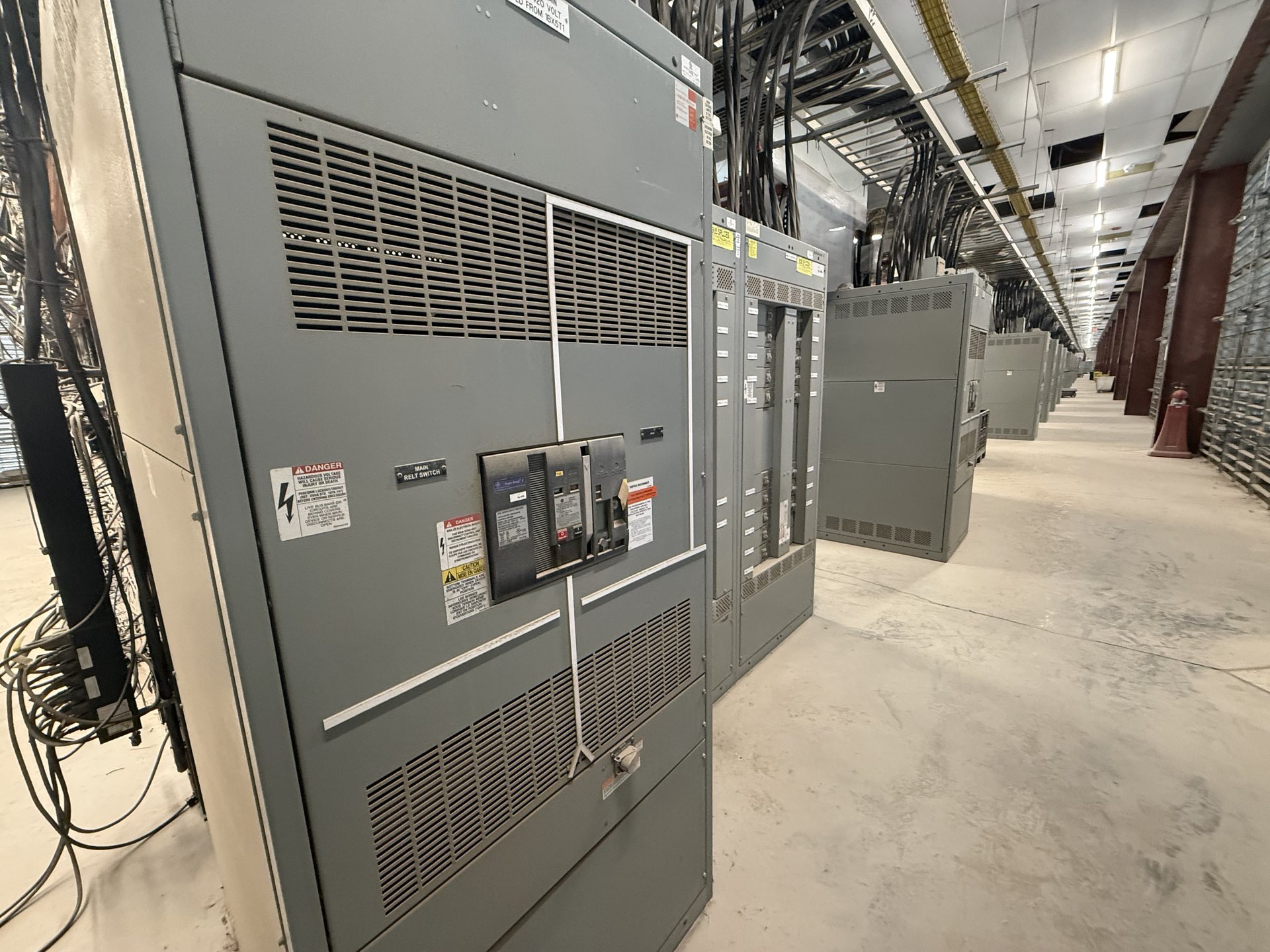
Custom switchgear manufacturing for San Antonio projects
San Antonio facilities range from commercial buildings and campuses to industrial sites and infrastructure projects, each with different distribution needs. We manufacture new equipment to specification rather than offering a one-size-fits-all configuration. Begin with the system purpose and design basis: what loads will be served, how is power entering and leaving the assembly, and what operating or future-expansion needs should the design address?
The project team should establish the required equipment type, system voltage and current, available fault-current information, enclosure and environmental requirements, and site constraints. These are design inputs, not guaranteed product ratings or availability. Our engineering and manufacturing review can identify missing or conflicting details before quotation, while final suitability depends on the project design and confirmation of the proposed configuration.
Choose equipment around the distribution scope
Depending on project requirements, the scope may include new switchboards, switchgear assemblies, panelboards, distribution sections, or new retrofit components intended for a defined application. UL 891 applies to switchboard assemblies; it is not a blanket standard for every type or voltage class of switchgear. The quote should identify the equipment category and intended use so applicable standards and listing requirements can be reviewed for that configuration.
For a retrofit, clarify whether the work involves replacing an assembly, adapting an existing lineup, or supplying new components for integration into existing equipment. Provide manufacturer and model information, nameplate data, available drawings, photographs, dimensions, and interface details where available. Compatibility cannot be assumed from appearance alone; the existing equipment and proposed new components require a project-specific technical review.
Prepare a useful San Antonio project intake
A complete intake package helps owners and contractors get a more relevant quotation. Include the one-line diagram, electrical specifications, equipment schedules, panel or switchboard schedules, applicable drawing revisions, and any project-specific procurement requirements. Identify the project location as San Antonio, the delivery destination, the purchasing entity, and the requested quote date so the scope and logistics can be evaluated together.
Call out information that commonly affects configuration: service arrangement, incoming and outgoing connections, feeder quantities, metering or control needs, enclosure conditions, access limits, and preferred component requirements. If a detail is not yet decided, mark it as pending rather than treating an assumption as final. We can review stated requirements and request clarification where needed; engineering, component origin, availability, and documentation are confirmed for each quotation.
Review components, standards, and project documents
Customers may specify American components for new equipment. State the preference clearly and identify any project clauses concerning domestic content or sourcing. Component origin and the ability to meet a particular requirement must be confirmed during quotation; specifying American components does not by itself establish independent verification or certify compliance with Buy American, BAA, or other domestic-content rules.
For San Antonio projects, align the equipment proposal with the documents used by the engineer, contractor, and procurement team. Confirm the drawing revision, requested submittal documents, applicable standards, identification requirements, and any inspection or testing documentation requested by the contract. Listing and applicable standards should be verified for the proposed configuration. Do not rely on a general product description as evidence that a specific assembly meets a project clause.
Plan purchasing, schedule, and delivery
Request pricing with enough information to distinguish the required scope from optional items. Identify quantities, equipment boundaries, requested alternates, delivery destination, and the date the project needs a proposal. If the design is still developing, provide the current documents and note expected revisions. This lets the quotation review address what is known while making open assumptions visible to the purchasing manager and project team.
Lead time is subject to project review and must be confirmed for the quoted scope; it can depend on configuration, components, approved documents, and production requirements. Coordinate submittal review, release for manufacture, delivery access, unloading responsibility, and site readiness with the project schedule. Shipping arrangements and timing are confirmed in the quotation process, not presumed from the San Antonio destination.
Request a quote and coordinate project decisions
Owners, electrical contractors, engineers, and purchasing teams can request pricing by submitting the project scope and available technical documents for review. Include a contact for technical questions and a purchasing contact, along with the required quote format or bid reference if applicable. Our role is to manufacture and supply new equipment and new retrofit components.
Before a proposal is finalized, resolve key decisions such as the equipment arrangement, component preferences, applicable standards, documentation scope, and delivery assumptions. Compare the quoted configuration against the project specification and confirm any exceptions or exclusions with the responsible design professional. Installation, servicing, testing, and energization must be performed by qualified personnel under approved procedures. A clear quote package helps the San Antonio project team evaluate fit, scope, and next steps.