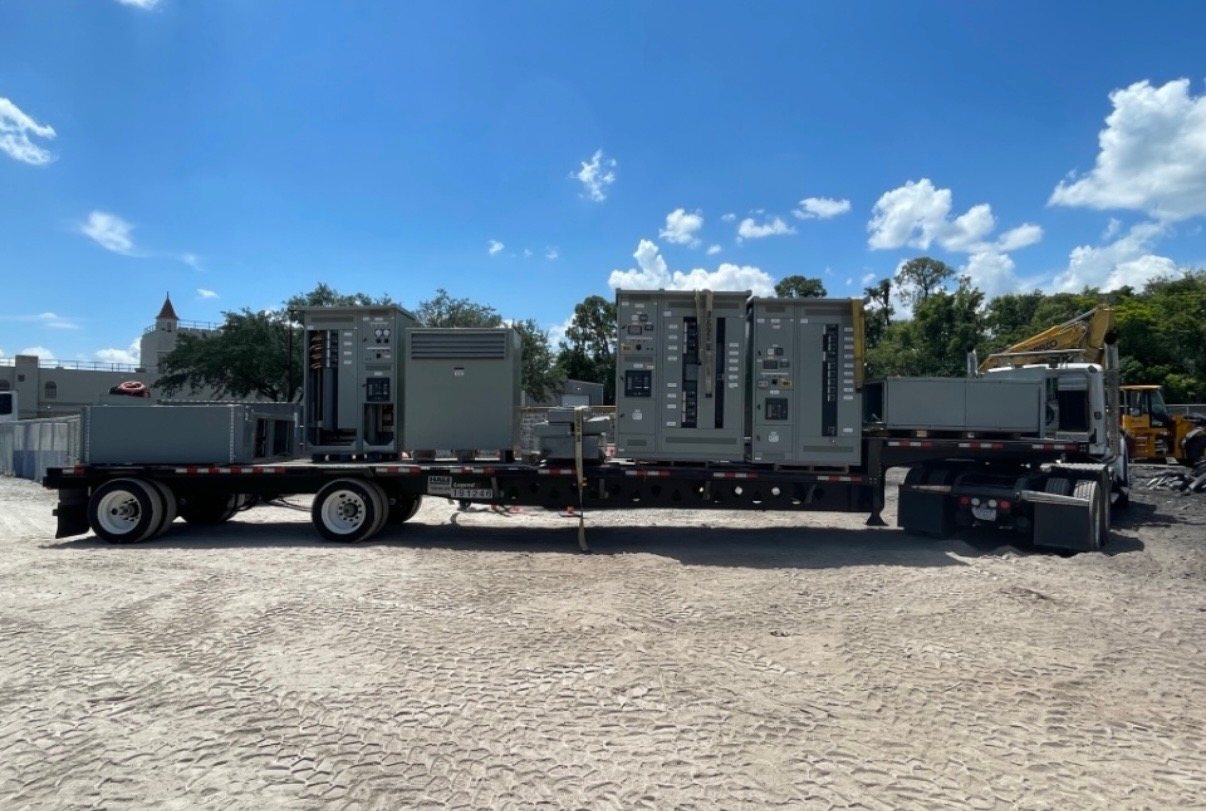
Define the factory-to-field boundary
Factory tests address the new assembly as manufactured and the checks applicable to its agreed configuration. The quotation and submittal review should identify the equipment included, project drawings and revision basis, specified standards, applicable inspection or test documentation, and any agreed witness or hold points. These records describe factory scope; they do not establish that the equipment has been installed correctly or is ready for energization at the site.
Field commissioning addresses the completed installation in its actual electrical and control environment. Before award, identify who owns receiving inspection, storage, installation, cable termination, grounding, control wiring, field testing, protection coordination, and authorization to energize. Where new retrofit components are included, define the boundary between the supplied component and existing equipment, including interface dimensions, connection details, and information the site team must confirm.
Make factory test documentation usable in the field
Ask for the documentation applicable to the quoted configuration, rather than assuming every test or record is included by default. Useful project records may include approved drawings, device and component schedules, inspection records, and applicable factory test documentation. Confirm document format, revision control, delivery timing, and whether proposed witness points affect the production schedule. Availability and scope are confirmed for each quotation and configuration.
The commissioning lead should review approved drawings against the equipment received and the latest project design before field work begins. Resolve discrepancies in device designations, control schematics, terminal references, interlocks, or settings documentation through the responsible engineering parties. Factory records support traceability to the manufactured scope, but site personnel must determine whether field conditions, completed connections, and project-specific acceptance requirements have been addressed.
Assign installation inspection responsibilities
The purchaser, installing contractor, and commissioning authority should agree who inspects the equipment after delivery and installation. Their plan can cover shipping condition, handling and storage records, enclosure and access clearances, mounting, grounding, conductor terminations, control wiring, and comparison with approved drawings. The responsible team should record findings and route deficiencies to the correct party before proceeding; factory inspection cannot verify work performed after shipment.
For retrofit work, explicitly assign verification of fit and compatibility with the existing assembly. Confirm the actual equipment identification, interface points, mechanical clearances, bus or cable connections, control-circuit dependencies, and any site modifications against approved engineering documents. Do not treat a component’s successful factory inspection as approval of the host equipment or of changes made in the field. Qualified personnel must perform installation and inspection under project procedures.
Coordinate protection settings and records
Protection settings are project-dependent and should be governed by the approved protection and coordination study, system data, and the designated engineer or authority. Establish who develops, reviews, approves, enters, and independently checks each setting, and identify the controlled source document and revision. The manufacturer can build to the specified equipment and document inputs in the agreed scope, but field settings and their approval must not be inferred from factory tests.
Before commissioning, reconcile relay or trip-device identification and configuration with the approved settings schedule and equipment drawings. Decide how setting files, device configuration records, parameter changes, and verification results will be controlled and retained. If the system study, device selection, or site conditions change, obtain direction from the responsible engineering authority before proceeding. Field testing and configuration work require qualified personnel using approved procedures.
Plan energization as a separate authorization
Energization is a site decision, not a factory release or a consequence of receiving test documentation. The project’s authorized personnel should define prerequisites, switching authority, required permits and clearances, communications, contingency steps, and the records needed to approve the transition. Identify who confirms readiness and who has authority to stop the process. These responsibilities belong in the project commissioning and safety plans, not in an assumption about the manufacturer’s scope.
Before the planned energization, the assigned team should confirm that installation inspections, required field tests, approved settings, and outstanding corrective actions have been addressed under the project’s acceptance criteria. The exact checks depend on the equipment, system, and governing procedures. Installation, testing, and energization must be performed by qualified personnel under approved procedures; this page does not provide live-work instructions or substitute for site engineering and safety controls.
Set scope, schedule, and acceptance criteria
A practical responsibility matrix can name the owner, engineer, contractor, commissioning authority, and manufacturer against each deliverable and decision. Separate equipment supply and agreed factory documentation from site labor, field testing, protection-study work, settings approval, startup support, and final acceptance. For each item, state the required input, responsible reviewer, due date, and record of completion. This makes exclusions visible before procurement and helps prevent field tasks from being mistaken for factory obligations.
Include commissioning interfaces in the request for pricing: equipment description, single-line and control drawings, applicable specifications, required new retrofit components, project standards, documentation needs, and anticipated review or witness requirements. Identify the project location in Texas or elsewhere for shipping coordination. Availability, engineering scope, lead time, component origin, and test documentation must be confirmed for each quotation; request the applicable listing and standards for the specific configuration.