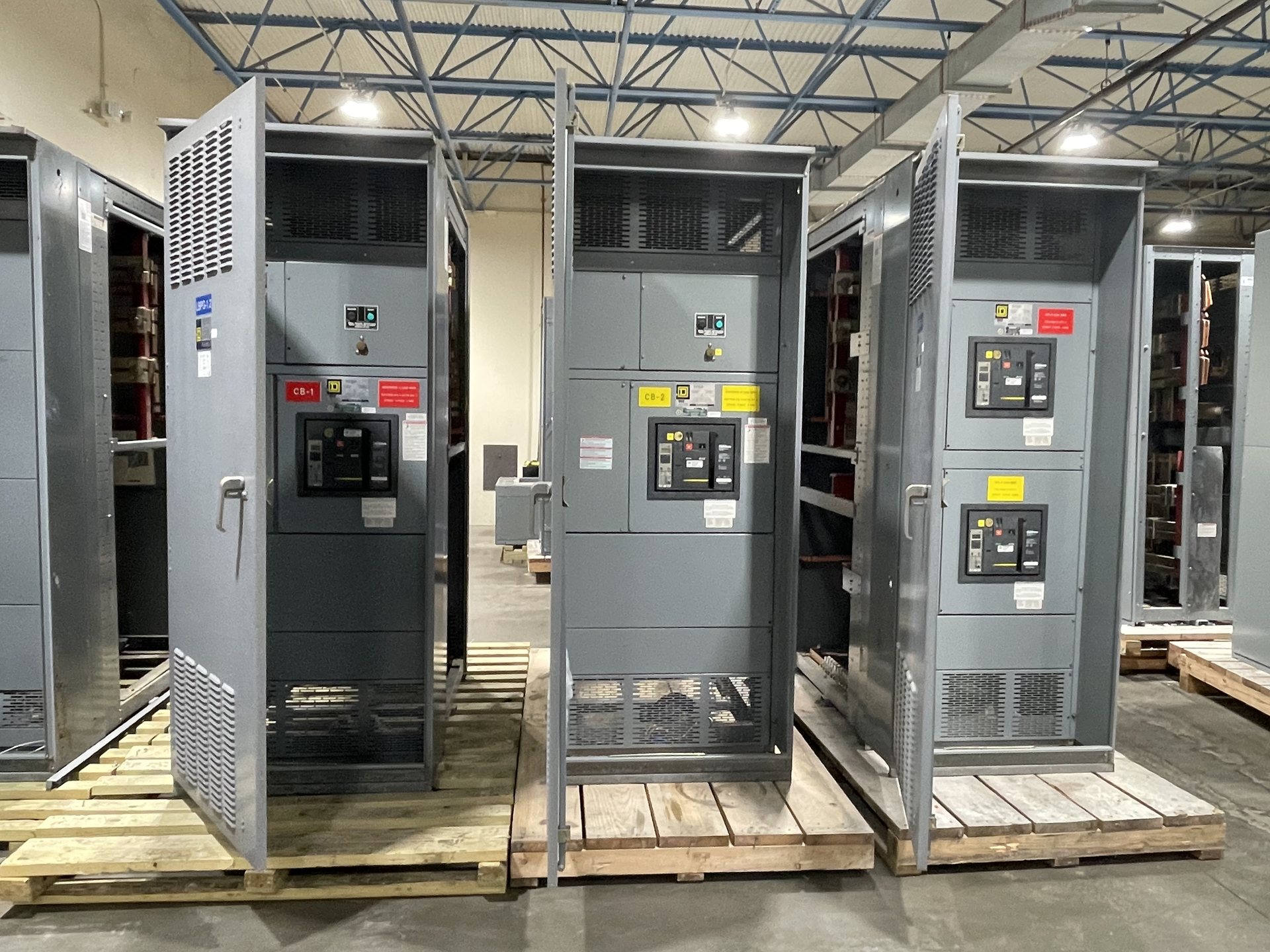
Document the complete installation environment
Start by identifying where the equipment will operate: indoors or outdoors, in a conditioned electrical room, an unconditioned building, a rooftop enclosure, or another setting. Provide the site elevation, expected temperature range, humidity conditions, ventilation or cooling approach, and known airborne or chemical exposures. For Texas facilities, distinguish a controlled interior space from equipment exposed to outdoor heat, wind-driven rain, dust, or nearby industrial processes.
Tell us whether the conditions are continuous, seasonal, or tied to specific operating events, and whether the installation environment could change during the equipment’s service life. Include available room drawings, equipment schedules, project specifications, and environmental notes. If values are unknown, identify that gap rather than substituting a generic assumption. Our manufacturer review can then determine which design details require confirmation before equipment configuration and pricing are finalized.
Account for altitude and cooling conditions
Elevation can affect heat dissipation and the performance basis used for electrical equipment. Provide the site altitude and clarify whether the installation is at grade, on an elevated structure, or in a location where elevation differs materially from the surrounding project area. The manufacturer should review the proposed application against the equipment configuration and the relevant ratings; the project team should not assume that a catalog value automatically applies without review.
Describe the room’s cooling and air movement, including whether ventilation is mechanical, how heat is removed, and whether equipment shares a space with other significant heat sources. If the room temperature may rise during peak demand or loss of cooling, include that operating case. These details help identify questions about component selection, thermal limits, spacing, or enclosure arrangements. Final design suitability and any applicable adjustments require project-specific engineering review.
Specify ambient temperature and operating range
A useful temperature specification states the expected minimum and maximum ambient conditions where the equipment is installed, not simply the outdoor forecast for the city. Record normal room conditions as well as credible extremes during startup, seasonal transitions, peak loading, or HVAC interruption. For outdoor equipment, explain the enclosure’s exposure to direct sun and whether shading or a dedicated conditioned space is part of the design.
Temperature affects the conditions under which components operate and shed heat, so the review should consider the assembled equipment and its intended duty together. Identify any temperature assumptions in the electrical drawings, project specification, or coordination documents, and flag conflicts between them. The quotation should confirm the configuration and applicable ratings for the stated conditions. Do not treat a requested current or voltage rating as confirmation that every environmental condition is accommodated.
Describe humidity, condensation, and water exposure
Humidity information is most useful when paired with the risk of condensation. Note whether the room is climate controlled, subject to large temperature swings, or exposed to damp air, washdown, roof leaks, or water entry. For outdoor installations, describe the enclosure location and exposure to rain, spray, irrigation, or standing water. A broad statement such as “humid environment” may not explain whether moisture forms on internal surfaces or reaches the equipment enclosure.
Explain what building systems or project measures are planned to control moisture, and whether those measures are available continuously or only during occupied operation. Include relevant enclosure and room requirements in the specification, then ask that the proposed configuration be reviewed against them. Any requested protective features, ratings, or material choices must be confirmed for the specific assembly; they should not be inferred from a general product description. Installation and commissioning remain work for qualified personnel following approved procedures.
Identify contamination and corrosive exposure
Describe airborne material by source and likely exposure: construction dust, process dust, fibers, salt-bearing air, vehicle exhaust, cleaning chemicals, or other contaminants. State whether the equipment is near a loading area, production line, chemical process, coastal influence, or ventilation intake. If the contaminant is known, provide its identity and the way it reaches the equipment. Avoid relying only on labels such as “dirty” or “industrial,” which do not tell the reviewer what materials or exposure patterns to consider.
Corrosive exposure deserves separate attention from ordinary dust because chemicals, salts, and moisture can interact with enclosure materials and component surfaces. Share known chemical names, concentrations or exposure descriptions where available, cleaning practices, and any maintenance constraints. The manufacturer can review requested materials and protective provisions for the stated application, subject to configuration and engineering review. Do not assume a coating, enclosure material, or component is suitable for an unidentified chemical environment.
Connect environmental conditions to the purchase scope
Make the environmental basis part of the procurement package. Identify the equipment location and service conditions on the request for pricing, and provide one consistent set of requirements across drawings, schedules, and specifications. Ask the quotation to identify the proposed configuration, assumptions, exceptions, and any conditions requiring resolution. Availability, engineering, component origin, lead time, and test documentation must be confirmed for each quotation rather than presumed from an environmental description or requested rating.
We supply new equipment and new retrofit components built to specification using American components; the customer should state the required component scope and any project-specific documentation needs. Component origin and documentation are confirmed for the quoted configuration, and no independent domestic-content certification is implied. Where a switchboard assembly is specified, UL 891 may apply to the switchboard standard, but listing and applicable standards must be verified for the actual configuration. Before release, resolve environmental assumptions with the engineer, contractor, and purchasing team.