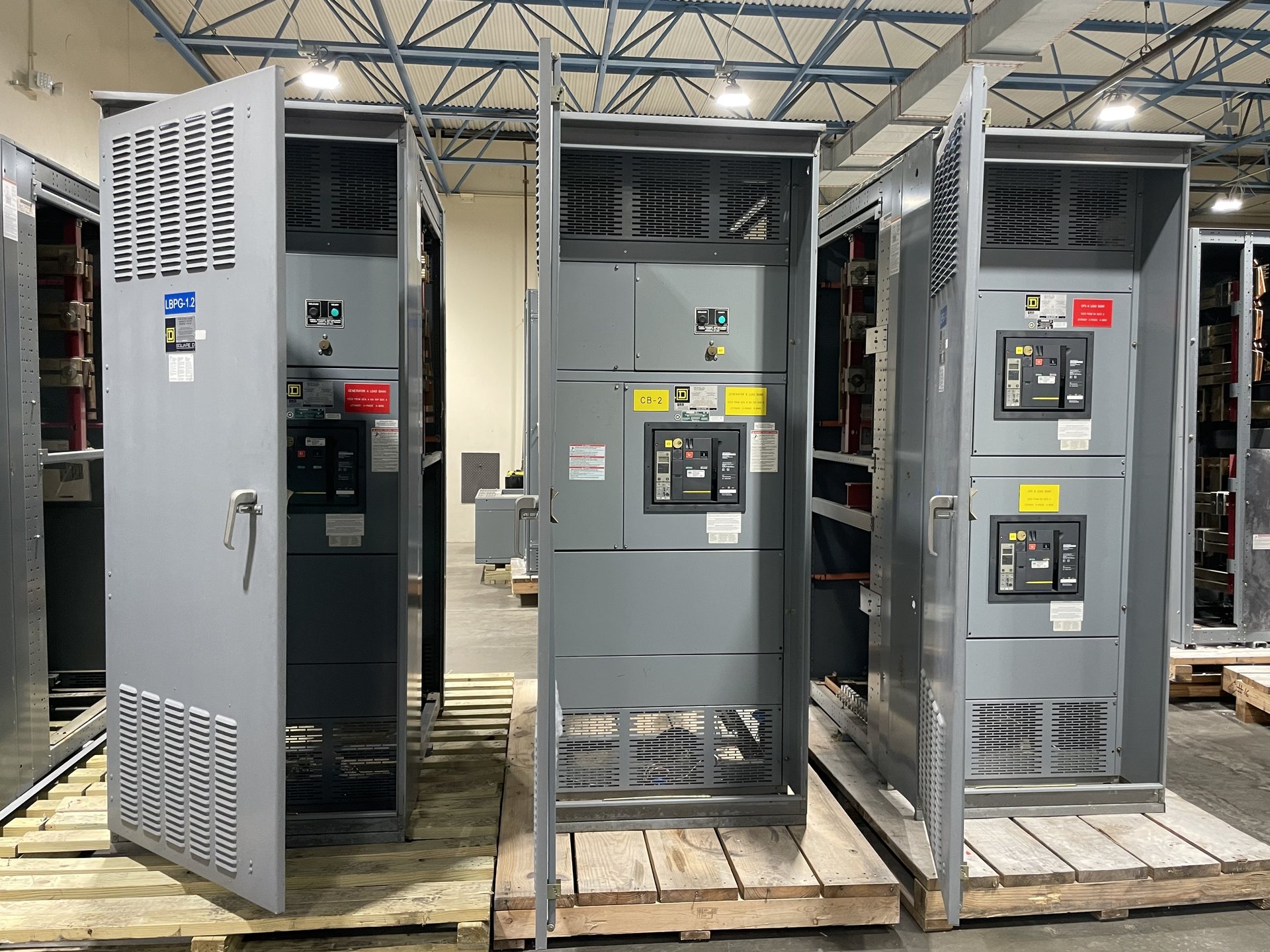
Define the Arc-Resistant Design Basis
Start by identifying the equipment lineup, electrical configuration, and operating conditions the arc-resistant design must address. Share the one-line diagram, system voltage, available fault-current information, protective-device details, and expected fault-clearing assumptions for review. These inputs help determine whether the requested configuration can be evaluated against an applicable arc-resistant test basis; a product description alone cannot establish performance for a particular project.
Clarify what the project means by arc-resistant performance and which standard or test documentation is required. Ask what configuration was tested, what limitations apply, and whether the proposed lineup, compartments, doors, covers, and accessories match that configuration. Testing evidence must be verified for the quoted design. Do not assume that a rating transfers to a modified assembly or that all switchgear standards establish arc-resistant performance.
Set the Accessibility Class Around People
Identify where qualified personnel may be standing during normal operation, inspection, switching, or other defined tasks. The specified accessibility class describes the personnel-access conditions covered by a test; it does not mean every side of the lineup is protected in every circumstance. Document which faces are accessible, whether doors are closed, and what operating position or activity the project expects the test basis to represent.
Provide a plan view showing lineup orientation, walls, doors, adjacent equipment, and routine operator locations. A room that places people beside the rear or end of equipment can differ materially from an arrangement with access limited to the front. Coordinate class selection with the facility’s operating procedures and room layout, then verify that the proposed equipment and installation conditions align with the documented class.
Coordinate Pressure Relief and Exhaust
An internal arcing event can create hot gases and pressure that need a designed route away from protected personnel locations. Establish whether the proposed arrangement uses a designated plenum, duct, or other tested exhaust path, and provide the room geometry needed to assess it. Ceiling height, available duct space, penetrations, and nearby occupied areas can affect whether the intended route is practical.
Ask for the exhaust-path requirements and restrictions associated with the specific tested configuration, including required clearances and the permitted termination arrangement. Do not treat a pressure-relief opening as an unrestricted vent or redirect an exhaust path without review. The manufacturer’s design information, project drawings, and installation plan should agree; changes to routing or surrounding construction may affect the applicability of the performance evidence.
Match the Lineup and Room to the Test
Arc-resistant performance depends on details across the complete lineup, not just the enclosure name. During quotation review, compare the requested sections, bus arrangement, compartment layout, cable entry, barriers, and accessories with the documented test configuration. Identify any nonstandard section or interface early, including connections to existing equipment, because those details may require engineering review before suitability can be confirmed.
Share equipment-room plans, elevations, foundation information, cable and conduit entry locations, and neighboring construction. Confirm the space needed for doors, maintenance access, and the intended exhaust route. Where a lineup is part of a larger installation, coordinate transitions and interfaces so field changes do not undermine the configuration under review. Final applicability depends on the approved equipment arrangement and installation conditions.
Scope New Equipment and Retrofit Components
We supply new arc-resistant switchgear built to project specification, subject to engineering review and confirmation of the requested configuration. For a new lineup, provide electrical drawings, control requirements, physical constraints, and the required test documentation. Include the accessibility class and personnel locations in the inquiry rather than leaving them to be inferred from a general request for arc-resistant equipment.
For an existing installation, we supply new retrofit components only, subject to compatibility review. Provide the existing manufacturer and model information when available, lineup drawings, nameplate details, compartment dimensions, and photographs for identification. A component’s fit does not by itself establish arc-resistant performance for the complete assembly. Confirm the scope of any claimed performance and the supporting documentation before ordering.
Verify Documents, Standards, and Project Scope
Request the documents needed to review the offered configuration, such as applicable drawings, equipment data, installation requirements, and available test documentation. Confirm which standards apply to the equipment type and which evidence addresses arc-resistant performance specifically. UL 891 applies to switchboard assemblies; it is not a blanket listing for all switchgear. Listing status and applicable standards must be verified for the actual configuration and should not be assumed from a general product category.
For a complete pricing request, provide the one-line diagram, system data, site layout, accessibility-class requirement, exhaust-routing constraints, delivery destination, and requested submittal requirements. Component origin, engineering scope, documentation, and lead time are confirmed for each quotation. Customers may specify American components, but origin and any domestic-content requirements must be reviewed for the quoted bill of materials; no blanket compliance determination should be inferred.