Start with the exact substitution and its use
A useful substitution review begins with two precise descriptions: the specified component and the proposed new alternate. Identify the equipment where it will be installed, its position in the assembly, the function it performs, and whether the scope is a new assembly or a retrofit. A part number alone may not reveal important differences in configuration, accessories, or operating role.
Provide the one-line diagram, relevant schematic, equipment schedule, and available nameplate or original manufacturer information. Explain the project conditions that matter, such as the intended system voltage, available fault current, load duty, enclosure arrangement, and control sequence. If a drawing or schedule is preliminary, identify it as such; an alternate should not be approved against requirements that are still changing.
Compare electrical ratings and protective function
Evaluate each electrical characteristic that applies to the component, rather than relying on a general statement that it is equivalent. Depending on the application, compare voltage, continuous current, interrupting or withstand capability, frequency, pole arrangement, trip characteristics, and coordination requirements. Confirm that the proposed device is appropriate for the assembly and system conditions, not merely that one headline rating matches.
For protective devices, ask how the alternate affects the specified protection function and any coordination study or settings basis. For switching components, check the required duty and operating arrangement. The design engineer should resolve discrepancies in ratings, protection, or system assumptions before release. Availability and the final configuration are confirmed during quotation review; a substitution review is not a substitute for project-specific engineering approval.
Check physical fit and connection details
Electrical compatibility does not establish that a component will fit. Compare overall dimensions, mounting pattern, rail or bracket arrangement, terminal location, conductor entry, access clearances, and orientation with the actual equipment drawings. For a retrofit, establish whether the existing enclosure and internal supports can accept the new component without changing spacing, barriers, or service access.
Review connection requirements in detail: conductor size and termination range, lug or bus interface, phase arrangement, and any restrictions on conductor bending or access. Ask whether the proposed alternate requires adapters, revised supports, or drawing changes, and who is responsible for engineering those changes. Do not assume that a similar product family or frame size means direct interchangeability. Installation and modification must be performed by qualified personnel under approved procedures.
Verify controls, signals, and operating sequence
A replacement can have suitable power ratings yet fail to work with the existing control scheme. Compare control voltage, coil or operator requirements, auxiliary contacts, terminal assignments, interlocks, indication, and any communications interface. Confirm the required normal and failure states, including how the device responds to loss of control power, where those behaviors are part of the design.
Provide current control schematics, I/O lists, sequence descriptions, and interface requirements when requesting review. Ask whether the alternate changes wiring, terminal numbering, logic, or the signals expected by other equipment. For retrofit components, identify the controls that will remain in service and any field interfaces that may be affected. Approve control changes through the project’s designated engineering authority before procurement or installation.
Review listing conditions and applicable standards
A component’s certification or listing must be considered in the context of how it is used and how the completed assembly is evaluated. Confirm the applicable standards, the exact equipment configuration, and any conditions of use, installation limitations, or required accessories stated in the component documentation. A product’s approval in one application does not establish that it is acceptable in every assembly or retrofit arrangement.
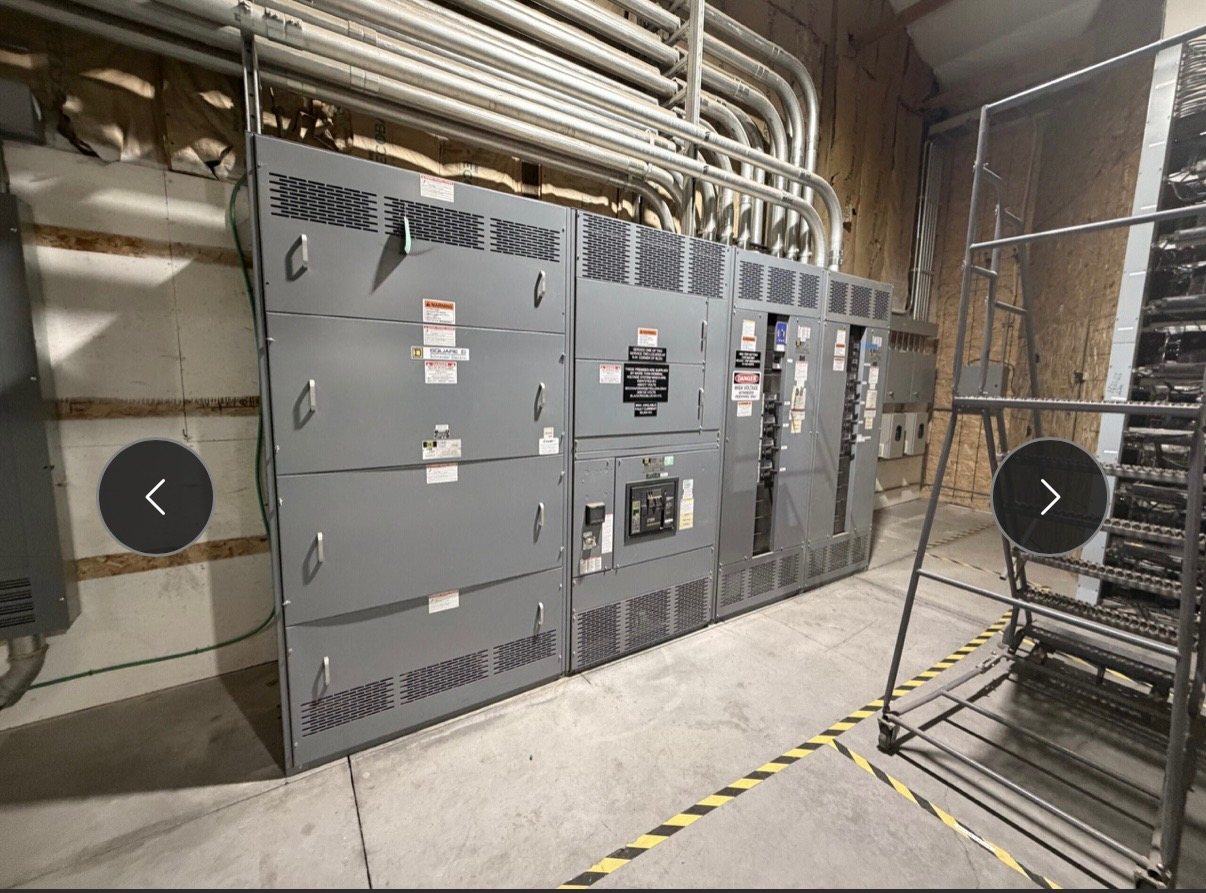
For switchboard work, UL 891 is a switchboard standard; it is not a blanket listing for all switchgear or for every component substitution. Ask what listing information and supporting documentation apply to the proposed configuration, and verify requirements with the project engineer and relevant authority. Listing status and standards applicability must be confirmed for the specific assembly; do not infer an assembly label or approval from a component description alone.
Document the decision before ordering
Make the review traceable by recording the specified item, proposed alternate, comparison basis, open questions, and final disposition. Attach current product data, outline drawings, wiring information, and any engineering calculations or revised project documents needed to support the decision. Mark deviations clearly rather than describing the alternate only as equal, compatible, or equivalent.
Identify who has authority to accept the substitution and whether approval is required from the engineer of record, owner, contractor, or another project party. Resolve exceptions in writing before a purchase order is released. The approved selection should match the final quotation and the documents used for manufacture; later changes can affect design coordination, component availability, schedule, and documentation.
Request a manufacturer review with complete project inputs
When requesting pricing, send the equipment scope, specified and proposed part information, project drawings, applicable ratings, control requirements, and any required standards or documentation. State whether the request concerns a new assembly or a new retrofit component. Include the requested quantity, delivery destination, and project milestones so the quotation can identify items that still require confirmation rather than treating assumptions as settled facts.
We build new equipment to specification using American components as requested, subject to project review; component origin, availability, engineering, lead time, and test documentation must be confirmed for each quotation. We do not represent a substitution as approved merely because it can be quoted. Installation, servicing, testing, and energization require qualified personnel following approved procedures. Clear inputs help the project team make a defensible decision before procurement.