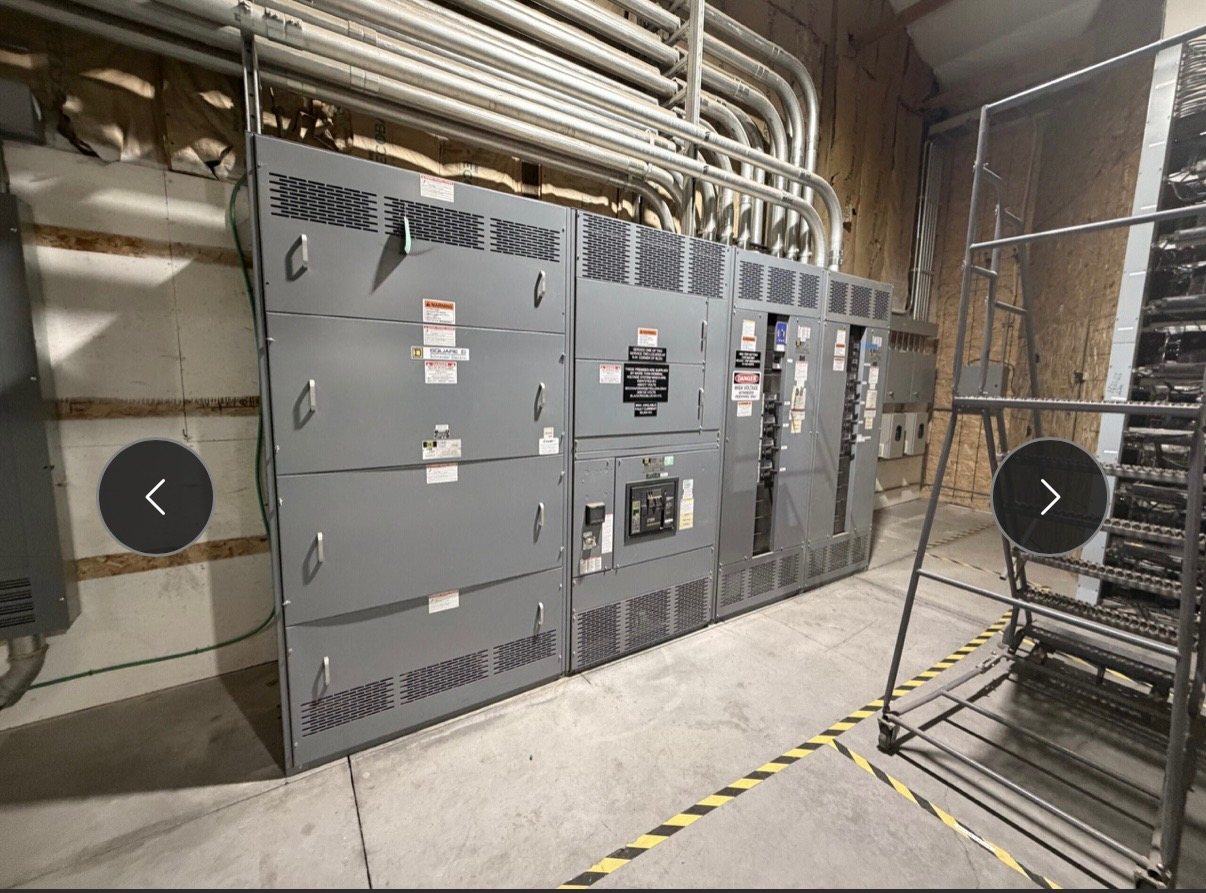
Define the status points and alarms
Begin with the operating questions the remote system must answer. Typical scope discussions may include breaker open or closed indication, trip indication, spring charged status, control-power availability, and selected alarm contacts. The available points depend on the specified devices and assembly configuration; they should not be assumed from a generic switchgear description. Identify which indications are required for routine awareness and which must trigger an operator response.
For each point, document its source device, normal state, contact behavior, destination, and intended meaning. Clarify whether a signal reports an equipment condition, a protective operation, or a supervisory alarm. Ask whether the receiving system expects maintained or momentary indication and how it handles loss of signal or control power. These definitions help prevent ambiguous alarms and make the communications scope reviewable before equipment is quoted.
Choose a gateway and interface boundary
A gateway can translate between switchgear device communications and a plant, building, or utility monitoring system, but its role needs to be specified. Identify the protocols required at each side, the devices expected to communicate, and whether hardwired contacts, a network connection, or both are needed. Confirm who provides network addressing, configuration files, licenses, and any external switches or servers; these items may sit outside the switchgear assembly supplier’s scope.
The gateway selection also affects enclosure space, auxiliary power, wiring, and access for maintenance. Provide the intended mounting location and any environmental or service constraints for review. State whether the equipment must operate independently if the gateway or communications network is unavailable. Remote monitoring should not be used to imply that protection functions depend on a gateway unless that design is explicitly engineered and accepted by the responsible project professionals.
Build a communications map before release
A communications map gives the project team a shared view of how information moves. Show each breaker or device, its status points, communications port or contact interface, gateway, network segment, and final monitoring destination. Label ownership at each connection, including field wiring and customer network connections. For a multi-section assembly, identify section boundaries and device names consistently with the one-line diagram and control drawings.
Use the map to flag unresolved choices before submittals: protocol versions, point naming, data direction, time synchronization, alarm priority, and required event or status data. Distinguish signals supplied at the assembly terminals from data configured in customer software. A clear map can reduce commissioning ambiguity, but it does not replace approved design documents, network engineering, or the site-specific integration plan prepared by the responsible parties.
Assign cybersecurity responsibilities
Remote access introduces responsibilities beyond selecting a communication protocol. The project should identify who owns network segmentation, firewall rules, credentials, remote-access approval, software updates, backups, and incident response. Specify whether the equipment is to have any external connectivity at all, and define permitted communication paths rather than assuming that a gateway should connect to a wider network by default.
Switchgear Builders Texas can review the specified equipment interfaces and document the configuration included in the assembly quotation. The customer, controls integrator, and network or cybersecurity team must establish and approve the broader security architecture and operating policies. Do not send sensitive credentials as ordinary submittal information. Any required security features, restrictions, or documentation should be stated early and confirmed for the particular devices and configuration.
Confirm drawings, points, and acceptance records
Request drawings that make the interface inspectable: control schematics, terminal plans, device schedules, point lists, and the communications map where applicable. Identify required naming conventions, terminal designations, signal descriptions, and cross-references to the project’s control narrative. If the owner has an existing point database or approved drawing standard, provide it for coordination before design release rather than relying on assumptions during field integration.
Acceptance expectations should distinguish the assembly supplier’s deliverables from site integration. Clarify whether the quotation includes document submittals, configuration records, or specified factory checks, and confirm their availability for the quoted scope. Site network connectivity, end-to-end alarm display, historian setup, and operator training may require other project participants. Testing, installation, and energization must be performed by qualified personnel under approved procedures.
Scope new equipment and retrofit components
For a new assembly, describe the switchboard or switchgear configuration, monitoring objectives, required interfaces, and project documents so the communications provisions can be reviewed with the equipment design. For an existing installation, identify the equipment and device models, available control drawings, physical constraints, and intended retrofit points. This manufacturer-only offering covers new equipment and new retrofit components.
A retrofit review must establish compatibility rather than assume that a new component will fit or communicate with existing apparatus. Provide nameplate and device information, wiring documentation, and the owner’s required signals when available. The quotation can then identify what is included, what remains by others, and what information is still needed. Component origin, engineering, availability, lead time, applicable standards, listing, and documentation are confirmed for each quoted configuration.