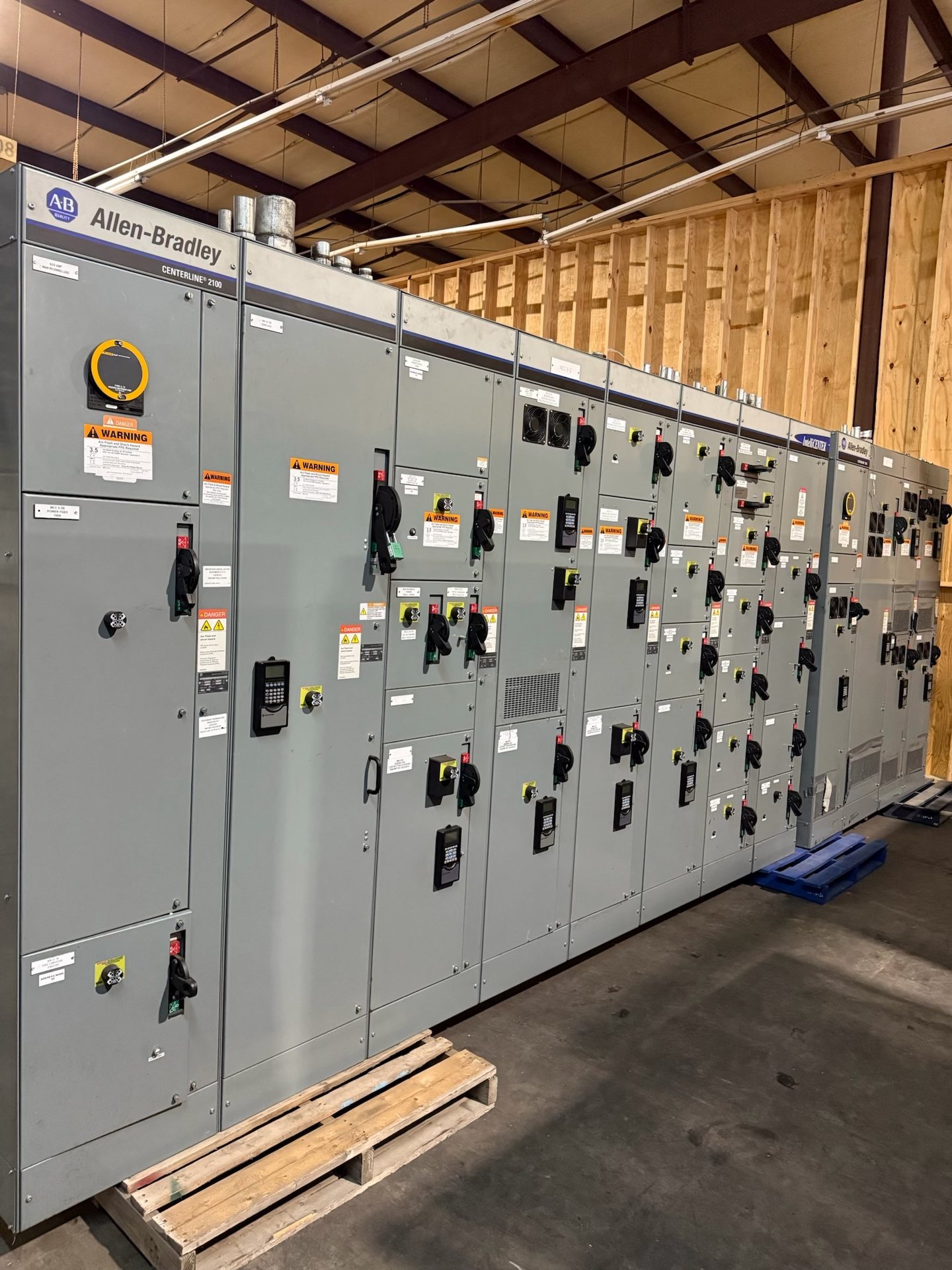
Start a Project or Request Pricing
For a project inquiry, share what equipment you need, where it will be installed, and the stage the project has reached. Helpful starting details include the application, whether the work is new construction or a replacement, the requested equipment type, and any schedule milestones that affect coordination. If you have a specification or one-line diagram, identify the current revision so the team can review the same basis you are using.
Pricing depends on the defined configuration and project requirements, so include the information available rather than relying on a generic equipment description. Note the required delivery destination, requested component preferences, and any required submittal or approval dates. The manufacturer can review the scope and identify open questions before preparing a quotation; do not assume a particular configuration, component origin, or delivery date until it is confirmed for your project.
Prepare Technical Questions for Review
For technical inquiries, describe the system and the decision you need help resolving. Relevant information may include system voltage, current requirements, fault-duty data, incoming and outgoing arrangements, enclosure conditions, and the connected loads. These are project design parameters, not assurances that a specific rating or configuration is available. Providing the applicable drawings, specifications, and design criteria helps frame a useful review.
State whether you need a design clarification, a configuration discussion, or confirmation of a requirement in your project documents. Identify conflicts or unanswered items rather than silently choosing between them. Engineering review can establish what information is needed to evaluate the request, but final equipment selection and coordination remain subject to the project documents, applicable requirements, and configuration review. Installation, servicing, testing, and energization require qualified personnel following approved procedures.
Ask About New Retrofit Components
Inquiries about retrofit work must concern new components. Describe the existing equipment manufacturer and model, the function of the component to be replaced, and any available nameplate details or drawings. Include clear photos or dimensional information when permitted and useful for identification. Explain whether the request is for a replacement component, a defined modification, or a broader equipment scope so the team can determine what needs to be reviewed.
Compatibility cannot be established from a general description alone. Share interface dimensions, connection details, control requirements, and relevant project constraints when available, and identify which information has been verified in the field. Existing equipment condition and configuration may affect the review. Do not treat a preliminary discussion as authorization to modify energized equipment; field work and any inspection or testing must be planned and performed by qualified personnel under approved procedures.
Clarify Standards and Documentation
If a project calls for a particular standard, listing, or documentation package, cite the exact specification language and identify the equipment configuration it applies to. UL 891 is a standard for switchboards; it is not a blanket statement covering every switchgear type or assembly. Listing and applicable standards should be verified for the proposed configuration. A request for a standard or label does not establish that a specific assembly has been listed.
Identify the documents needed at each stage, such as drawings for review, submittals, component information, or test documentation. Requirements vary by project and must be confirmed for the quotation and configuration. If the specification calls for American components or domestic-content provisions, provide the precise clause and scope. Component origin and supporting documentation require project-specific confirmation; no blanket certification or compliance conclusion should be inferred from a general inquiry.
Plan Schedule and Delivery Carefully
To support schedule review, provide the date equipment is needed at the project site, the decision or approval milestones, and any site access or receiving constraints. Distinguish a requested date from a contractual requirement, and note dependencies such as approved drawings or coordinated construction phases. Lead time is subject to project review and confirmation; a contact inquiry alone does not reserve production capacity or establish a delivery commitment.
Share the delivery destination and the party responsible for receiving the equipment so logistics can be considered with the scope. Mention restrictions on delivery windows, unloading, packaging, or site coordination that could affect planning. Shipping is available nationwide, including to Texas destinations, but routing and timing depend on the quotation and confirmed project details. Verify schedule assumptions in the written project documentation before coordinating installation or downstream work.
Send a Clear, Complete Inquiry
A concise inquiry can still be technically useful when it separates confirmed facts from assumptions. Include your role and organization, project name or reference, preferred response method, equipment scope, and the main question you need answered. Attach only relevant, current files, label revisions, and indicate whether drawings are for information, quotation, or review. Avoid sending sensitive information unless the contact method is appropriate for it.
If you do not yet have complete design data, say what is outstanding and who is expected to provide it. The team can then identify the information needed to continue reviewing a request without implying that an incomplete scope is ready for manufacture. Keep follow-up questions tied to the same project reference and note any revised requirements. This helps maintain a clear record as equipment, documentation, and schedule details are confirmed.