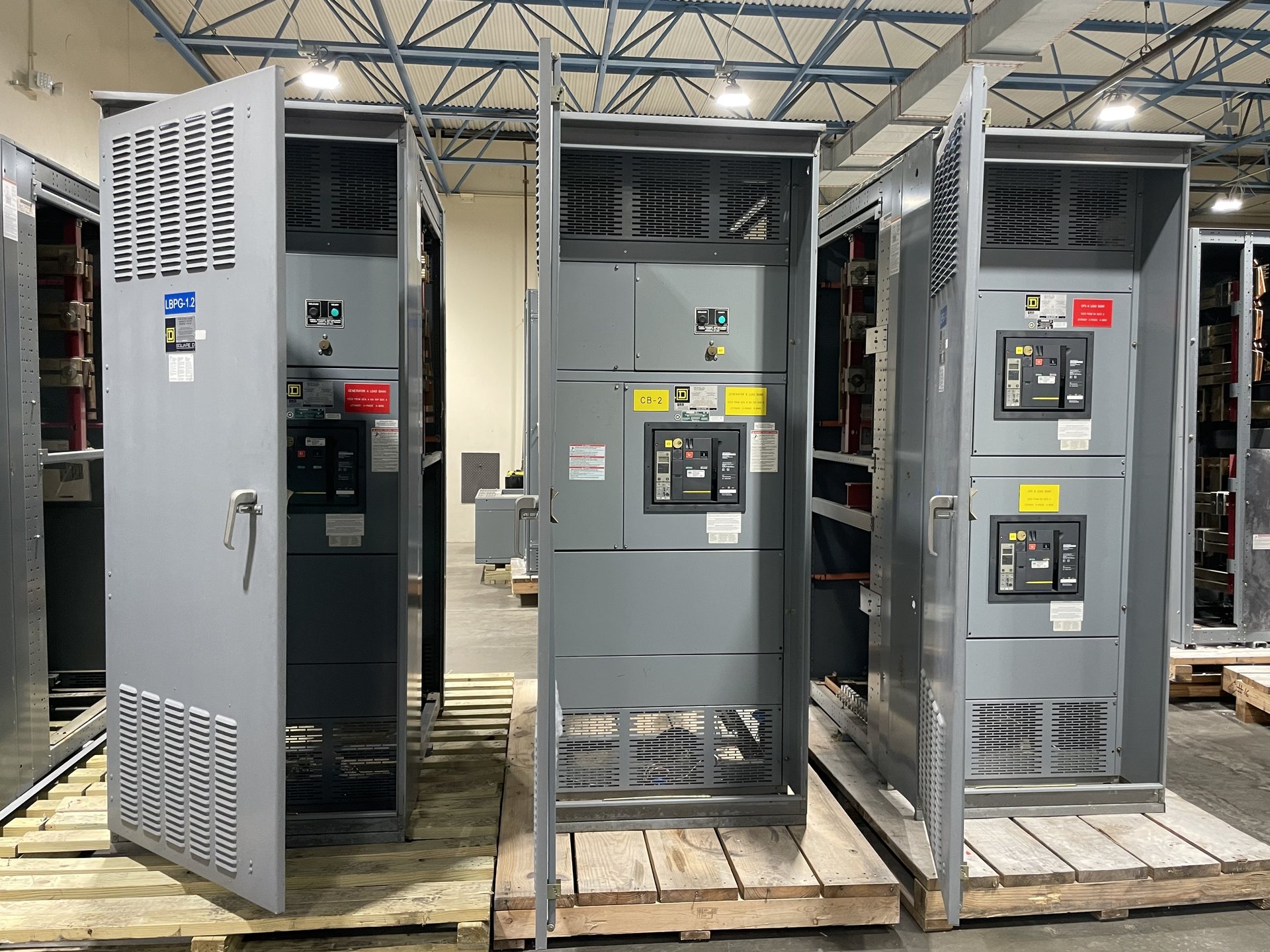
A documented approach to quality and safety
A sound quality and safety approach begins before equipment is built. The project record should make the intended application, electrical characteristics, environmental conditions, interfaces, and operating requirements clear enough for review. Missing or conflicting information can affect equipment selection, enclosure details, protective functions, and coordination with connected systems. We use project-specific review to clarify scope rather than treating a general product description as a substitute for approved requirements.
Documentation also helps different project participants work from the same basis. Engineers, contractors, owners, and purchasing teams should know which drawings and specifications govern, what remains to be confirmed, and how revisions are handled. The quotation should identify the proposed scope and any stated assumptions or exclusions. Inspection and test documentation, where applicable, should be discussed during quotation review; its availability and extent depend on the configuration and must be confirmed.
Reviewing requirements before equipment is specified
Provide the one-line diagram, equipment schedule, applicable project specifications, and relevant interface drawings when requesting a review. Include the system voltage, continuous current needs, short-circuit information, incoming and outgoing arrangements, and intended installation environment where those values are established by the project engineer. Clarify whether the equipment is a new assembly or a new retrofit component, and explain what existing gear it must interface with. These details help expose gaps before a design is finalized.
Some requirements need explicit resolution rather than assumption. Confirm available space, cable entry and termination constraints, access for operation and maintenance, metering and control needs, and any required coordination with upstream or downstream equipment. Identify the authority having jurisdiction and project-specific standards, if known. The responsible design professional should determine electrical ratings and protection requirements; manufacturer review supports equipment scope but does not replace the engineer’s system design or the owner’s approval.
Inspection and records tied to the quoted scope
Inspection has value when it is connected to defined acceptance criteria. Before an order is placed, purchasing teams can ask what inspections are included, which design or production records may be provided, and whether any customer witness or review points are required. Ask that agreed documentation be identified in the quotation or order documents. Do not assume that a particular test, report, or inspection method is standard across configurations; confirm what applies to the equipment being quoted.
For switchboard assemblies, UL 891 is a relevant standard, but it is not a blanket listing for every form of switchgear or every retrofit component. The applicable standards and any listing status must be verified for the actual configuration. Drawings, nameplate details, component information, and inspection records should be checked against the approved submittal and purchase scope. Any discrepancy should be resolved through the project’s documented review process before installation or acceptance.
Electrical safety starts with clear operating boundaries
Equipment design and documentation can support safe use by making interfaces, controls, protective functions, and operating limitations understandable to qualified users. During scope review, identify required labels, interlocks, metering, control circuits, and coordination with external protective devices. Confirm which features are included and which are supplied or configured by others. A safety-related requirement should be stated directly in the project documents instead of inferred from a general equipment description.
No equipment description makes energized work safe by itself. Installation, servicing, testing, and energization must be performed by qualified personnel under approved procedures, applicable regulations, and the site’s safety program. Project teams should assign responsibility for reviewing drawings, verifying the installed configuration, and authorizing any electrical work. Manufacturer documentation can inform that work, but it does not replace site-specific hazard assessment, required protective measures, or the authority of the responsible employer.
New equipment and retrofit interface control
We supply new equipment and new retrofit components. For a retrofit request, document the existing equipment’s manufacturer and identifying information when available, along with clear dimensions, connection details, control requirements, and photographs or drawings that show the relevant interfaces. Explain which existing parts will remain in service and what the proposed new component must connect to. This information supports a feasibility review; compatibility should not be assumed from appearance alone.
A retrofit can affect clearances, conductor connections, protection, operating access, and the performance of the larger assembly. The project engineer and equipment owner should determine how the proposed component will be incorporated and what evaluation is required for the completed installation. Record any field measurements and deviations from original drawings, and identify who approves them. Availability, engineering scope, component origin, and documentation are quotation-specific, so confirm each item before purchase rather than relying on a generic statement.
Qualified review through installation and acceptance
Responsibility for electrical safety is shared across the project, but it should not be ambiguous. The engineer establishes system requirements and approves design decisions; the manufacturer reviews the equipment scope; the contractor plans installation; and the owner coordinates operating and acceptance requirements. Purchasing staff can help maintain that chain by circulating approved specifications, documenting clarifications, and ensuring that revisions reach everyone relying on the equipment information.
Before release for installation, compare the approved submittal, delivered equipment identification, and project requirements, then route discrepancies to the responsible parties. Acceptance criteria, commissioning responsibilities, and any required records should be agreed upon before delivery. Qualified personnel must follow approved procedures for testing and energization, with all required site controls in place. We serve Texas projects from the United States and ship nationwide; project logistics and timing are confirmed with each quotation.