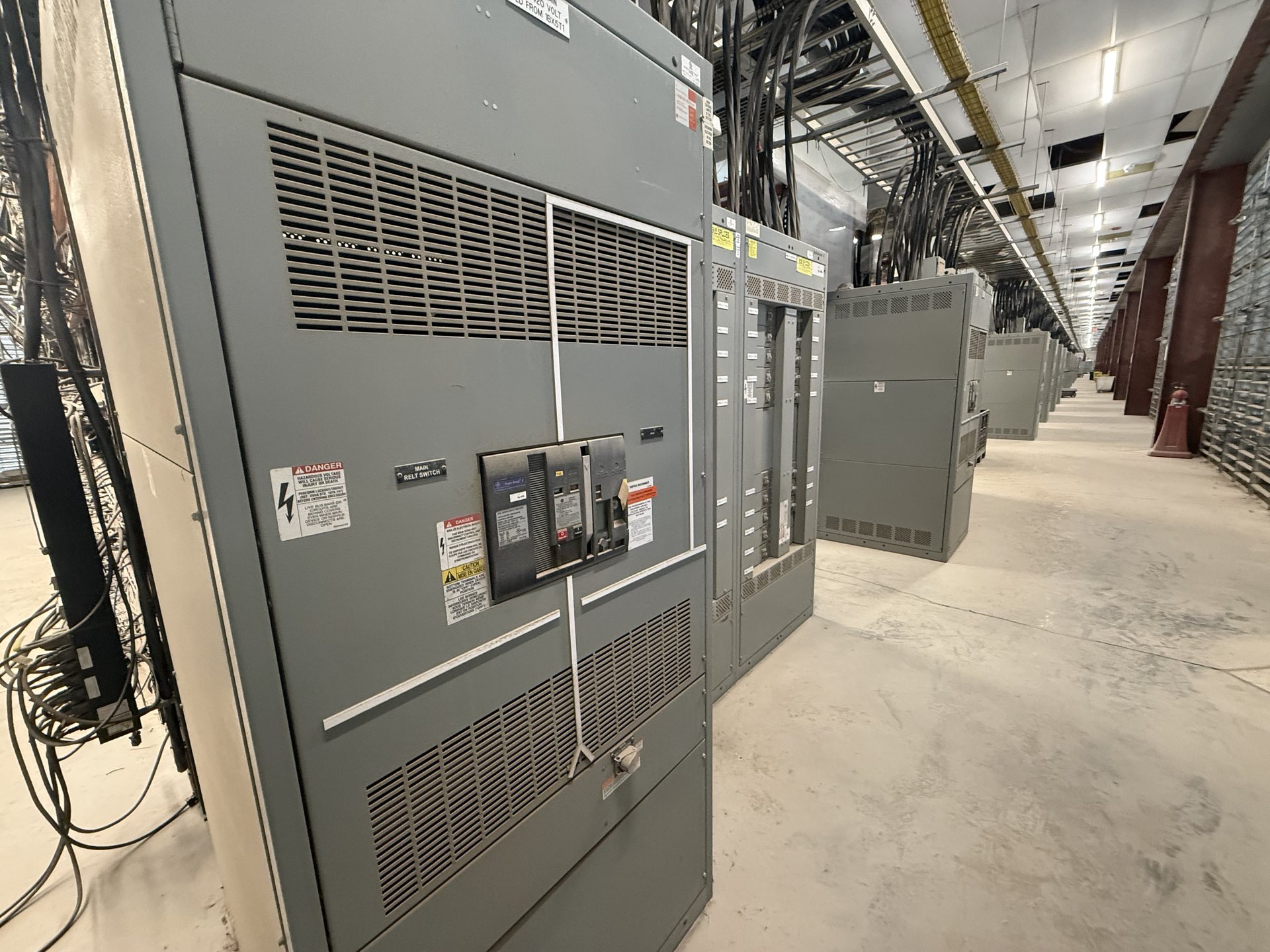
Factory tests establish what was built before shipment
Factory checks take place during production or before new equipment leaves the manufacturing process. Their purpose is to compare the completed assembly with its approved drawings, bill of materials, and specified ratings and features. Depending on the design and agreed scope, checks may include workmanship and dimensional review, verification of installed components and connections, and electrical or functional checks appropriate to the assembly. The quotation and submittal documents should identify what is included and what records will be provided.
A factory result describes the tested equipment under the conditions and configuration used for that check. It does not establish that the assembly has been installed correctly, connected to the intended system, or configured with final site protection settings. Ask which tests are routine production checks, which are project-specific acceptance checks, what acceptance criteria apply, and whether the customer or engineer may witness any agreed checks. Confirm those details before approving the submittal.
Field verification addresses installation and site conditions
Field checks begin after delivery and installation, when qualified personnel can verify the equipment as connected in its intended location. The scope may include checking equipment identification against the approved documents, confirming mounting and clearances, reviewing grounding and conductor terminations, and inspecting control wiring and accessories. The responsible contractor and project team determine the appropriate checks under approved procedures, site requirements, and applicable codes and standards.
These checks address conditions that cannot be established solely by a production test: whether the delivered assembly matches the approved configuration, whether site connections are complete, and whether interfaces with upstream or downstream equipment are correct. If a field observation conflicts with a drawing or factory record, resolve the discrepancy through the responsible engineer and manufacturer before operation. Field work must be performed by qualified personnel; installation and verification should never rely on assumptions drawn from a factory test report alone.
Acceptance testing should be defined before purchase
The phrase “acceptance testing” can refer to different activities across projects. Some checks occur at the factory before shipment; others occur at the site after installation. The purchase specification should state where each required check takes place, who performs it, what constitutes acceptance, and which party provides test instruments, procedures, witness access, and documentation. Naming a test without defining its scope or criteria can leave the contractor, engineer, and manufacturer with different expectations.
For a new switchboard assembly, identify the specified configuration and applicable standards, and ask which inspection or test records are available for that build. UL 891 is a standard for switchboards, not a blanket listing for every switchgear type or configuration. Listing and applicable standards must be verified for the actual assembly. Do not assume a general reference to UL 891 establishes a listing or label for a particular unit; request confirmation in the project documentation.
Protection settings depend on the approved system design
Protection-setting work is distinct from checking that protective devices are physically present or operate as expected during a defined factory check. Settings must reflect the project’s coordinated system design, available fault information, equipment characteristics, and approved study or engineering direction. Establish who supplies the final settings, who enters and independently verifies them, and how revisions are controlled. The manufacturer can build to specified requirements, but project-specific settings and responsibilities should be resolved with the engineer of record and qualified commissioning team.
At the site, the responsible team should compare device settings with the approved documents and verify the intended configuration using suitable procedures and equipment. Record device identifiers, setting values, revisions, and any approved deviations in the commissioning record. A factory record cannot confirm that field-entered settings match the final study, and a correct setting alone does not demonstrate that the complete protection scheme is ready for service. Testing and adjustment require qualified personnel following approved procedures.
Commissioning verifies coordinated operation on site
Commissioning brings together installation checks, control and interlock verification, protection settings, operating sequences, and coordination with connected systems. The commissioning plan should identify prerequisites, responsible parties, test boundaries, required outage or isolation conditions, acceptance criteria, and the records needed for turnover. The exact scope varies with the equipment and project design; it should not be inferred from a product category or from the fact that an assembly passed a factory check.
Factory functional checks may show that specified mechanisms, controls, or accessories respond under the test conditions used in production. Site commissioning asks whether the installed equipment works as intended with actual field wiring, control power, external devices, and system interfaces. Before energization, the project team should close open deficiencies, verify approved settings and drawings, and document authorization under site procedures. Energization and commissioning are responsibilities for qualified personnel, not activities established by a shipment test report.
New retrofit components need clear scope boundaries
A retrofit project can include new components intended to interface with existing equipment. For a new retrofit component, define the existing equipment model and configuration, physical and electrical interfaces, control connections, and the documents available for design review. Factory checks can examine the new component and its specified functions, but they cannot by themselves verify fit, wiring, clearances, or compatibility in the installed existing assembly. Those matters require project-specific engineering and site verification.
Before requesting pricing, provide drawings, nameplate information, relevant control and protection details, the intended application, and the required factory and site documentation. State whether the scope is new equipment or new retrofit components and identify any work by others. Availability, engineering, component origin, test documentation, and lead time are confirmed for each quotation. Customers may specify American components; any domestic-content or procurement compliance requirements must be explicitly reviewed rather than assumed.