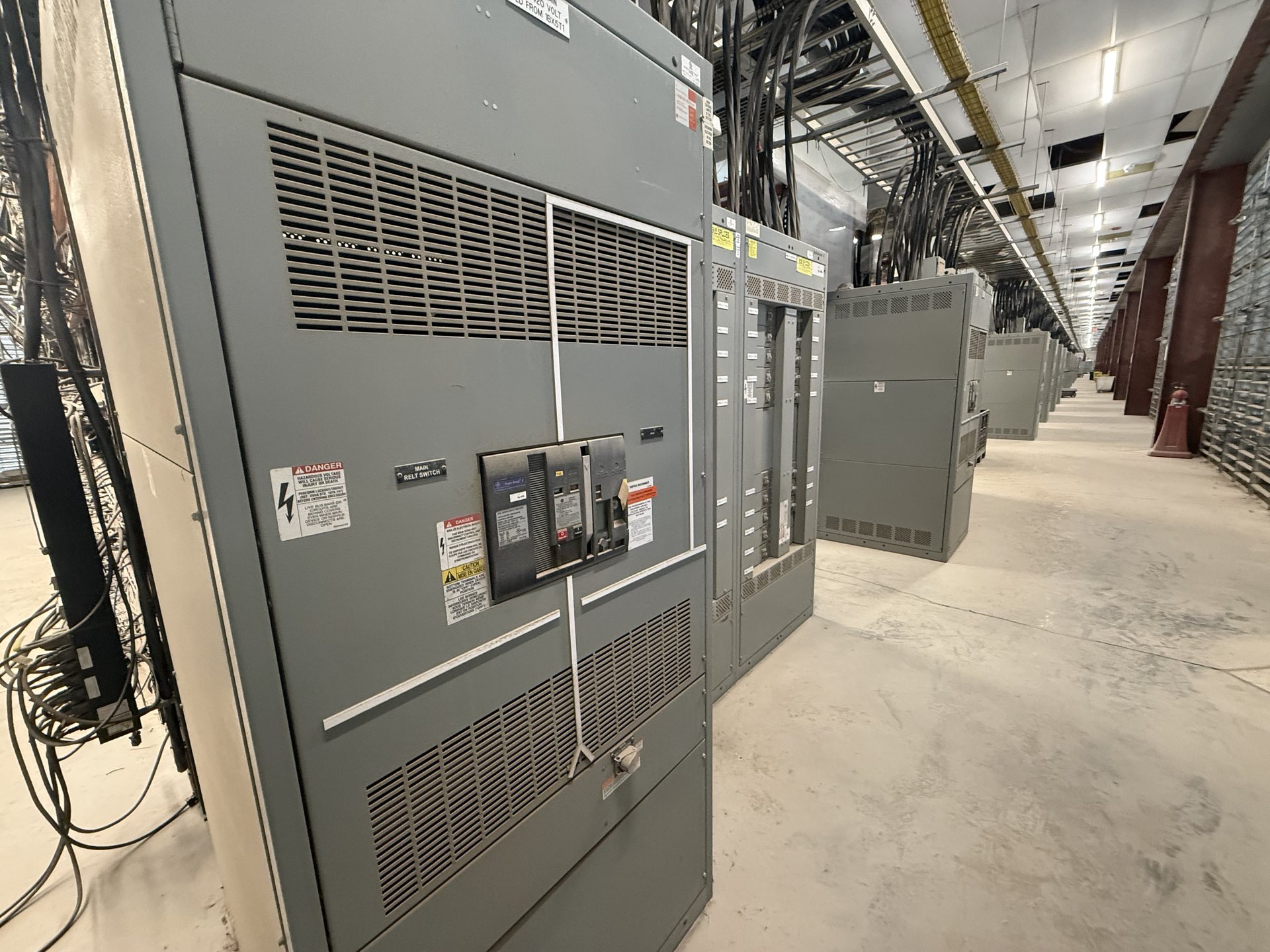
Set the interval from the equipment instructions
Start with the instructions for the specific equipment and components installed, rather than adopting a calendar interval from a different product or facility. Identify the manufacturer, model, configuration, applicable documents, and any stated inspection or maintenance recommendations. If documents are incomplete or do not address the installed arrangement, ask the equipment manufacturer or a qualified electrical professional to clarify what applies before setting the schedule.
A maintenance plan should distinguish routine observation from tasks that require de-energized access, disassembly, adjustment, or specialized testing. Those activities have different hazards, qualifications, and planning needs. Do not infer that a switchgear assembly needs a particular procedure or frequency from a general checklist. For a new equipment quotation, provide available drawings, specifications, and operating requirements so the proposed configuration and its documentation can be reviewed.
Account for site conditions and duty
The environment can affect how often qualified personnel need to inspect an installation. Consider dust, moisture, corrosive atmospheres, temperature variation, ventilation, vibration, and the presence of construction debris or other contaminants. Record which conditions are present, whether they are seasonal, and whether the equipment enclosure and room design address them. The schedule should reflect actual exposure, not an assumption that all indoor or outdoor installations experience the same conditions.
Operating duty also matters. A facility with frequent switching, changing loads, repeated disturbances, or critical continuity requirements may need a different review plan from a site with different operating patterns. Keep a record of unusual events, alarms, trips, repairs, and changes in use, then have qualified personnel consider whether they affect inspection priorities. These observations inform maintenance planning; they do not establish a universal interval or replace manufacturer instructions.
Build safety and access into the schedule
Maintenance timing must be coordinated with approved safety procedures and the facility’s electrical safety program. Before work is planned, determine who has authority over the equipment, what shutdown coordination is required, which hazards and boundaries apply, and how the work area will be controlled. The responsible qualified personnel must assess the specific equipment and task; a maintenance calendar alone does not make access or work safe.
Avoid scheduling intrusive work merely because a date has arrived if required personnel, documentation, controls, or operating approvals are not in place. Conversely, do not defer a concern such as visible damage, abnormal noise, an alarm, or evidence of contamination until the next routine review. Report it promptly through the site’s established process so qualified personnel can assess the condition and determine the appropriate response under approved procedures.
Use qualified personnel and clear work records
The facility owner or responsible operator should assign maintenance planning and work to personnel whose training, experience, and authorization match the equipment and task. Depending on the installation, that may include qualified electrical workers, an engineer, a service provider, or manufacturer support. Define responsibilities in advance: who reviews instructions, approves outages, documents findings, tracks corrective actions, and decides whether equipment can return to service.
Maintain a record for each review that identifies the equipment, date, scope, applicable instructions, personnel, observed conditions, and actions taken or recommended. Record changes to settings, components, drawings, or operating arrangements as appropriate to the facility’s procedures. Consistent records help the next qualified reviewer distinguish recurring conditions from new findings and evaluate whether the existing schedule remains suitable. Testing, servicing, and energization must follow approved procedures.
Reassess after changes or abnormal events
A planned interval should be reviewed when the installation or its operating context changes. Examples include a new load, a revised operating mode, room or enclosure modifications, equipment relocation, a change in environmental exposure, or replacement of components. Ask whether the existing instructions and maintenance plan still match the current configuration, and whether updated drawings, settings records, or other project documents are needed.
An abnormal event also warrants a documented review rather than waiting automatically for the next scheduled date. A fault, unexpected trip, water intrusion, impact, overheating indication, or reported odor may require prompt assessment by qualified personnel. The event and any corrective work should be evaluated under site procedures and applicable manufacturer guidance. The appropriate response depends on the facts and equipment condition; this page does not prescribe a diagnostic method or a fixed follow-up interval.
Scope new equipment and retrofit components carefully
When planning a new installation or a retrofit, define the equipment configuration and the maintenance information the project team will need. Useful scoping items include the existing system arrangement, drawings, electrical ratings, enclosure and environmental conditions, operating duty, protection requirements, and known constraints on access or outage windows. Explain whether the request covers a new assembly or new retrofit components, and identify the documents required for review and handoff.
We manufacture and supply new equipment and new retrofit components to specification, serving Texas from the United States and shipping nationwide. We can review project requirements for a quotation, including American-component preferences, but component origin, configuration, applicable standards, listing, documentation, and lead time must be confirmed for each project. UL 891 applies to switchboards; listing and standards should be verified for the specific configuration. Maintenance and installation work remain the responsibility of qualified personnel under approved procedures.