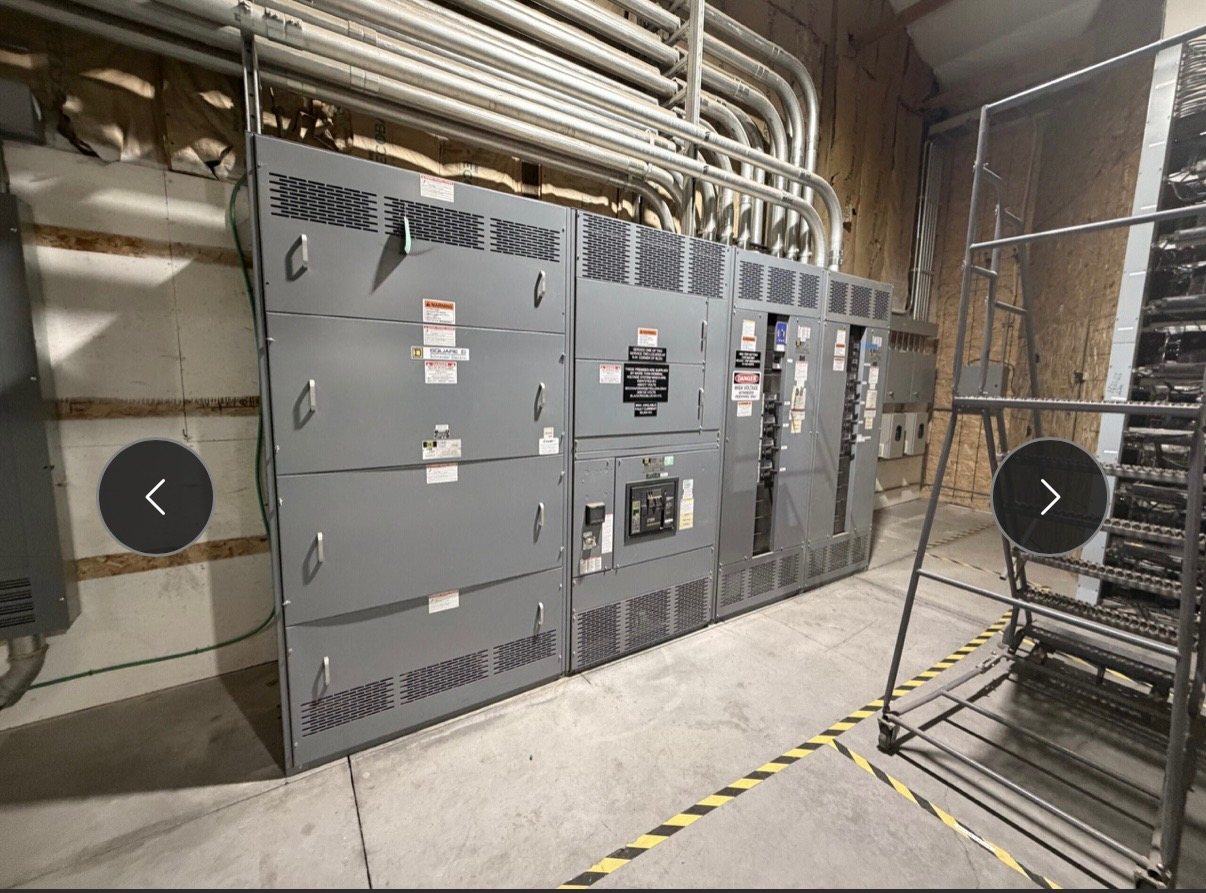
Survey Environmental Conditions Systematically
Treat the survey as a record of conditions at the proposed equipment location, not as a visual check of electrical components. Document the room or outdoor setting, the equipment’s intended position, nearby heat sources, moisture pathways, airborne contaminants, ventilation arrangements, and available working and delivery access. Identify who supplied each observation and when it was recorded so the design team can distinguish measured values from estimates.
Use approved drawings, facility environmental records, project specifications, and observations made from safe, accessible areas. Record operating conditions as well as unusual seasonal or process-related conditions when reliable information is available. Do not remove covers, approach exposed conductors, or perform measurements inside electrical equipment as part of this survey. Qualified personnel must follow approved procedures for any work involving electrical hazards.
Record Temperature and Elevation Context
Document expected ambient temperature at the equipment location, including normal operating conditions and credible extremes identified by the facility or project team. Note whether the room is conditioned, intermittently cooled, exposed to direct sun, or near boilers, process equipment, or exhaust. If the project provides temperature records, include their source, measurement location, time period, and whether readings reflect occupied, operating, or shutdown conditions.
Record the installation elevation above sea level when known, using project or site documentation rather than an unsupported estimate. Elevation and temperature may affect equipment application and component selection, so provide these details with the electrical requirements for engineering review. Do not assume that a familiar design or rating remains appropriate under different environmental conditions; confirm the proposed configuration and any applicable limitations during quotation and submittal review.
Describe Dust and Airborne Contaminants
Characterize airborne material by source and behavior: for example, ordinary building dust, construction dust, fibers, conductive particles, or process-generated residue. Note whether contamination is occasional or persistent, whether nearby operations create visible deposits, and whether dust-control or housekeeping practices are documented. Photos taken from a safe location may help explain the setting, but they should not substitute for a written description of exposure and operating conditions.
Identify possible chemical vapors, salt-laden air, exhaust, or other contaminants separately from dust, and provide their known source and relevant facility documentation. Avoid labeling an environment “clean” without explaining the basis for that assessment. These details help the manufacturer evaluate enclosure and component requirements for new equipment or new retrofit components; the purchaser should not infer a particular environmental rating unless it is reviewed and specified for the quoted configuration.
Document Moisture and Corrosive Exposure
Describe how water or humidity could reach the equipment location. Relevant conditions can include roof leaks, condensation, washdown nearby, plumbing, exterior openings, flooding history, and transitions between warm and cool spaces. State whether the equipment is indoors or outdoors, and whether the area is subject to routine cleaning or wet processes. If available, include facility records about humidity, water events, or environmental controls, with the source and date of the information.
Record corrosive exposure in terms of actual or suspected sources, such as coastal atmosphere, cleaning chemicals, industrial fumes, or process materials. Identify the locations of those sources and whether barriers or ventilation separate them from the switchgear area. Do not assume that ordinary indoor enclosure construction is suitable for a corrosive or wet setting. Provide the exposure details for engineering review, and confirm material, finish, enclosure, and component choices for the specific new-equipment or retrofit scope.
Explain Ventilation and Heat Removal
Describe how the room or enclosure manages heat: identify available supply and return air paths, mechanical cooling, exhaust, filters, and any known restrictions. Note whether ventilation operates continuously or only during certain facility hours, and whether other equipment shares the same cooling capacity. Project drawings and facility operating information are useful sources; distinguish documented design conditions from informal expectations about future upgrades or operating schedules.
Record nearby obstructions and changes that could affect airflow, including walls, cable pathways, doors, stored materials, or planned construction. Do not propose moving ventilation equipment or changing electrical arrangements based on a survey alone. The design team needs the intended equipment configuration and credible room conditions to review heat-related application requirements. Confirm any assumptions about cooling, enclosure design, or derating through the project’s engineering and quotation process.
Verify Access and Submit a Usable Survey
Document the route from the delivery point to the final equipment location, including door and corridor constraints, stairs, elevators, turning areas, floor transitions, and any known restrictions on handling or staging. Record available dimensions from reliable drawings or safe measurement methods, and identify overhead obstructions or scheduled construction that could change the route. Describe the intended equipment location and clearances shown on project plans without treating the survey as authorization to alter existing installations.
Send the environmental information with the electrical and physical scope: one-line diagrams, relevant room plans, equipment interfaces, required component changes, and the project’s applicable standards or specifications. Flag missing data rather than filling gaps with assumptions, and ask the design team which conditions need confirmation before pricing. Switchgear Builders Texas manufactures new equipment and supplies new retrofit components; configuration, applicable standards, component origin, documentation, and lead time are reviewed for each quotation.