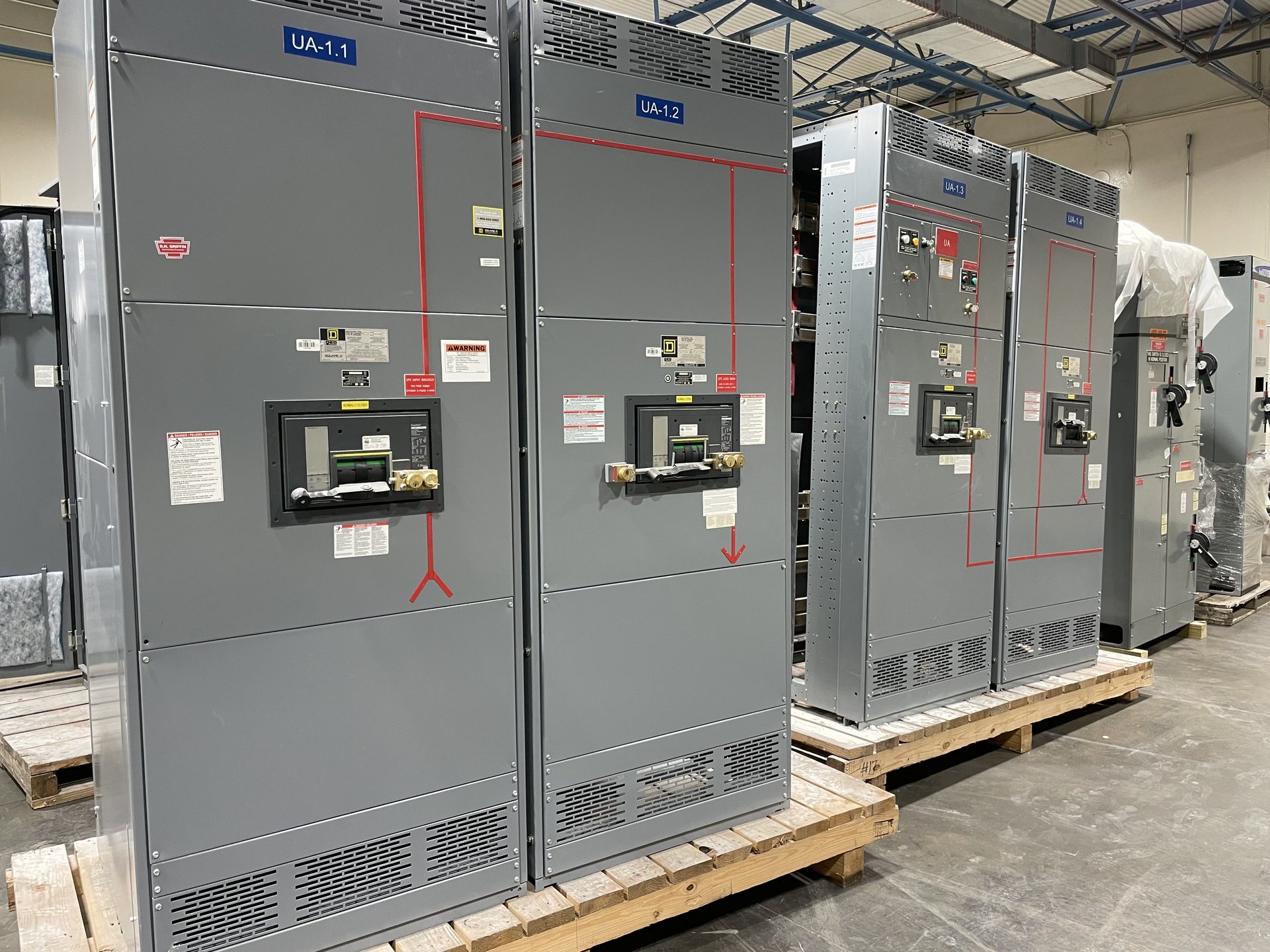
Who Is Qualified to Work on Switchgear?
Switchgear should be installed, inspected, serviced, tested, or otherwise handled by qualified electrical personnel whose training and demonstrated experience match the specific task and equipment. Qualification is not a job title alone. It depends on the person’s ability to recognize electrical hazards, understand the equipment and its limits, and follow the employer’s safety procedures and applicable rules. The owner and employer should establish who is authorized for each activity.
The required qualifications vary with the equipment’s design, condition, operating environment, and the work planned. A person competent to perform one defined task may not be qualified to inspect, modify, or test a different assembly. Before work is assigned, confirm relevant training, authorization, familiarity with manufacturer documentation, and the scope of responsibility for contractors, maintenance staff, and any technical specialists involved.
How the Owner’s Safety Program Guides the Work
The equipment owner’s electrical safety program is the controlling framework for planning and authorizing work at the site. It should identify responsible roles, hazard-assessment requirements, work approvals, communication expectations, and the procedures personnel must follow. Contractors and service providers need to understand the site rules before work begins, including how the owner coordinates responsibilities when more than one employer or team is involved.
For a planned project, clarify who reviews the work scope, who grants authorization, and who is responsible for coordinating with operations. Ask how the program addresses equipment-specific documentation, access restrictions, changes in work conditions, and the records that must be retained. Manufacturer information can support planning, but it does not replace the owner’s safety program or the employer’s duty to provide qualified personnel and safe work practices.
De-Energization and Work Planning
Where required by applicable rules and the owner’s safety program, work should be planned around de-energized equipment. The decision and controls belong to qualified personnel operating under approved site procedures; they are not a substitute for informal assumptions about equipment status. Work planning should identify the affected equipment, connected sources, system interfaces, operating constraints, and the people responsible for authorizing and coordinating the planned outage.
If a project proposes work on energized equipment, the owner and employer must determine whether it is permitted and what requirements apply before authorizing the task. This page does not provide a live-work procedure. For procurement and design coordination, establish whether access, inspection, maintenance, or replacement can be planned during an outage, and provide the manufacturer with the equipment configuration and project constraints needed to evaluate the requested new equipment or components.
Applicable Rules, Standards, and Equipment Documents
The governing requirements depend on the site, work activity, equipment, and jurisdiction. The owner and employer should determine which occupational safety rules, electrical codes, standards, and internal procedures apply, then ensure the work plan reflects them. Do not assume that one standard or a manufacturer document covers every installation or activity. Where requirements are uncertain, consult the responsible safety professional, electrical engineer, authority having jurisdiction, or other appropriate qualified party.
Use drawings, nameplates, operating information, and manufacturer documentation to identify the equipment and inform planning. Check that the available documents correspond to the assembly and its current configuration, and clarify gaps before work is authorized. For a new switchboard assembly, UL 891 is a relevant switchboard standard; applicable standards and any listing must be verified for the specific configuration. UL 891 is not a blanket listing for all switchgear.
Planning New Equipment and New Retrofit Components
When replacing equipment or planning a modification, define the scope as new equipment or new retrofit components and provide enough information to assess fit and function. Useful inputs include existing assembly identification, available drawings, the intended application, system interfaces, physical constraints, and the work the new item must support. Confirm what will be reused, what will be replaced, and which party is responsible for engineering review and installation coordination.
A retrofit component must be evaluated for the particular assembly and project; the word “replacement” does not by itself establish compatibility. Share the manufacturer and model information available, relevant ratings, enclosure details, and any known configuration changes. We build new equipment to specification using American components as requested. Component origin, engineering, availability, documentation, and lead time are confirmed for each quotation; domestic-content compliance should not be assumed.
Questions to Resolve Before Work or Purchase
Before work is scheduled, ask: Who is qualified and authorized for each task? Which owner and employer procedures govern? What approvals, coordination, and records are required? Is the work planned for de-energized equipment where required? Which documents identify the assembly and its condition? These questions help the project team expose missing information early without treating a purchase order, drawing, or manufacturer response as work authorization.
For a pricing request, provide the application, equipment identification, requested configuration, project schedule needs, and available drawings or specifications. State whether the request concerns a complete new assembly or new retrofit components, and identify applicable standards or documentation requirements for review. We serve Texas from the United States and ship nationwide. Availability, engineering, lead time, component origin, and test documentation are subject to project review and confirmation in the quotation.