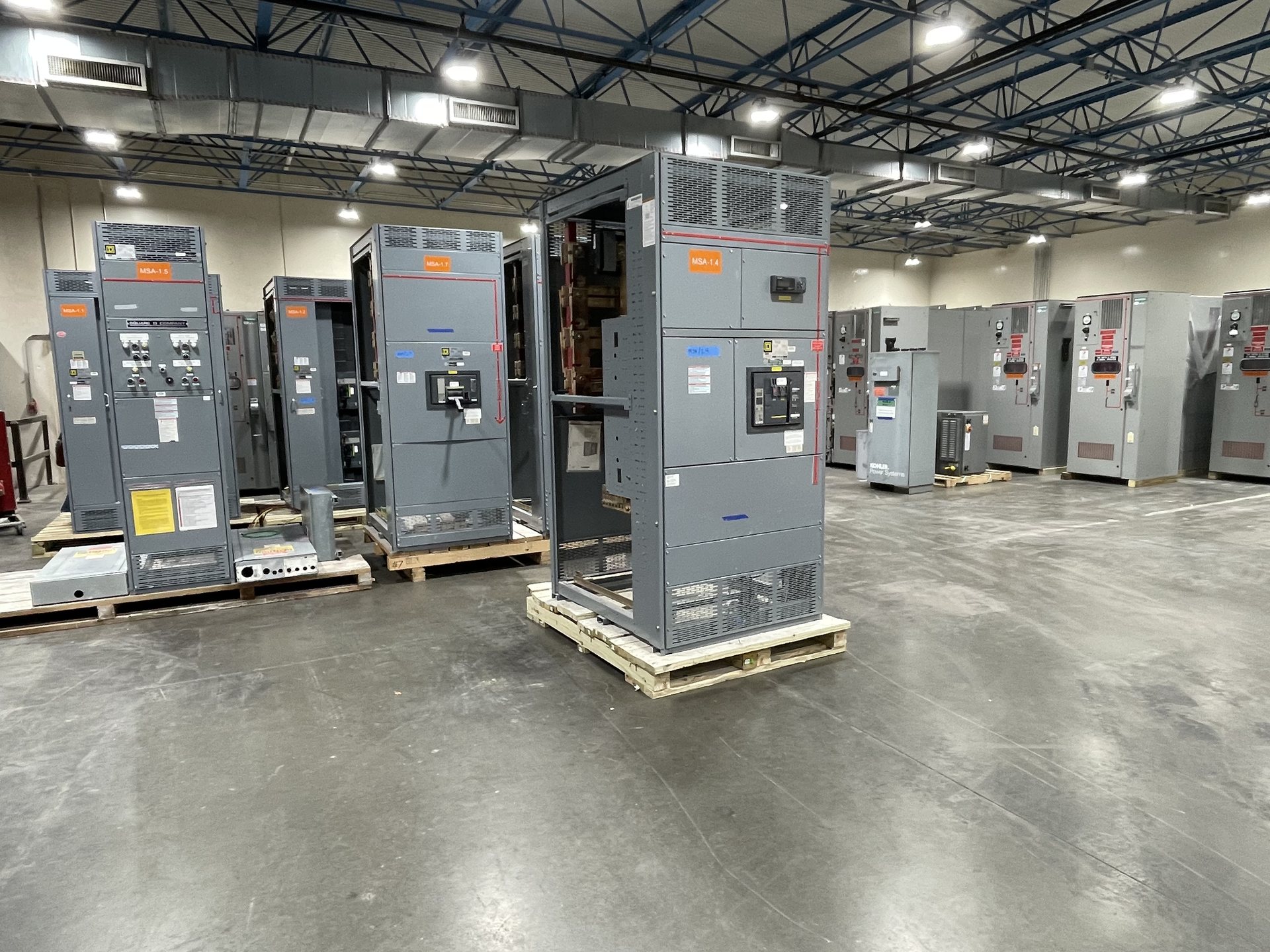
What “enclosure type” means
An enclosure type is a designation describing the protection an electrical enclosure provides against defined environmental conditions, such as access to hazardous parts, falling dirt, or water. The appropriate designation depends on where and how the equipment will be used. It is not a general measure of electrical performance, fault withstand capability, or suitability for every condition a site may encounter.
When specifying distribution equipment, identify the actual exposure rather than requesting a type based only on a familiar label. Is the assembly indoors or outdoors? Could it encounter washdown, blowing dust, condensation, corrosive substances, or physical impact? The answers help establish the required enclosure configuration, but the final rating must be verified for the complete evaluated assembly.
Why the complete assembly determines the rating
A rating associated with an individual breaker, instrument, operator, or accessory does not automatically apply to the finished switchboard or other distribution assembly. Doors, covers, seams, ventilation openings, cable-entry points, mounting provisions, and installed accessories can affect how the completed enclosure performs. A change in one of these features may alter the configuration that was evaluated.
For that reason, request documentation that identifies the assembled equipment and its relevant configuration, not just product literature for a component. Confirm that proposed field openings, conduit arrangements, external operators, or accessory locations are included in the evaluated design or otherwise addressed by the manufacturer. The applicable rating and standards should be verified for the specific quoted configuration.
Match environmental exposure to the application
Start enclosure selection with a site description that is specific enough to support design review. Record whether equipment is in a conditioned electrical room, an unconditioned interior space, a sheltered exterior area, or a location exposed directly to weather. Note possible water sources, airborne material, cleaning practices, temperature changes, and corrosive or conductive contaminants. “Indoor” alone may not describe the exposure adequately.
Also distinguish normal operating conditions from foreseeable maintenance and construction conditions. Temporary exposure during building work, planned washdown, or later changes to the room can affect enclosure requirements. Share these circumstances when requesting pricing so the manufacturer can review the intended application and identify details that need confirmation before equipment configuration and documentation are finalized.
Openings, ventilation, and installation details
An enclosure has to accommodate heat management and electrical connections while maintaining the protection established for its design. Ventilation features, louvers, cable entry locations, gland plates, and conduit openings are therefore not cosmetic details. Their position, size, and construction can affect the evaluated assembly. Avoid assuming that a field-made opening or an added component leaves the original enclosure classification unchanged.
Provide the manufacturer with the planned installation arrangement, including cable entry direction, floor or wall mounting, working-space constraints, and any required external controls. Identify who will make or approve openings and whether they are part of the supplied configuration. Installation, modification, inspection, and energization should be handled by qualified personnel under approved procedures; site work should not be treated as an informal substitute for design review.
Specify new equipment or retrofit components
For a new assembly, include enclosure type as a defined project requirement alongside system configuration, ratings, dimensions, and environmental conditions. If the project documents cite a particular standard or classification, identify the applicable edition or project specification and ask how it applies to the complete proposed assembly. Do not assume that one enclosure designation covers every possible accessory or installation arrangement.
For retrofit work, specify new retrofit components only and provide the equipment manufacturer, model or identification details, photographs, and relevant drawings when available. Describe the existing enclosure condition, available space, connection requirements, and any environmental exposure changes since the original installation. Compatibility and enclosure protection need review together: a component that fits mechanically may still require confirmation of the assembled configuration and applicable rating.
Documents to request and review
A useful quotation package states the intended enclosure type, installation environment, equipment configuration, and any project-specific standards. Request drawings or configuration documents that make the assembly boundaries and included features clear. Ask which rating applies to the complete assembly, what documentation supports that determination, and whether proposed openings or accessories are included in the evaluated design.
Before purchase, compare the quotation and submittal documents against the project specification and site conditions. Confirm component origin requirements, design details, applicable standards, documentation availability, and lead time with the manufacturer for that particular configuration. Switchgear Builders Texas builds new equipment to specification using American components as requested; origin, engineering, timing, and test documentation are confirmed during project review and quotation.