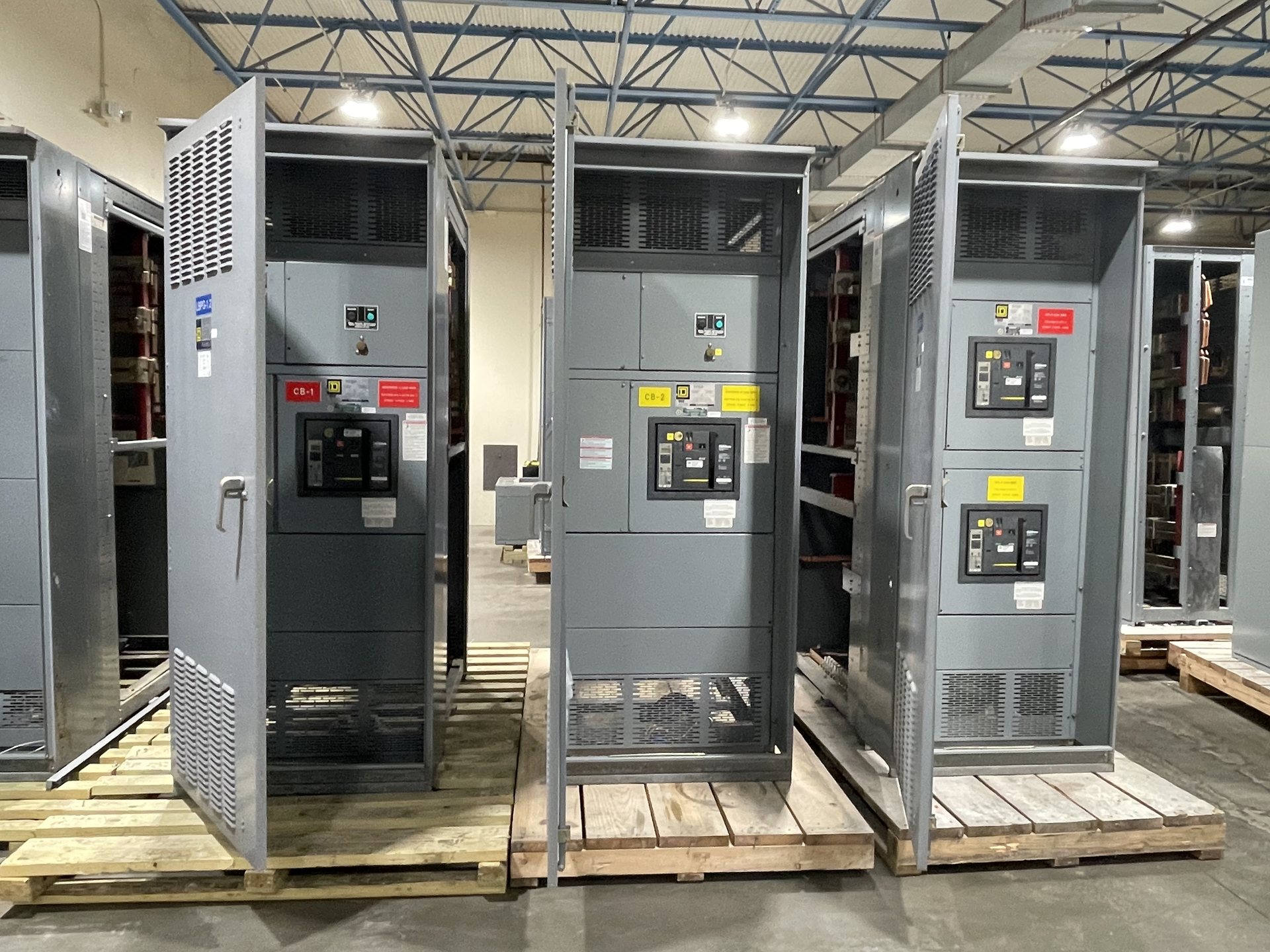
Plan the Switchboard Replacement Around Outage Windows
Start by identifying the functions supplied by the switchboard and the operational limits for interrupting each one. Ask facility engineering and clinical stakeholders which loads can be transferred, shut down briefly, or must remain available throughout the work. Document permitted outage windows, approval authority, notification requirements, and dependencies such as downstream panels, emergency systems, controls, and communications equipment.
Use that information to develop a sequence that separates equipment delivery and preparation from the scheduled interruption. The design and construction teams should agree on boundaries for isolation, removal, installation, inspections, and return to service, with contingency time and decision points defined in advance. Sequencing must be developed and carried out by qualified personnel under facility-approved procedures; equipment selection alone cannot establish a safe or acceptable outage plan.
Define Temporary Power Before the Cutover
Temporary power needs depend on the loads that must remain supported, available connection points, and the duration and phases of the replacement. Ask which loads require uninterrupted supply, which can transfer to an existing source, and which can be supported temporarily. Confirm the responsible party for temporary distribution, its location, environmental constraints, cable routing, monitoring, and the process for removing it after the permanent system is ready.
The replacement design should account for temporary arrangements without assuming they are automatically compatible with the existing distribution system. Provide the source and load information, proposed transfer boundaries, and any constraints affecting temporary connections so the project team can coordinate equipment requirements. A temporary-power plan requires facility review and qualified implementation. Do not treat an unverified connection, estimated capacity, or informal load list as authorization to energize equipment.
Identify Existing Feeders and Their Destinations
Feeder records may be incomplete, outdated, or inconsistent with field conditions. Assemble available one-line diagrams, panel schedules, cable and conduit information, labels, breaker descriptions, and prior modification records. Ask the facility team to identify the destination and operational purpose of each feeder, including whether it serves patient areas, critical support functions, mechanical systems, or other distribution equipment.
Record known conductor details, terminations, routing constraints, protective-device information, and spare or unused positions where documentation supports them. Mark uncertain information for field verification rather than carrying assumptions into a new lineup design. These records help determine whether existing feeders can be accommodated by the proposed arrangement and what transition components may be needed. Verification and any examination of existing equipment must be performed by qualified personnel using approved procedures.
Build Patient-Area Continuity Into the Scope
A facility-wide load list is not enough to plan continuity. Identify which distribution paths serve patient-care areas and how those paths relate to the switchboard being replaced. Ask facility representatives to explain required continuity, acceptable transfer or interruption conditions, connected systems that depend on the same path, and the communication and approval steps needed before any planned outage.
Coordinate the electrical scope with the facility’s operational plan so affected departments can evaluate timing, access, and any temporary arrangements. The project documents should show the boundaries of the work and distinguish confirmed load information from items requiring further investigation. We can manufacture new distribution equipment to the agreed project requirements, but continuity procedures, clinical decisions, and outage authorization remain matters for the facility and its qualified project team.
Specify Compatible New Equipment and Retrofit Components
Compatibility depends on the existing installation and the intended new configuration, not on a general description such as “replacement switchboard.” Provide system voltage and phase, available fault-current information when established, bus requirements, incoming and outgoing arrangements, feeder and termination details, enclosure and location conditions, and required protective-device functions. Identify space, access, conduit-entry, and connection constraints that could affect the replacement layout.
For retrofit work, clearly separate existing items to remain from new equipment and new retrofit components within the manufacturer’s scope. Include interface drawings, dimensions, connection details, and any verified operating or coordination requirements available to the design team. We build to specification using American components when specified; component origin and configuration are reviewed for each quotation. Listing and applicable standards must be verified for the particular assembly and scope.
Prepare Documents for Quotation and Project Review
A useful quotation package includes the current one-line diagram, equipment schedules, relevant panel and feeder records, site and access constraints, the replacement boundary, and the proposed outage sequence. Add the requested new-equipment scope, any new retrofit components, required drawings, submittal needs, and known schedule milestones. Flag open questions—especially unverified feeder destinations or temporary-power assumptions—so they can be reviewed rather than mistaken for confirmed design inputs.
Before release, align the equipment description, interfaces, and documentation expectations among the owner, engineer, contractor, and facility operations team. Confirm who will provide field verification, design approvals, installation, inspection, testing, and energization under approved procedures. We review availability, engineering needs, lead time, component origin, and test documentation for each quotation; none should be assumed before project review. Requests for pricing should identify the required configuration and the information still pending.