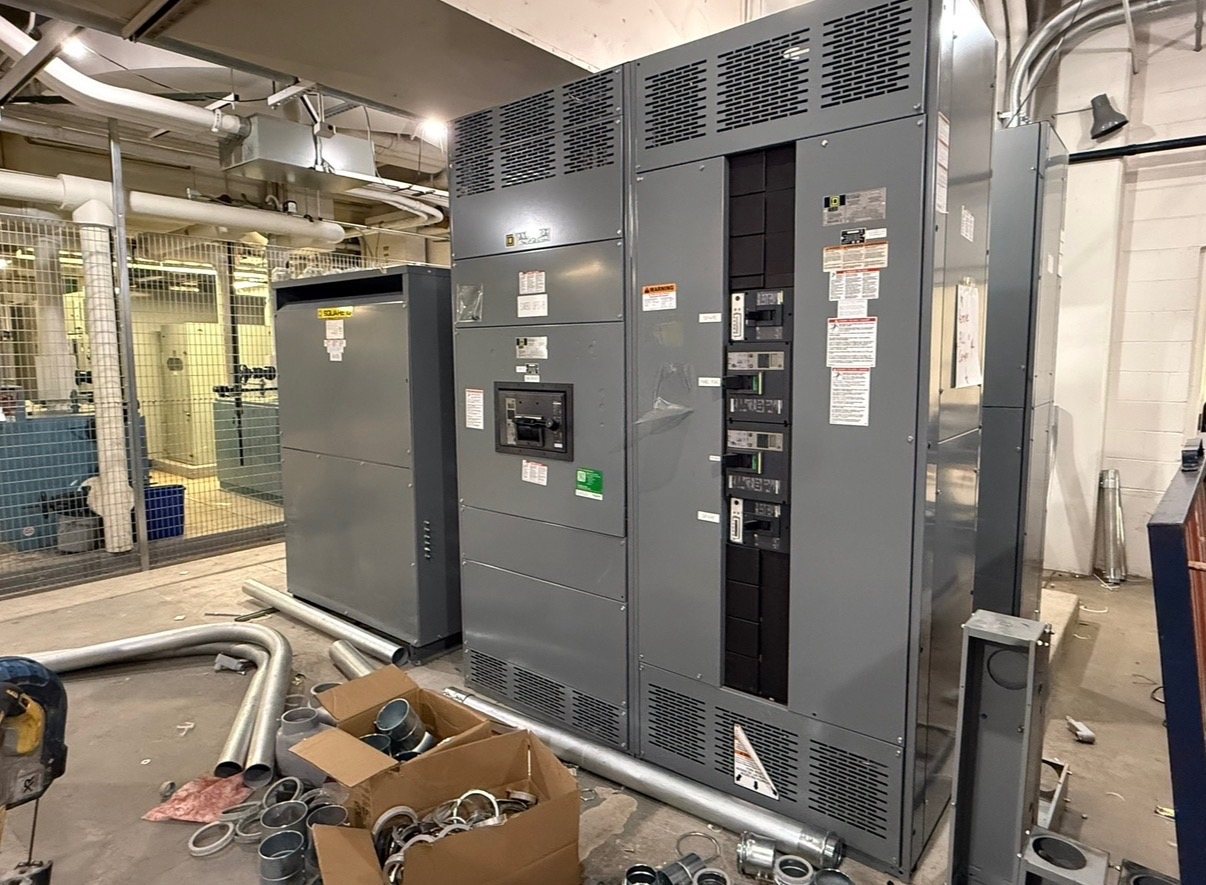
Plan Phased Replacement Around Hub Operations
Replacing distribution equipment in an operating airport or transportation facility calls for a phase plan that is grounded in the existing one-line diagram and the facility’s operating schedule. Identify which loads each lineup serves, which areas can be isolated, and what temporary arrangements the project design allows. Separate proposed work into defined boundaries, such as a building, electrical room, or distribution section, and record the dependencies between phases.
For a quotation, provide the planned sequence, outage windows if known, target in-service dates, and any restrictions on access or equipment movement. Explain whether the project needs complete new assemblies, new retrofit components, or both. Retrofit components are not presumed compatible based on appearance or nominal ratings; review requires details of the installed equipment and the intended electrical and mechanical interface.
Define Continuity Requirements and Load Dependencies
Operational continuity is a design constraint to document, not a performance promise attached to a switchgear purchase. List essential and nonessential loads, identify loads that cannot be interrupted together, and note any approved temporary-source or transfer arrangement in the project design. Include relevant operating sequences for systems such as passenger processing, communications, baggage handling, ventilation, and facility services when they affect distribution boundaries.
The engineer of record and facility team should determine permissible interruption, switching sequence, and contingency arrangements. Share those requirements with the equipment manufacturer so the proposed configuration can be reviewed against the project’s intended topology and interfaces. State who is responsible for temporary power, protective-device coordination, and commissioning planning; these responsibilities should be assigned in project documents rather than assumed from an equipment quotation.
Document Existing Equipment Before Selecting a Replacement
Compatibility review begins with reliable records of the installed distribution system. Submit current one-line diagrams, equipment schedules, nameplate photographs, available manufacturer and model information, and dimensions of the existing lineup and room. Include bus arrangement, incoming and outgoing connections, conductor entry direction, grounding details, protection and metering needs, and any known changes made since the original drawings were issued.
Identify the source and downstream equipment at each interface, including transformer data, feeder destinations, and any tie or transfer connections. Provide the project’s required system voltage, current, fault-duty information, and protective-device requirements as design parameters for review, not as assumptions about standard availability. Missing or conflicting records should be flagged early; site verification by qualified project personnel may be needed before final configuration is established.
Coordinate Contractor Access and Installation Logistics
Transportation facilities can impose access controls that affect how equipment is delivered and installed. Document delivery routes, receiving hours, security or escort requirements, loading limits, elevator and corridor dimensions, staging areas, and the route from receiving to the electrical room. Include room-door clearances, floor and housekeeping-pad conditions, working-space requirements, and any restrictions on cranes, carts, or other material-handling equipment.
Clarify which party manages facility coordination, permits, badging, escorts, removal of existing equipment, and disposal. Provide the planned installation sequence and any limits on noise, dust, or work near occupied public areas. Switchgear Builders Texas can review the information supplied for equipment configuration and shipment planning, but site access arrangements and field installation remain project responsibilities. Installation and energization require qualified personnel following approved procedures.
Resolve Electrical and Physical Interfaces
A replacement lineup must fit the project’s electrical architecture as well as its room. Identify incoming supply characteristics, bus and feeder connections, grounding method, protective-device functions, metering points, control-power needs, and required communications or status interfaces. For ties to existing equipment, provide connection drawings and identify which parts are retained, modified, or replaced. Do not assume a new section will mate with existing gear without engineering review.
For each interface, specify the responsible designer, required submittal information, and acceptance criteria. Confirm enclosure arrangement, cable access, barriers, compartment preferences, and any environmental conditions relevant to the installation. If the scope includes new retrofit components, provide the host equipment’s identifying data and detailed interface dimensions. Applicable standards and any requested listing should be verified for the specific configuration; UL 891 applies to switchboards, not automatically to every switchgear assembly.
Build a Reviewable Procurement and Submittal Package
A complete request for pricing helps align equipment selection with the construction documents. Include the project location, equipment function, design ratings, one-line diagram, schedules, physical constraints, interface drawings, phase plan, and requested delivery destination. State which items are firm requirements and which remain under engineering review. Identify the submittals needed for design approval, such as drawings, component information, and documentation of the proposed configuration.
Switchgear Builders Texas manufactures and supplies new equipment built to specification using American components as requested. Component origin, availability, engineering details, lead time, test documentation, and applicable standards are confirmed for each quotation and configuration. The customer should identify any domestic-content rules or contractual requirements for review; no independent verification or compliance certification is implied. Compare quotations against the project’s approved scope, interfaces, and documentation requirements before purchase.