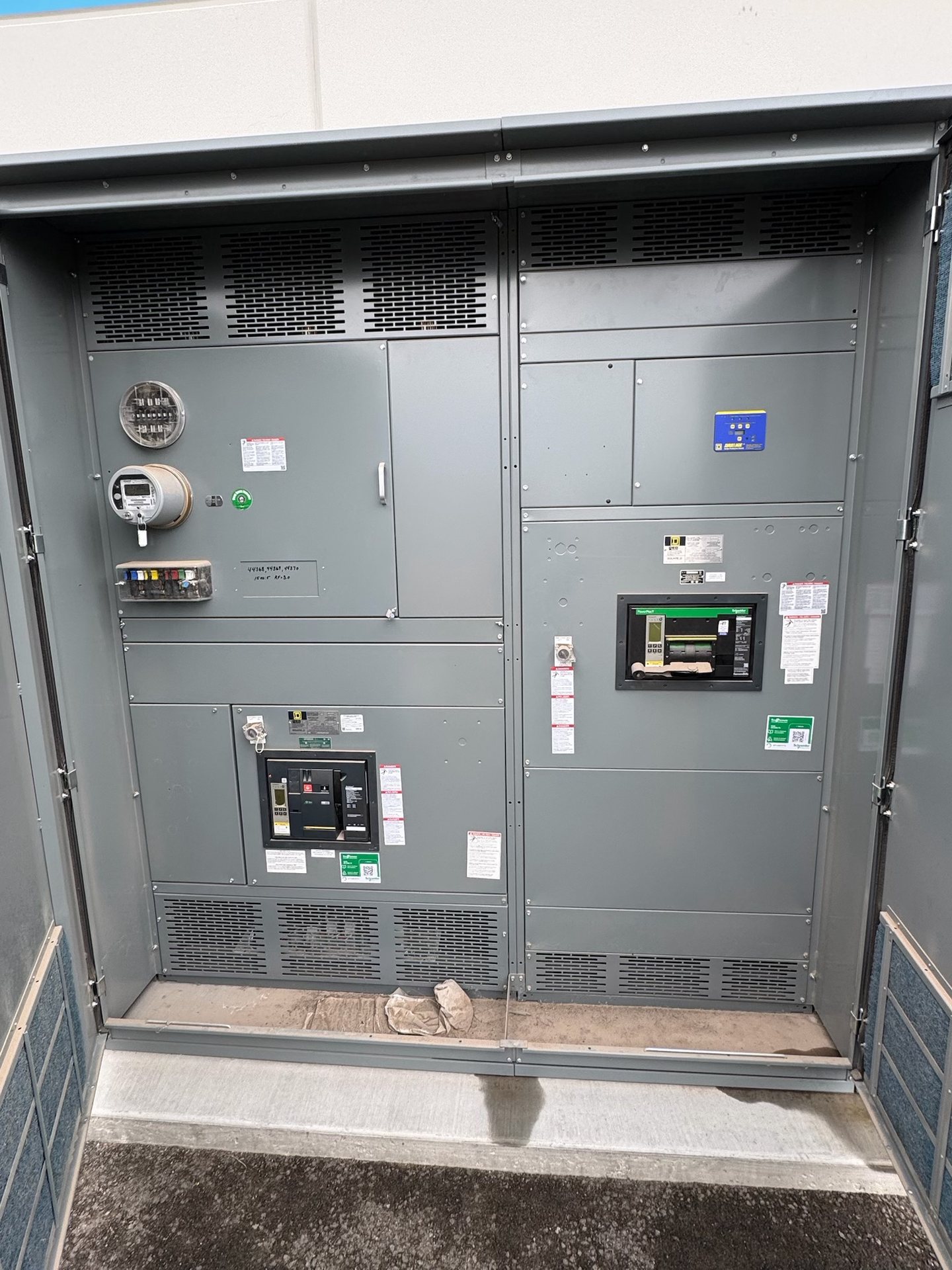
Plan Distribution Around Mining and Processing Loads
A mine’s electrical demand is shaped by the work being performed: extraction, conveying, crushing, grinding, separation, dewatering, ventilation, and site services can each impose different operating patterns. Before selecting equipment, identify the loads served by each distribution point, their starting and running characteristics, expected operating sequences, and which processes may operate at the same time. These inputs help establish a useful basis for bus, feeder, and protective-device coordination.
Process changes can alter that basis. Ask whether the design must account for phased development, equipment relocation, planned capacity additions, or seasonal variation in water handling and ventilation. Distinguish essential loads from loads that can be curtailed, and identify any equipment with frequent starts or variable-speed drives. The resulting load schedule and one-line diagram let the project team evaluate configuration choices against actual operating needs rather than a single estimated demand.
Define Utility, Generator, and Alternate-Source Arrangements
Mining sites may depend on a utility connection, on-site generation, or a combination of sources. The switchgear scope should state which sources are present, their electrical characteristics, and how each is intended to serve the distribution system. Clarify whether sources operate separately or in parallel, whether a transfer arrangement is required, and which loads must remain available when a source is lost. These decisions affect the required assembly layout and control interfaces.
For remote or staged operations, source arrangements may change as infrastructure expands. Provide the current and planned one-line diagrams, source data, grounding approach, and operating sequence for review. Identify who supplies and configures any generator controls, transfer functions, or upstream protection, and where their interfaces fall. Do not assume that an existing source or control scheme can be carried forward unchanged; confirm compatibility and responsibilities as part of the project quotation.
Account for the Actual Site Environment
Equipment selection needs to reflect where the assembly will be installed, not simply the industry name. Describe whether switchgear will be indoors or outdoors and document ambient conditions, airborne dust, moisture, corrosive exposure, vibration, elevation, and available space as applicable. A process building, a remote pump location, and a temporary development area can present different enclosure and access requirements even within one operation.
Share site drawings and installation constraints early, including room dimensions, access routes, cable entry direction, working clearances, and provisions for future sections. Identify whether the equipment area has controlled environmental conditions or relies on ventilation or heating. These details help the manufacturer assess a suitable configuration and identify questions that need engineering review. Environmental suitability should be confirmed for the specific assembly and site conditions rather than inferred from a general product description.
Coordinate Protection for Process Continuity
Protection must respond to the system’s available fault current and the loads being served. Useful design inputs include source fault data, conductor information, grounding method, upstream protective-device details, and the intended downstream feeder arrangement. For motors and process equipment, coordinate the protection approach with starting behavior and equipment requirements. The project engineer should establish selectivity and trip objectives; those objectives should be documented for review rather than left implicit in a general equipment request.
If the mine has multiple sources or planned operating modes, ask whether each mode changes fault contribution or protection coordination. Identify any required metering, alarms, communications, or control interfaces and specify the information the assembly must exchange with other systems. Submit the current coordination study, if available, along with the one-line and device schedules. Settings, coordination, and the final protection scheme require project-specific engineering and qualified review.
Scope New Equipment and Retrofit Components Clearly
A new distribution assembly and a retrofit-component order require different scope details. For new equipment, identify the system configuration, incoming and outgoing connections, feeder quantities, control needs, metering requirements, and space reserved for anticipated expansion. State whether the project calls for a UL 891 switchboard assembly where applicable, and verify the listing and applicable standards for the exact configuration. UL 891 applies to switchboards; it is not a blanket listing for every type of switchgear.
For a retrofit, provide the existing equipment nameplate and drawings, photographs, relevant dimensions, connection details, and the function of the component being replaced. Explain whether the work is part of a planned capacity or protection change, not only a like-for-like replacement. Switchgear Builders Texas supplies new retrofit components. Compatibility, component origin, engineering scope, applicable documentation, and availability must be confirmed for the quoted configuration.
Build Maintenance and Purchasing Requirements into the Scope
Maintenance planning begins with access and documentation. Consider how qualified personnel will inspect the equipment, identify isolation boundaries, and obtain the drawings and device information needed for approved procedures. Request the project documentation relevant to the assembly, such as as-built drawings, device schedules, and applicable test records, and confirm what can be provided with the quotation. Inspection, servicing, testing, and energization require qualified personnel working under approved procedures.
For procurement, submit the one-line diagram, load and feeder schedules, source information, environmental conditions, requested standards, delivery destination, and required documentation. State the project schedule and whether phased shipment or future expansion affects the scope. We review these inputs to develop pricing and assess engineering and lead time for the specific configuration. American components can be specified; component origin and any requested domestic-content requirements must be addressed and confirmed for the quoted equipment.