Plan mine-site distribution around the supply and load
Start by tracing the intended power path: source, incoming distribution, transformation where required, downstream feeders, and the loads at each point. Identify the source type and nominal voltage, whether the system is three-phase, the grounding arrangement, and the voltage required at each major load. A one-line diagram is especially useful where a mine combines utility service, generation, substations, and processing facilities.
Provide the expected demand and operating pattern for each feeder, not only a site-wide total. Note which loads start together, which operate continuously, and which may be added as extraction or processing areas change. These inputs help determine bus and feeder requirements, switching arrangement, protective-device coordination, and room for future circuits. Final ratings and configuration require project engineering and confirmation for the quoted equipment.
Separate portable loads from stationary plant equipment
Mobile crushers, pumps, drills, conveyors, and temporary work areas may connect through distribution points that move or change as the site develops. Document where these loads will connect, how often the connection point relocates, the cable or connector interface required by the project, and whether a feeder serves one machine or several. Identify motor starting characteristics and any variable-speed drives that affect system behavior.
Stationary loads such as process lines, ventilation, dewatering systems, workshops, and fixed conveyors call for a different operating picture. Record normal and peak demand, operating duty, criticality, and planned isolation boundaries. Tell us which circuits must remain available during maintenance or staged construction. This distinction helps define feeder grouping and switching needs without assuming that portable equipment can use the same distribution arrangement as permanent plant loads.
Translate site exposure into enclosure and installation requirements
Mine environments can expose electrical equipment to dust, moisture, vibration, temperature variation, corrosive agents, and mechanical impact. Describe the proposed installation location, whether it is indoors or outdoors, expected ambient conditions, washdown or water exposure, airborne material, and nearby sources of vibration. Include access constraints such as limited room, vehicle traffic, restricted lifting paths, or the need to place equipment on a skid or within an enclosure.
These conditions affect enclosure selection, layout, entry locations, cooling approach, and how equipment can be inspected and maintained. State the applicable project or owner requirements rather than assuming a particular enclosure or environmental rating. Also clarify whether the gear will be installed in a building, a protected electrical room, or an exposed operating area. The final design must be reviewed against the actual site conditions and configuration.
Define fault protection and coordination inputs
Protection selection depends on the available fault current at the equipment location, the source and transformer data, conductor information, and the devices upstream and downstream. Provide the latest short-circuit and coordination studies if available, or the inputs needed for the project engineer to establish them. Identify system grounding, required interrupting performance, and any owner criteria for selective coordination or protection of critical mine loads.
A changing network can alter fault levels and coordination as generators, transformers, feeders, or processing loads are added. Explain planned operating configurations, tie-breaker normal positions, and whether sources may run in parallel, subject to engineering review. Protection settings and device choices should be coordinated across the complete system, not selected from a single panel schedule. Any study, setting, or test documentation included in a quotation must be confirmed for that scope.
Choose new equipment for the project lifecycle
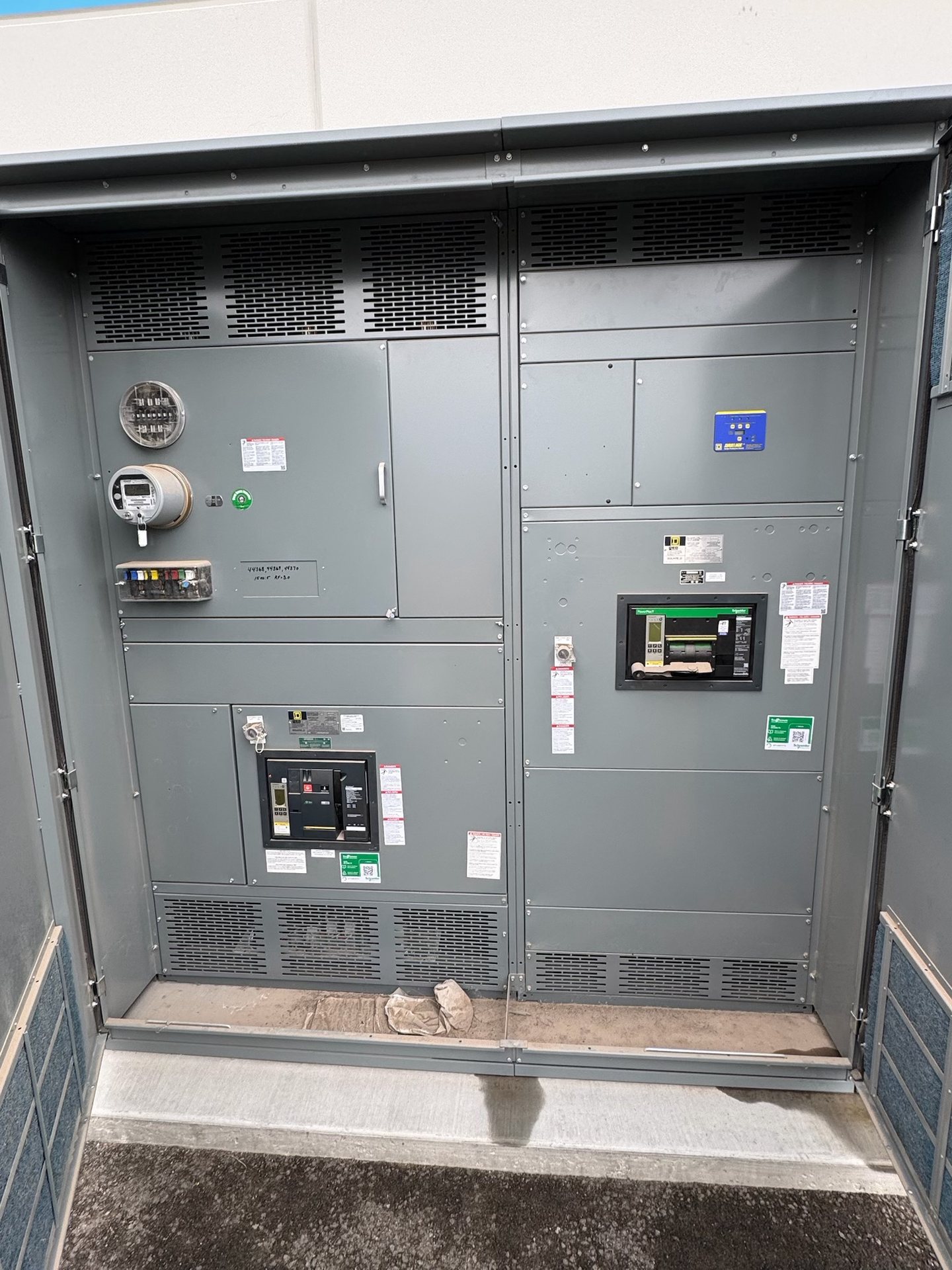
For new mine-site installations, establish whether the scope is an incoming switchboard, feeder distribution assembly, or a coordinated set of equipment across multiple locations. We supply new equipment built to specification; the project team should identify required sections, incoming and outgoing connections, metering or control functions, spare ways, and any interface to transformers or downstream gear. UL 891 applies to switchboard assemblies, not every form of switchgear, so verify applicable standards and listing requirements for the specific configuration.
For an upgrade to an existing mine distribution system, specify new retrofit components only and identify the equipment they must fit. Share manufacturer and model information where known, nameplate data, available drawings, section dimensions, bus details, and device interface requirements. State whether the existing gear can be taken out of service and what the retrofit is intended to change. Compatibility, scope, and any required engineering review must be confirmed before pricing.
Prepare a quote package that supports a buildable scope
A useful request for pricing includes a one-line diagram, load list, equipment schedule, available fault-current data, and project specifications. Add required voltage and current parameters, source details, environmental conditions, enclosure and installation constraints, preferred arrangement, and applicable standards. Identify the project phase, requested delivery destination, and any submittal or approval milestones. Where information is preliminary, mark assumptions clearly so they can be reviewed rather than treated as fixed design requirements.
We review the project scope before confirming engineering, component origin, lead time, and available test or manufacturing documentation for a quotation. Customers may specify American components, but domestic-content requirements and the origin of each component must be addressed and confirmed for the quoted configuration; no blanket compliance should be assumed. For Texas projects, we serve the market from the United States and ship nationwide. Installation, servicing, testing, and energization require qualified personnel following approved procedures.