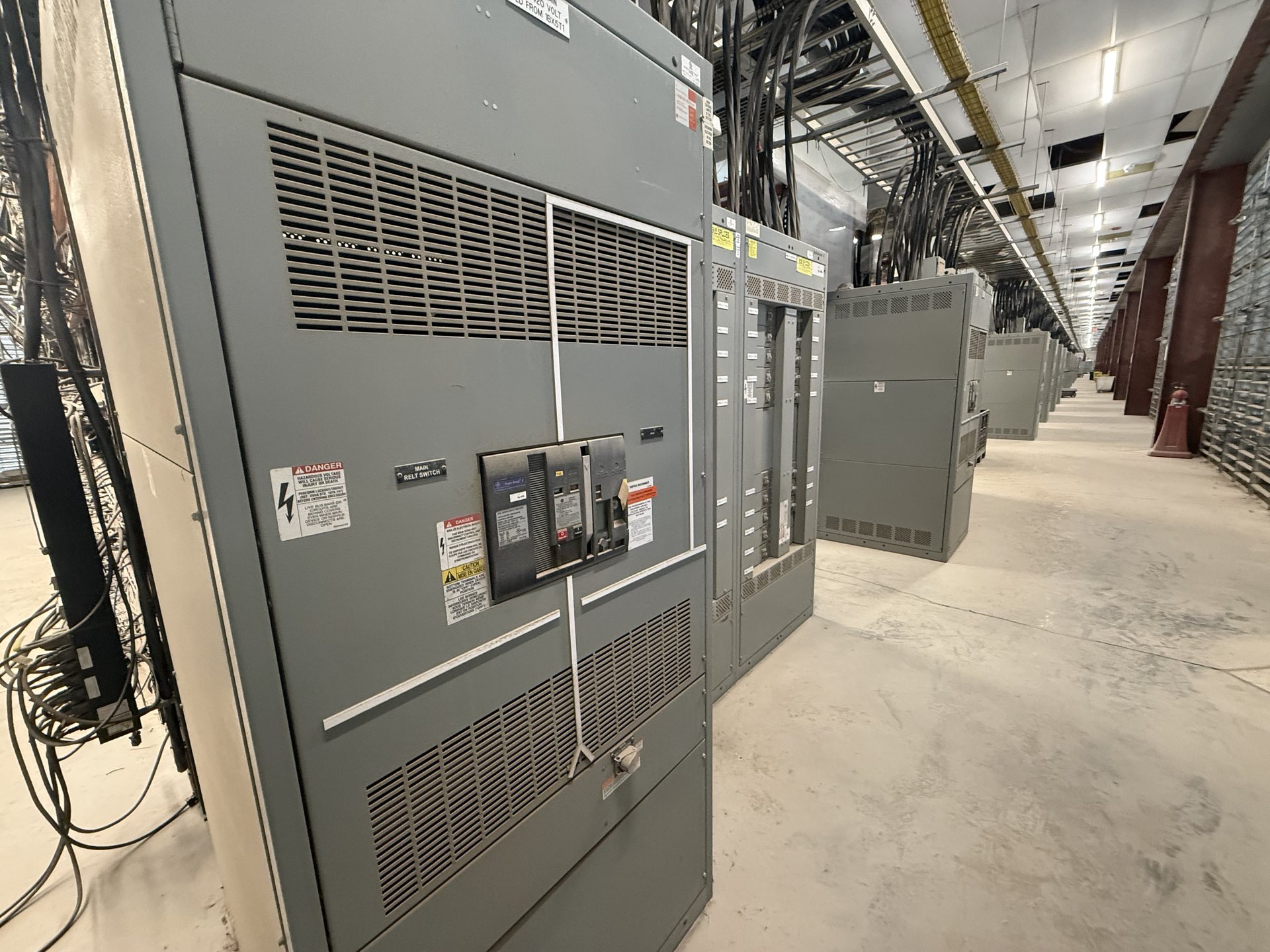
Reconcile every BOM line to the approved one-line
Start with the current approved one-line and the BOM revision intended for purchase. Give each switch, breaker, fuse, meter, and other specified device a traceable reference, such as a lineup section, circuit designation, or drawing callout. Compare those references one by one, rather than relying on a total count. This reveals devices shown on the one-line but absent from the BOM, as well as duplicated entries or quantities that do not match the depicted circuits.
Record drawing numbers, revision dates, and any approved changes used for the comparison. If a field condition, addendum, or later engineering decision conflicts with an earlier drawing, flag it for resolution instead of silently choosing one version. The buyer, engineer, and contractor should agree which documents govern the purchase. A marked-up reconciliation helps us identify scope clearly when preparing a quotation and reduces ambiguity about what the proposed new equipment must include.
Verify breaker models, functions, and quantities
For each breaker, check the circuit served, device type, frame or model designation where specified, poles, trip or protection requirements, and quantity. Confirm that the BOM distinguishes main, feeder, tie, and other application-specific breakers instead of grouping unlike devices under a generic description. Compare requested ratings and accessories with the approved one-line, schedules, and specifications; do not infer a breaker model from a similar existing device or assume that a legacy designation identifies a current replacement.
Call out details that affect configuration, including drawout or fixed construction when required, trip-unit functions, auxiliary contacts, shunt trip, undervoltage release, and control voltage. These items should be stated only when the project documents or approved engineering require them. If a listed breaker is intended for a new retrofit component, provide the existing equipment identification and the relevant interface details. Compatibility and engineering must be reviewed for the specific application before pricing or substitution is considered.
Match meters and CTs to measurement requirements
Check each meter against the measurement purpose shown in the drawings and specifications: what it measures, where it is installed, what values or functions are required, and whether communications are part of the scope. Confirm the BOM quantity and mounting location, then compare the meter description with the instrument schedule and control or communications diagrams. A meter count alone does not establish that the correct measurement points, display, inputs, or interface requirements have been captured.
Review current transformers (CTs) by location and application, not merely by total quantity. Compare the specified ratio, accuracy or metering class, burden, polarity or connection requirements, and quantity per phase with the project documents. Identify CTs used for metering separately from those assigned to protection where the design differentiates them. If the drawings leave a value unresolved, list it as an open engineering question; do not fill in a preferred value without approval.
Check enclosure and lineup features that affect scope
The enclosure is part of the BOM review, not a generic housing assumed to be covered by a switchgear description. Compare the required indoor or outdoor application, enclosure type or environmental requirements, access and working-space constraints, and any specified compartmentation with the project documents. Confirm lineup arrangement, section count, cable entry direction, bus or cable access, and dimensions where they are defined. Flag missing information that could affect interfaces, room layout, or the equipment arrangement.
Review practical features that are often omitted from device schedules: barriers, doors, locks, viewing provisions, ventilation or space-heating requirements, control wiring, terminal blocks, labels, and provisions for incoming or outgoing connections. Include these only as specified or approved for the project. If the BOM lists a feature without a drawing or specification reference, ask whether it is required, optional, or excluded. Clear inclusion boundaries help prevent assumptions in a manufacturer quotation.
Identify omissions, duplicates, and interface gaps
After checking listed items, review the one-line and associated schedules for functions that have no corresponding BOM entry. Depending on the design, potential scope questions may involve bus ties, grounding provisions, instrument transformers, control power, protective relays, indication, communications, or connection hardware. These are prompts for comparison, not a claim that every project requires every item. Confirm each apparent omission with the engineer of record before adding it to the purchase scope.
Also look beyond the one-line where the approved package defines interfaces. Compare the BOM with panel schedules, elementary diagrams, equipment specifications, cable or terminal schedules, and room or installation constraints. Note duplicated devices, inconsistent tags, unclear division between furnished and field-installed items, and components assigned to another contractor. A written exclusions and open-items list makes unresolved scope visible to the purchasing manager and gives the manufacturer a sound basis for preparing pricing.
Prepare a quote-ready review package
Provide the BOM with quantity, manufacturer or model requirements where specified, description, drawing reference, and status for each line. Include the approved one-line, relevant schedules and specifications, revision history, required delivery location, and the project schedule expectations. Mark required features separately from preferences, approved substitutions, and items awaiting engineering confirmation. If new retrofit components are requested, add equipment nameplate information, photographs or drawings, and the intended scope so that fit and interface questions can be evaluated.
Before purchase, ask the manufacturer to identify the quoted configuration, stated assumptions, exclusions, open technical points, and documentation included for review. Confirm availability, engineering scope, lead time, component origin, applicable standards, and any requested test documentation for that specific quotation. The customer may specify American components, but origin and domestic-content requirements should be stated and confirmed for the proposed configuration; they should not be assumed to establish Buy American or BAA compliance. Installation, servicing, testing, and energization require qualified personnel following approved procedures.