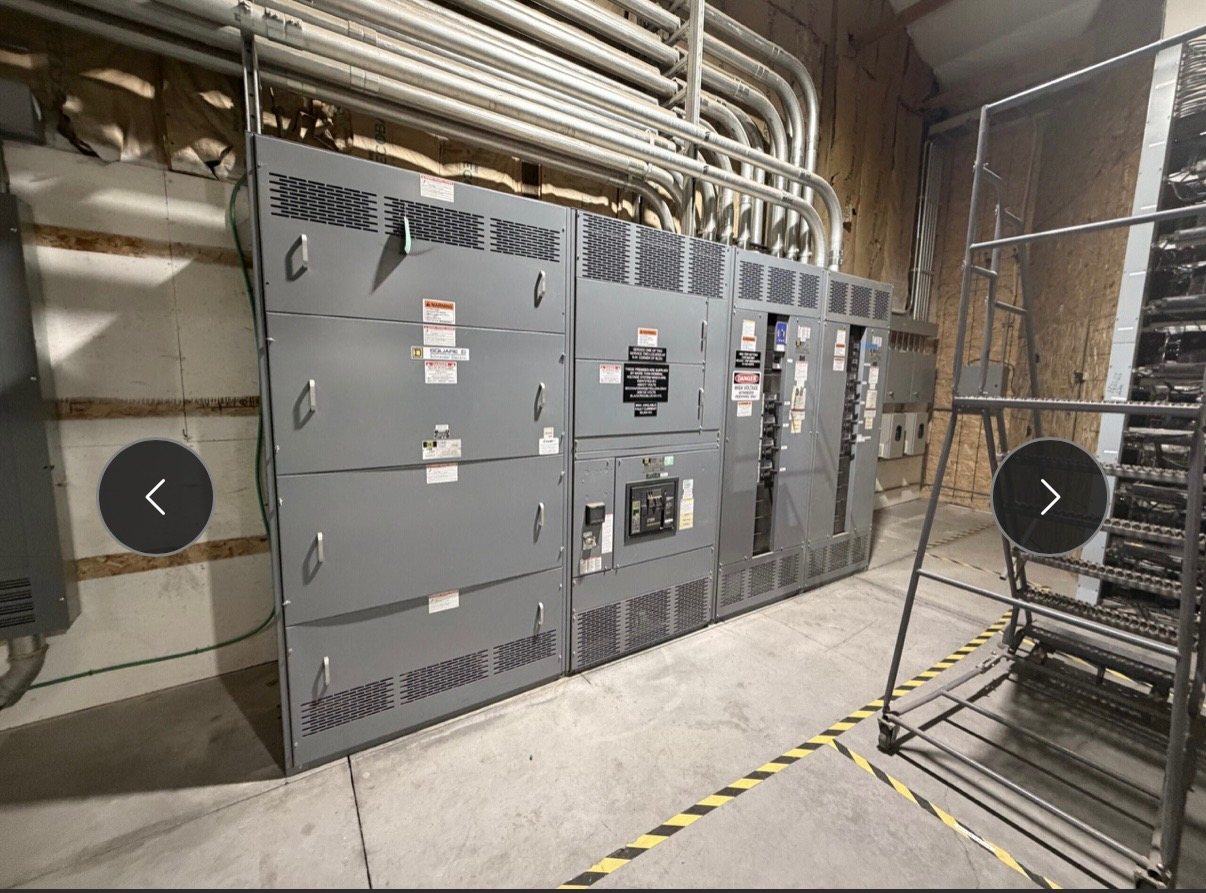
How the Manufacturing Schedule Takes Shape
A useful lead-time discussion starts with the project’s actual scope: equipment type, electrical ratings, lineup arrangement, protective devices, accessories, and any interface with existing systems. A quoted schedule should reflect those requirements and the remaining decisions, rather than assume every project follows the same production path. We review the submitted specifications and identify information that could affect engineering release, component selection, or fabrication.
Tell us the date the equipment must be ready, the required delivery location, and any intermediate milestones such as drawing approval or site access. Also clarify whether the requested scope is new equipment or new retrofit components, and identify what is excluded. A project-specific commitment can then distinguish planned engineering, approval, production, testing, and shipping stages from dates that depend on customer action or later confirmation.
Design Review and Complete Inputs
Design review can shape the schedule before manufacturing begins. Incomplete one-line diagrams, conflicting specifications, unclear feeder or control requirements, and missing details about the installation interface can prompt questions or revisions. Provide the latest approved drawings, equipment schedules, applicable project specifications, and known site constraints together. If the design is still developing, flag open items explicitly so their effect on the planned release can be assessed.
For retrofit components, document the existing equipment manufacturer and model where known, relevant nameplate information, dimensions, connection details, and the function of the parts being replaced. Photographs and existing drawings may help clarify the interface, but should not replace required technical data. Ask what information is needed to confirm fit and scope. A new retrofit component is not automatically interchangeable simply because its intended application resembles the existing assembly.
Long-Lead Components and Selection
Component selection is a schedule variable, particularly when a design calls for specific breakers, protective devices, metering, controls, or accessories. Availability and expected delivery can change, and a preferred part may require engineering review before an alternative is considered. Identify required manufacturers or models, acceptable alternates, and any project restrictions when requesting pricing. We can review component assumptions for the quoted configuration; availability must be confirmed for that quotation.
If American components are required, state that requirement and identify any project documentation or purchasing clauses that apply. Component origin and documentation must be reviewed for the specific proposed equipment; a general request does not establish that every part satisfies a domestic-content rule or qualifies under a particular procurement program. Ask which selections remain open, what evidence can be provided, and whether substitution requires written approval before the design is released.
Approvals, Revisions, and Production Release
Customer approvals are a distinct schedule milestone. Review submitted drawings against the project requirements, including arrangement, ratings, connection points, controls, accessories, and coordination with adjacent equipment. Consolidate comments where possible and identify who has authority to approve the design. If an approval date is essential to the overall plan, include it in the schedule discussion so the production sequence can be based on a realistic release assumption.
Changes after approval can require revised drawings, a new engineering review, component reselection, or adjustments to work already planned. Before authorizing a change, ask whether it affects the quoted scope, price, or committed dates, and request the impact in writing. The production schedule should identify the conditions for release, including required customer approvals and outstanding technical information, rather than treat an unapproved design as ready to build.
Production Planning and Testing Documentation
Once the design and required inputs are released, production planning depends on the approved configuration and confirmed component supply. Ask how the quoted schedule is measured and which events mark its start and completion. Clarify whether it refers to manufacturing readiness, completion of planned testing, or another defined milestone. A date for one stage should not be assumed to include later inspection, documentation, packaging, or transit.
Discuss the testing and records required by the project before production is underway. The applicable inspection, test scope, and documentation depend on the equipment configuration and contractual requirements. Switchboard assemblies may involve UL 891 considerations, but that standard is not a blanket listing for all switchgear; verify applicable standards and listing status for the specific configuration. Any testing or energization at the site must be performed by qualified personnel under approved procedures.
Shipping, Delivery, and a Firm Commitment
Shipping adds variables after manufacturing, including packaging, carrier arrangements, route, delivery access, receiving hours, and coordination with the jobsite. Provide the destination and any constraints such as appointment requirements, restricted access, unloading arrangements, or delivery windows when requesting a schedule. We serve Texas projects from the United States and ship nationwide; the project location should inform delivery planning.
Request a written, project-specific schedule with its assumptions, milestone definitions, and any dependencies that remain unresolved. Confirm whether the commitment covers engineering, approvals, production, testing, and shipment, and ask how approved changes or delayed customer inputs affect dates. Availability, lead time, component origin, engineering scope, and test documentation must be confirmed for each quotation. This gives engineering, construction, and purchasing teams a clear basis for coordinating procurement and installation planning.