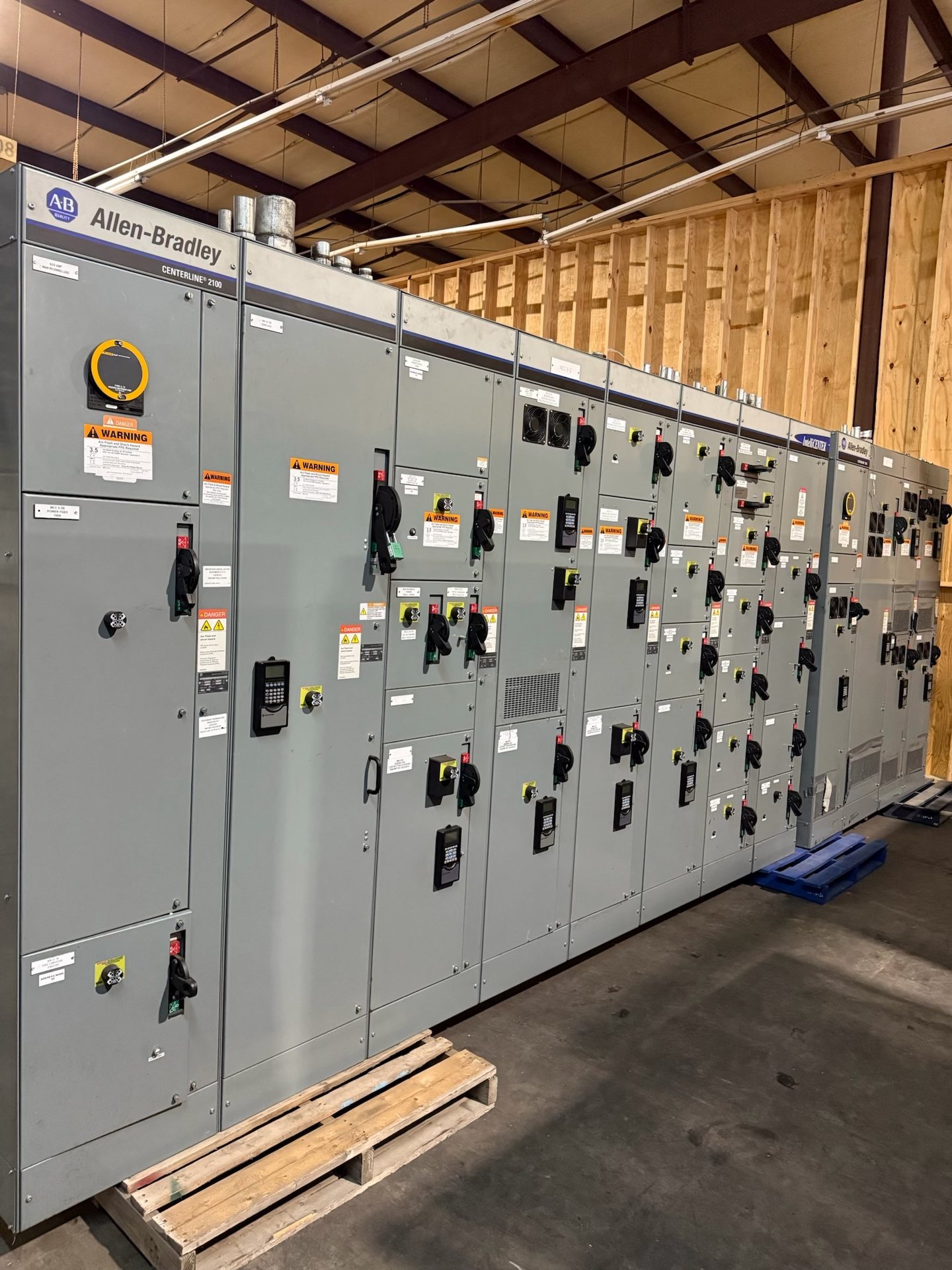
Start with the mark and the exact equipment identity
First establish what the mark claims to cover. Record the manufacturer name, equipment type, model or catalog designation, and any available certification mark or file reference from the proposed equipment documentation. Match those details to the specific new assembly or new retrofit component in the quotation. A mark on one component, drawing, or related product does not by itself establish certification of the complete switchgear assembly.
Ask the supplier to identify the certification body and explain whether the mark represents certification, listing, or another form of evaluation. Then check the mark’s authenticity using resources provided by that certification body. Compare product descriptions and identifiers carefully; similar model names can refer to different ratings, constructions, or intended uses. If a proposed configuration is still being engineered, request confirmation for the final configuration rather than relying on a preliminary description.
Confirm the certification scope in the body’s records
Use the certification body’s official directory or contact channel to check the referenced file and its scope. Verify that the record describes the relevant equipment category and identifies the manufacturer or responsible organization shown in the supplier’s documents. Look for limitations concerning product families, assembly types, component combinations, or conditions of use. A valid record for a related product is not proof that the equipment under consideration falls within the certified scope.
If directory information is abbreviated or unclear, ask the certification body what the record covers and whether the proposed equipment description is consistent with it. Provide the file reference, product identification, and the supplier’s configuration documents where appropriate. Keep the response with the project record. The certification body’s published scope and confirmation should guide the review; a broad statement that a product is “certified” is not enough to resolve configuration-specific questions.
Review file numbers, models, and document consistency
Check that file information on labels, product data, drawings, and quotation documents is consistent. Note the file or certificate number, model identifiers, manufacturer name, and any conditions or suffixes attached to the product designation. Ask the supplier to explain discrepancies rather than assuming that a typographical difference is harmless. For a custom assembly, establish which documents identify the certified product family and which describe project-specific engineering choices.
Request the applicable certification record or supporting documentation that the supplier can provide for the proposed design. Compare revision dates and product identifiers, and ask whether a change in components or construction affects the file scope. Certification records may not reproduce every project detail, so use them alongside the final equipment schedule and drawings. If the records do not clearly connect the proposed configuration to the stated scope, pause the purchasing decision until that connection is resolved.
Check restrictions on ratings, options, and assembly changes
Certification scope can depend on specific design conditions. Ask whether the record limits voltage or current ranges, enclosure arrangements, bus construction, protective devices, accessories, or combinations of options. Confirm which choices are permitted within the identified product family and which require a different evaluation. Treat project changes made after the initial review as a reason to check the scope again, particularly when a change affects a component or construction detail named in the certification documents.
For a switchboard assembly, distinguish the applicable product standard from the status of the particular assembly. UL 891 is a standard for switchboards; it is not a blanket listing for every type of switchgear or every project configuration. Do not infer that a proposed assembly carries a specific listing or label from a general standard reference. Ask what standards and evaluation apply to the exact configuration, and verify the answer with the certification body and supplier.
Verify new retrofit components and their application
For retrofit work, specify new components only and identify the existing equipment precisely: manufacturer, model or family, relevant identification data, and the intended function of the replacement or retrofit part. Ask the supplier to document compatibility assumptions and any application limits. A certification associated with a new component does not automatically establish that a modified existing assembly remains within its original certification scope or is suitable for the proposed application.
Have the supplier explain whether the component is evaluated independently, intended for a defined equipment family, or subject to installation conditions. Confirm those statements against the certification body’s records when applicable, and ask what documentation addresses the interface between the new component and the existing equipment. Do not treat a field modification as covered merely because a related factory-built product has a certification mark. Installation, servicing, testing, and energization require qualified personnel following approved procedures.
Document the decision before requesting pricing
Before requesting pricing, assemble the equipment schedule, one-line diagram, applicable drawings, required configuration, and any project standards or owner specifications that affect certification. State whether the request covers a new assembly or new retrofit components, and identify the exact scope to be quoted. Ask the supplier to confirm which certification records and configuration restrictions apply, what documents can accompany the equipment, and which details remain subject to engineering review.
Keep a written record of the certification body reference, supplier clarification, final product identifiers, and approved design revisions. Request confirmation again if the configuration changes during review or procurement. Availability, engineering, lead time, component origin, and test documentation are quotation-specific and should not be assumed from a certification record. Customers may specify American components; origin and any domestic-content requirements must be confirmed for the quoted equipment and are not independently certified by this general verification process.