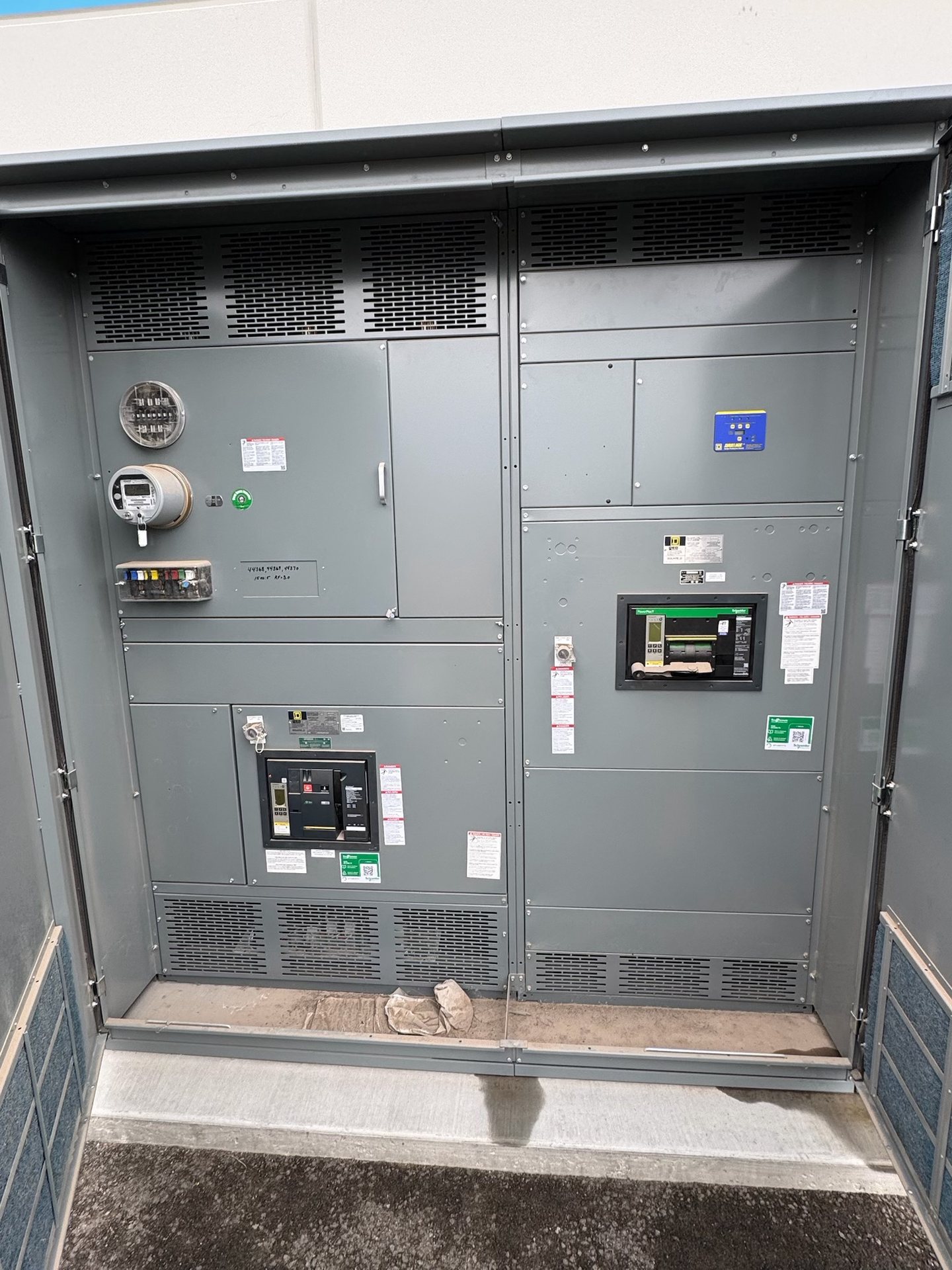
Plan Shipment Splits Around the Installation Sequence
Ask whether the equipment can ship as one assembly or must be divided into sections for transport, access, or handling. Compare the proposed split points with the electrical room layout, delivery route, and planned sequence of setting and joining sections. A split that works for freight may complicate installation if it arrives out of sequence or leaves limited space for alignment and field connections. Resolve those constraints before approving the final shipping arrangement.
For each shipment, establish which assemblies and new retrofit components are included, how they will be identified, and what documents accompany them. Confirm how receiving staff can match the shipment to the approved equipment schedule and distinguish sections intended to be joined in the field. If a project has phased construction or restricted delivery windows, identify those requirements during quotation review; shipment coordination and availability remain subject to project review and confirmation.
Prepare the Site for Receiving and Storage
Before dispatch, identify who will receive the equipment, inspect the shipment, record any visible transit damage, and notify the appropriate project contacts. Confirm the delivery point, unloading access, site hours, and whether a clear route exists from the receiving area to the final room. Decide in advance where each section can be staged without obstructing construction or being exposed to conditions that could damage it. These arrangements are the project team’s responsibility unless a different scope is expressly agreed.
Ask what storage conditions and protective measures apply to the quoted configuration, and obtain the handling and storage information needed by the site team. Keep equipment protected from moisture, construction debris, impact, and unauthorized access as appropriate to the manufacturer’s instructions. Do not assume outdoor storage, prolonged staging, or a particular packaging method is suitable. Document the receiving condition and preserve shipment records so any discrepancy can be assessed against the delivered equipment and project documents.
Coordinate Lifting and Movement to the Electrical Room
Plan the complete path from the delivery vehicle to the setting location, including door openings, corridors, turns, floor transitions, and any temporary construction barriers. The lifting contractor and site superintendent should review equipment dimensions, weight information, and designated handling provisions supplied for the specific configuration. Verify that the selected equipment and route can be managed with the planned rigging and access method. Do not estimate handling requirements from a similar lineup or assume every section can be lifted in the same way.
Assign responsibility for arranging unloading equipment, qualified rigging personnel, access control, and protection of adjacent work. Agree on a safe staging area and the sequence for moving and positioning each section before the shipment arrives. If a crane, forklift, or other lifting method is contemplated, the responsible contractor must confirm suitability against the actual equipment documentation and site conditions. Handling and placement must follow approved procedures; personnel should not improvise around lifting points or move equipment without appropriate qualification.
Verify Clearances, Room Readiness, and Anchor Work
Compare the proposed lineup dimensions and access requirements with current room drawings, not only the original architectural plan. Confirm working space, door swing, access to equipment compartments, cable entry zones, and routes needed for future service against the applicable project design and code requirements. Check that walls, adjacent equipment, and overhead conditions will not obstruct placement or access. The required arrangement depends on the equipment configuration and governing project requirements, so clearances should be verified by the responsible design professional.
Coordinate housekeeping pads, floor openings, embedded items, and anchor locations with approved equipment drawings before concrete or structural work is finalized. Confirm who provides the anchor design, who lays out and installs anchors, and who checks the finished base for level and location. Avoid relying on generic dimensions or field assumptions where they could conflict with the quoted assembly. Resolve drawing revisions and site discrepancies before setting equipment, and establish a process for review if actual conditions differ from the approved plans.
Set Cable Termination and Connection Responsibilities
During submittal review, align the cable entry arrangement and termination space with the project’s conductor plan. Confirm the intended direction of entry, conductor routing, termination provisions, and any constraints imposed by adjacent walls or other equipment. The electrical designer and installing contractor should verify that the specified configuration suits the actual cables and installation approach. Requirements vary by project; conductor sizes, connection details, and equipment suitability must be reviewed for the quoted design rather than inferred from a general description.
Define who furnishes and installs field conductors, lugs, connectors, grounding conductors, and any required transition work, and who performs connection checks under the approved procedures. Clarify whether new retrofit components are part of the manufacturer’s scope or are supplied and installed by others. Confirm the interface between those components and the existing equipment before ordering. Installation, inspection, testing, and energization require qualified personnel following approved project procedures; this planning guidance is not a substitute for those procedures.
Document Field Scope and Release the Purchase Order Clearly
Create a responsibility matrix covering shipment coordination, receiving, storage, rigging, placement, anchoring, field connections, inspection, and startup activities. Name the responsible contractor or project role for each task, identify required approvals, and record who resolves delivery damage or drawing conflicts. This avoids gaps between manufacturer scope and field scope, especially when equipment arrives in multiple shipments or the installation involves new retrofit components. Confirm the boundary in writing rather than treating customary practice as a contractual commitment.
Before requesting pricing or releasing a purchase order, provide current one-line diagrams, equipment schedules, room and access information, cable-entry requirements, delivery constraints, and the intended installation sequence. Identify applicable standards and ask which configuration-specific documentation and test records can be supplied for review. UL 891 applies to switchboard assemblies; listing and applicable standards must be verified for the specific configuration and should not be presumed for all switchgear. Component origin, engineering, documentation, and lead time are also confirmed for each quotation.