Compare the Scope Line by Line
Switchgear installation scope comparison means identifying who is accountable for each stage—not assuming that a proposal for equipment includes field labor. Our manufacturer scope is based on the approved project requirements and quotation. It may include engineering coordination, fabrication, and supply of the specified new equipment or new retrofit components. Delivery, unloading, setting, anchoring, field connections, settings, field tests, and energization require explicit assignment in the purchase documents.
Build a responsibility matrix before award with a row for each task, a named responsible party, and the required handoff or record. Ask whether a quoted item is included, excluded, or subject to site review. Confirm who provides lifting plans, installation materials, protection-setting inputs, test procedures, and acceptance records. This makes proposals easier to compare and helps prevent assumptions from leaving essential work unassigned.
Separate Fabrication from Field Installation
Fabrication scope begins with the one-line diagram, equipment schedules, specifications, and physical constraints supplied for engineering review. Clarify the required arrangement, ratings, incoming and outgoing provisions, protective devices, metering, controls, and any interfaces with existing equipment. For a retrofit, identify the exact new components required and document the existing equipment they must interface with; replacement or reuse assumptions should not be left implicit.
Ask what submittals are included, which project decisions require customer approval, and how revisions affect the design and quotation. Confirm whether drawings show connection points, dimensions, access needs, and any relevant interface details. Field verification of existing conditions belongs in a separately assigned scope unless the quotation expressly includes it. Final configuration, applicable standards, listing status, and supporting documents must be confirmed for the specific assembly.
Define Delivery, Unloading, and Placement
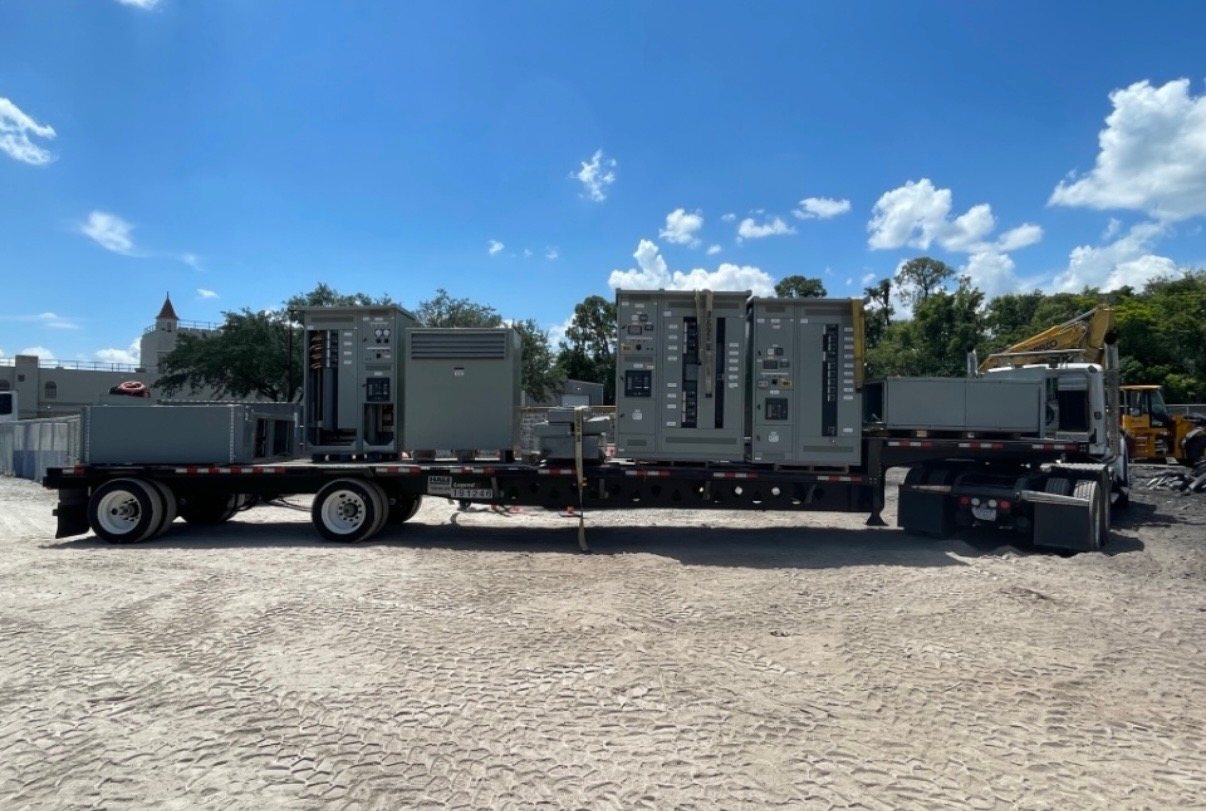
A delivery destination does not, by itself, establish who unloads or moves equipment into its final position. Compare the quoted delivery terms with the site plan: who receives the shipment, checks it for visible damage, arranges unloading equipment, and transports sections through the building or site? Confirm access restrictions, receiving hours, staging space, route dimensions, floor or pad readiness, and any limits on handling or storage before scheduling shipment.
The contractor or owner should coordinate site access and assign equipment handling unless the quotation specifically includes those services. Ask whether delivery covers transport only or also unloading, inside placement, and coordination with site personnel. Establish how exceptions, damage, missing items, or delayed access are documented and reported. Do not treat an estimated schedule as a delivery guarantee; timing and logistics depend on project review and confirmed quotation terms.
Assign Anchoring and Electrical Connections
Anchoring and installation depend on the approved equipment layout and site conditions. The project team should identify who provides and verifies the housekeeping pad or supporting structure, layout, anchors, and final positioning. Confirm the governing drawings, dimensions, access clearances, and any site-specific structural requirements with the responsible design professional and installer. The equipment quotation should not be read as a promise to perform civil, structural, or installation work unless those tasks are expressly included.
Cable and bus connections also need a clear boundary. Identify who supplies conductors, lugs, transition pieces, bus duct interfaces, and connection hardware, and who confirms conductor size, termination details, phase arrangement, and interface dimensions. Determine whether these items are included in the equipment configuration or furnished by others. Installation and connection work must be completed by qualified personnel under approved project procedures, with any field changes reviewed by the responsible engineering parties.
Coordinate Settings, Tests, and Records
Protection settings require project-specific inputs, including the approved coordination study or other engineering direction where applicable. Assign who develops, reviews, enters, and independently verifies settings, and state which devices and functions are in scope. Manufacturer-furnished equipment information can support planning, but it does not substitute for the project’s engineering decisions or establish that field settings have been applied. Record the approved setting source and identify any required owner or engineer acceptance.
Define field testing separately from factory documentation and equipment supply. Specify the responsible testing provider, test scope, applicable acceptance criteria, required procedures, witness arrangements, and the records the owner expects. Confirm whether tests cover individual devices, control circuits, interconnections, or the assembled installation, as appropriate to the project. Applicable standards and listing status should be verified for the configuration; UL 891 applies to switchboards and is not a blanket standard for all switchgear.
Keep Energization and Acceptance Explicit
Energization is a distinct operational milestone, not an automatic part of equipment delivery or field testing. The owner and project team should identify who authorizes it, who coordinates switching and utility or upstream interfaces, and what prerequisites must be satisfied. These may include completed installation checks, approved settings, required test records, resolved deficiencies, and authorized operating procedures. State who controls the equipment and communicates readiness so that no party assumes another has approved the system for service.
Before purchase, request a written scope that ties each responsibility to its deliverable: approved submittals, shipment documents, installation records, settings documentation, test reports, and acceptance sign-offs as applicable. Confirm exclusions, schedule dependencies, change-order procedures, and required customer inputs. We manufacture and supply new equipment and new retrofit components; field installation, servicing, testing, and energization require separately defined qualified-party scopes. Request pricing against the project documents so the quotation can identify configuration and scope assumptions.