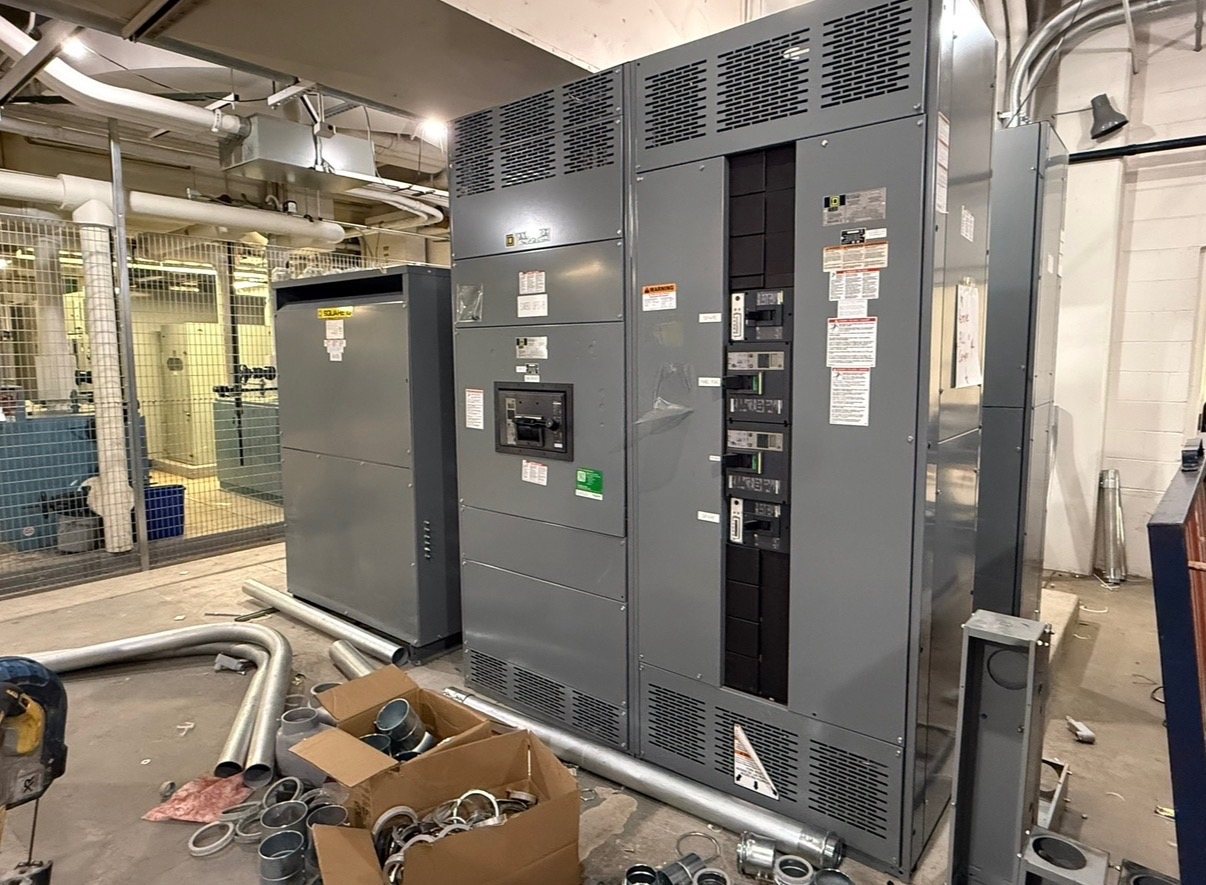
Match the enclosure to actual site exposure
For a new switchgear project, document where the equipment will be installed and what can reach it. An indoor electrical room may still experience washdown, plumbing leaks, concrete dust, condensation, or airborne process residue. An outdoor installation may face wind-driven rain, blowing dust, direct sun, standing water, or irrigation spray. Describe these conditions instead of relying on an indoor or outdoor label alone.
Share the installation location, surrounding processes, nearby doors and drains, and any planned cleaning or maintenance activities during quotation review. Note whether exposure is continuous, seasonal, or limited to an unusual event. These details help determine whether the proposed enclosure arrangement is appropriate and which assumptions require confirmation before equipment is built.
Distinguish dampness from condensation risk
Water exposure includes more than direct rain. Humid air can condense on equipment when temperatures vary, while roof leaks, washdown, wind-driven rain, or a nearby water source can create direct contact. Identify the source, likely direction, frequency, and potential severity of moisture. If condensation is a concern, explain how the room is heated, cooled, or ventilated and whether the equipment may sit idle in changing conditions.
An enclosure selection should not be treated as a substitute for site drainage, building protection, or a reviewed moisture-control plan. Ask which enclosure type is proposed for the stated exposure and whether options for managing condensation are appropriate to the assembly. Confirm the final configuration and applicable documentation with the quotation; do not infer water protection from a product name or a generic indoor/outdoor description.
Evaluate dust and corrosive contaminants
Dust and airborne contaminants can affect enclosure selection even when equipment is inside a building. Describe the material involved—such as ordinary construction dust, fine process particles, fibers, or corrosive vapors—and whether it is present during normal operation or only during nearby work. Include cleaning methods and any chemical exposure. A room that is generally clean may still require a different approach if dust enters during regular production or maintenance.
Corrosive environments call for particular attention to enclosure materials, finishes, hardware, and the intended cleaning or chemical-contact conditions. Provide available site information rather than assuming a general corrosion-resistant description covers every substance. For quotation review, identify known contaminants and ask what materials and finish are proposed, what their scope covers, and which exposure limits or assumptions must be verified for the specific assembly.
Balance ventilation with environmental protection
Ventilation decisions depend on the equipment configuration, expected operating conditions, and heat that must be managed. Openings or other ventilation features can affect how an enclosure responds to dust, moisture, and nearby contaminants. Avoid specifying added ventilation as a stand-alone preference; describe room conditions, equipment requirements, and any restrictions on cooling or airflow so the proposed design can be reviewed as a complete assembly.
Ask whether the selected enclosure arrangement and ventilation approach are compatible with the stated exposure and equipment requirements. Clarify whether room ventilation is provided by the facility or is part of the equipment scope, and identify any constraints on filters, access, or maintenance. The manufacturer should confirm applicable design details during project review rather than relying on an assumed thermal performance or a generic enclosure designation.
Plan working clearances, doors, and service access
Access affects both enclosure layout and the practical location of the switchgear. Provide room dimensions, equipment approach paths, door swing constraints, adjacent walls or equipment, and the direction from which personnel are expected to reach the assembly. Identify any restricted corridors, overhead obstacles, or building openings that could affect placement. Confirm applicable working-space and access requirements with the responsible project professionals and authorities.
Also describe how the enclosure will be inspected and maintained, including whether doors must open fully and whether removable panels need room for handling. For outdoor equipment, consider how site barriers, landscaping, snow or water accumulation, and service routes could obstruct access. Installation, servicing, testing, and energization must be performed by qualified personnel under approved procedures; the enclosure choice does not replace a site-specific access review.
Verify enclosure type and purchase scope
Request the exact enclosure type and the standard or classification used to establish its environmental suitability. Verify that the designation applies to the proposed configuration, including doors, seams, openings, ventilation features, and accessories—not just a similar enclosure or a component considered by itself. Ask for the documentation available for that configuration and identify any exclusions, assumptions, or site conditions that could affect its intended application.
For a new assembly or new retrofit components, provide the one-line diagram, electrical ratings, layout constraints, site exposure notes, and required standards when requesting pricing. UL 891 applies to switchboards; it is not a blanket listing for all switchgear, and listing or applicable standards must be verified for the proposed configuration. Component origin, engineering, availability, lead time, and test documentation are confirmed for each quotation. Customer-specified American components do not by themselves establish independent domestic-content verification or Buy American compliance.