Define the Requested Equipment and Scope
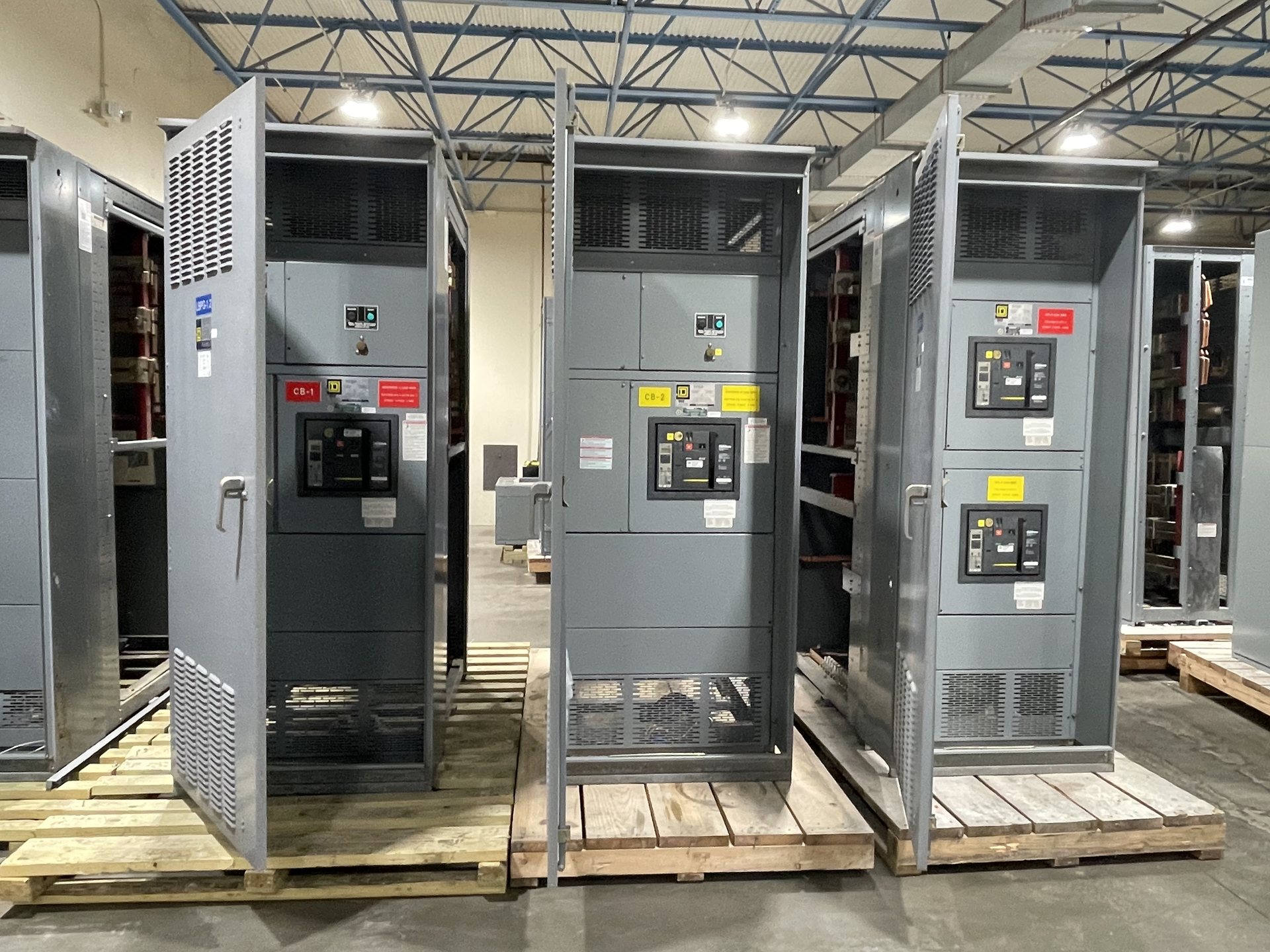
Begin the RFP with the project name, site location, procurement contact, bid due date, and a concise description of the requested assembly. Identify whether the requirement is a new switchboard, a replacement assembly, or new retrofit components intended for a specific existing lineup. State the quantity, intended service, indoor or outdoor application, and any known constraints on dimensions, access, connections, or installation. Make clear that the proposal is for new equipment and new retrofit components only.
Separate manufacturer scope from work by others. Specify whether the offer should include design coordination, drawings, equipment supply, factory testing, shipping, or field services, and identify any requested services that must be separately priced. For retrofit work, provide the existing equipment make and model if known, nameplate information, photographs, dimensions, and interface details. Ask bidders to flag compatibility assumptions rather than treating an incomplete description as confirmation of fit.
Provide the Technical Design Basis
Include the one-line diagram and state the electrical system characteristics needed for a meaningful proposal: nominal voltage, phase and frequency, available fault-current information, main and feeder arrangements, and the operating configuration. Identify required continuous-current and interrupting or withstand capabilities where established by the project design. Note grounding method, neutral requirements, metering, protective devices, control power, communications, and any specified coordination or selectivity objectives.
Describe construction and interface requirements that affect the assembly, including enclosure environment, access, cable entry and exit, bus connections, finish, and space limitations. Attach applicable drawings, equipment schedules, specifications, and approved deviations from the project standard. If the project requires American components, state that requirement and ask the supplier to identify component origin and any exceptions in its offer. Component origin and domestic-content requirements must be confirmed for the quoted configuration; do not treat a supplier statement as independent verification or a certification of regulatory compliance.
Issue a Complete Bid Document Package
Give all bidders the same current revision of the project documents. A useful package typically includes the electrical specifications, one-line diagram, relevant plans and elevations, panel or feeder schedules, site and environmental information, interface drawings, and project-specific commercial terms. Identify document revisions and list addenda separately so respondents can acknowledge exactly which information they used. If a document is preliminary, label it accordingly and explain when the final design information is expected.
Provide a controlled channel for questions and distribute material answers to every invited respondent. Set a deadline for questions that allows the design team to review technical issues before proposals are due. When an answer changes the bid basis, issue it as a written addendum with a revised document or clear instruction. This process limits divergent assumptions about dimensions, ratings, accessories, existing equipment interfaces, and responsibilities that could otherwise make proposals difficult to compare.
Standardize the Proposal and Bid Forms
Use a bid form that requests a clear base offer and separately identified options. Ask for the proposed equipment description, manufacturer and model information where applicable, included accessories, deviations, unit or extended pricing as appropriate, and any separately priced services. Request a completed compliance matrix that answers each specification item as compliant, exception, or clarification required, with a reference to the proposal page or supporting document.
The commercial response should state quotation validity, payment assumptions, shipping basis, taxes or other exclusions, and the proposed delivery estimate, subject to project review and confirmation. Ask respondents to identify the schedule basis and information or approvals needed to maintain it. Request disclosure of component-origin assumptions, applicable standards, proposed listing status for the configuration, and available test documentation. UL 891 applies to switchboard assemblies; listing and standards must be verified for the specific configuration rather than presumed from a general description.
Set Schedule, Submittal, and Testing Expectations
Work backward from the project’s required on-site date and identify key milestones: purchase order, approved drawings, release to manufacture, submittal review, manufacturing, inspection or testing, and shipment. Ask the manufacturer to show the assumptions behind its proposed schedule, including the effect of incomplete specifications, late approvals, design changes, or component availability. Do not present a requested date as a guaranteed delivery date; confirm the current schedule with the supplier during quotation and order review.
Define the submittal package and review cycle, including the drawings, equipment data, wiring information, and other documents needed for coordination and approval. Describe the factory testing scope requested, who may witness it, notice requirements, records expected, and how exceptions will be handled. Ask the bidder to identify included tests and any optional or separately priced activities. Test documentation and the applicability of standards depend on the quoted configuration and should be confirmed before award.
Control Exclusions and Clarifications Before Award
Require a dedicated exclusions and assumptions schedule rather than relying on general proposal notes. Ask each respondent to identify omitted equipment, field installation, terminations, external wiring, civil work, permits, commissioning, special inspections, and other work outside its offer. For retrofit components, ask the bidder to list the existing-equipment information it relied on and any site verification, dimensional confirmation, or interface review still required. Distinguish a technical exception from a commercial exclusion so each can be reviewed by the right team.
Establish how clarifications will be submitted, answered, and incorporated into the final offer. Keep a written log of each open item, its owner, response, and resolution, then request a revised proposal when the answer changes scope, price, or schedule. Before award, reconcile the compliance matrix, drawings, bid form, exclusions, and clarifications into one agreed basis of supply. Ask for pricing on the final configuration and confirm engineering, availability, component origin, standards, listing, lead time, and test records for that specific quotation.