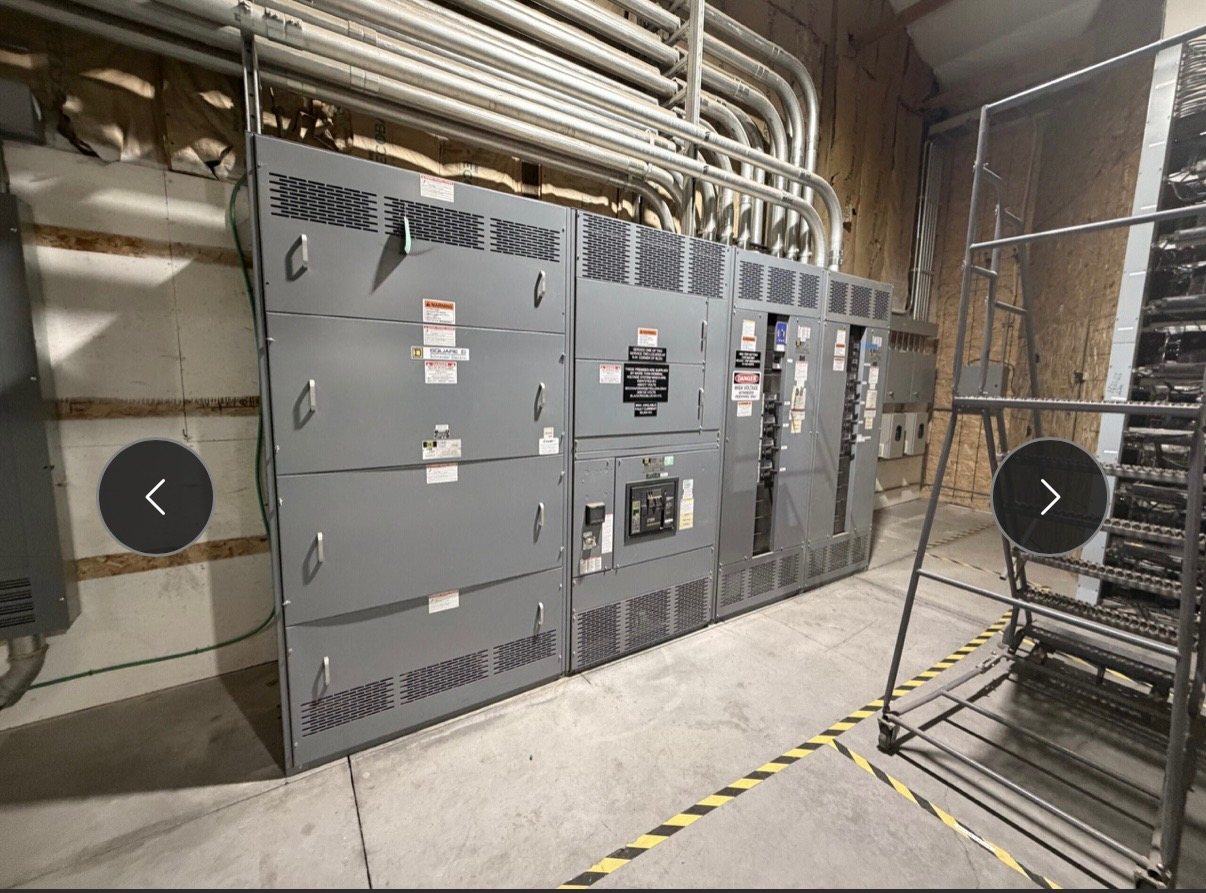
Define the FAT Scope Before the Build Is Complete
Start with the approved equipment schedule, one-line diagram, control schematics, specifications, and purchase requirements. Identify each assembly, section, cubicle, or new retrofit component covered by the FAT, using project tags or drawing references. The team should also record document revisions and any approved deviations. This makes the test boundary clear and reduces the risk of inspecting a configuration that no longer matches the purchaser’s current design.
Agree in writing which inspections and tests are included, who performs them, which criteria govern acceptance, and what happens if an item does not meet those criteria. Distinguish routine manufacturer checks from project-specific demonstrations requested by the purchaser. Where requirements conflict or are unclear, resolve them before testing rather than relying on an informal interpretation at the witness session.
Set Witness Points and Attendee Responsibilities
A witness plan should mark each activity as a purchaser witness point, purchaser review point, or manufacturer inspection, and state when notice is required. Specify whether attendance is in person or remote, who may accept results, and how an authorized representative can document comments. Include practical arrangements for reviewing drawings, identifying test instruments or records, and keeping the assembly’s identity traceable throughout the session.
Agree on how schedule changes, late comments, and missed witness points will be handled. The plan should say whether work may proceed after the agreed notice period if a witness cannot attend, and how that decision is recorded. A witness observes the agreed scope; attendance alone does not transfer design responsibility or replace the purchaser’s review of the final records and deviations.
Use Procedures Matched to the Configuration
The procedure should name the equipment under test, applicable drawing and specification revisions, inspection sequence, acceptance criteria, and result fields. Depending on the quoted configuration and project requirements, the planned checks may address workmanship, nameplates and markings, mechanical operation, wiring against approved diagrams, and specified control or functional checks. The plan must identify which operations are included and which are not, rather than implying that every possible test applies to every assembly.
For each test, state the method, pass or fail criterion, instrument information when relevant, and how abnormal results will be handled. Confirm in advance whether project-required procedures or customer forms must be reviewed for feasibility. Applicable standards depend on the equipment and configuration; UL 891 is a switchboard standard, not a blanket designation for all switchgear. Verify applicable standards and any listing requirements for the specific assembly.
Control Changes, Exceptions, and Retesting
When an inspection finds a discrepancy, document the equipment identifier, requirement, observed condition, disposition, and responsible reviewer. Do not treat an open comment as accepted simply because the FAT session has ended. The parties should agree whether correction, engineering review, or a formal deviation is needed, and identify which approved drawings or procedures must change before the record can be closed.
Define in the plan how corrected items will be verified and whether the correction requires repeating part of the test or a broader sequence. Record the retest method, result, date, and reviewer, linking it to the original finding. Changes made after FAT should also be controlled: identify their effect on tested functions and documentation, and determine whether additional verification is warranted before shipment.
Deliver Traceable Acceptance Records
The acceptance package should make it possible to understand what was reviewed and what the results mean. Depending on the agreed scope, records may include the signed test plan, equipment identification, drawing revisions, completed inspection and test forms, instrument details where applicable, witness signoffs, and a list of exceptions with dispositions. State whether results are individual measurements, observations, or pass/fail outcomes so that reviewers do not infer evidence the procedure did not collect.
Set the record format, delivery timing, approval route, and document retention expectations before testing. Identify who can approve a deviation and whether purchaser approval is required for closure. Acceptance should refer to the stated criteria and scope, not to general suitability for every installation condition. Required listing documentation, standards evidence, and test records must be confirmed for each configuration and quotation; FAT records do not by themselves establish every regulatory or contractual requirement.
Keep FAT Separate from Site Commissioning
FAT verifies only the agreed checks on the new equipment or new retrofit components within the manufacturer’s test boundary. It cannot verify shipping condition after dispatch, field connections, compatibility with installed equipment, site grounding, control interfaces beyond the tested scope, or readiness for energization. The purchaser and project team should assign these matters to the appropriate site inspection, installation, and commissioning plans.
Define the handoff clearly: identify the records supplied by the manufacturer, the documents and checks expected from the site team, and any interface information needed for commissioning. Installation, servicing, testing, and energization require qualified personnel working under approved procedures and applicable requirements. A project-specific FAT plan supports a controlled handoff; it does not replace site safety reviews or commissioning acceptance.