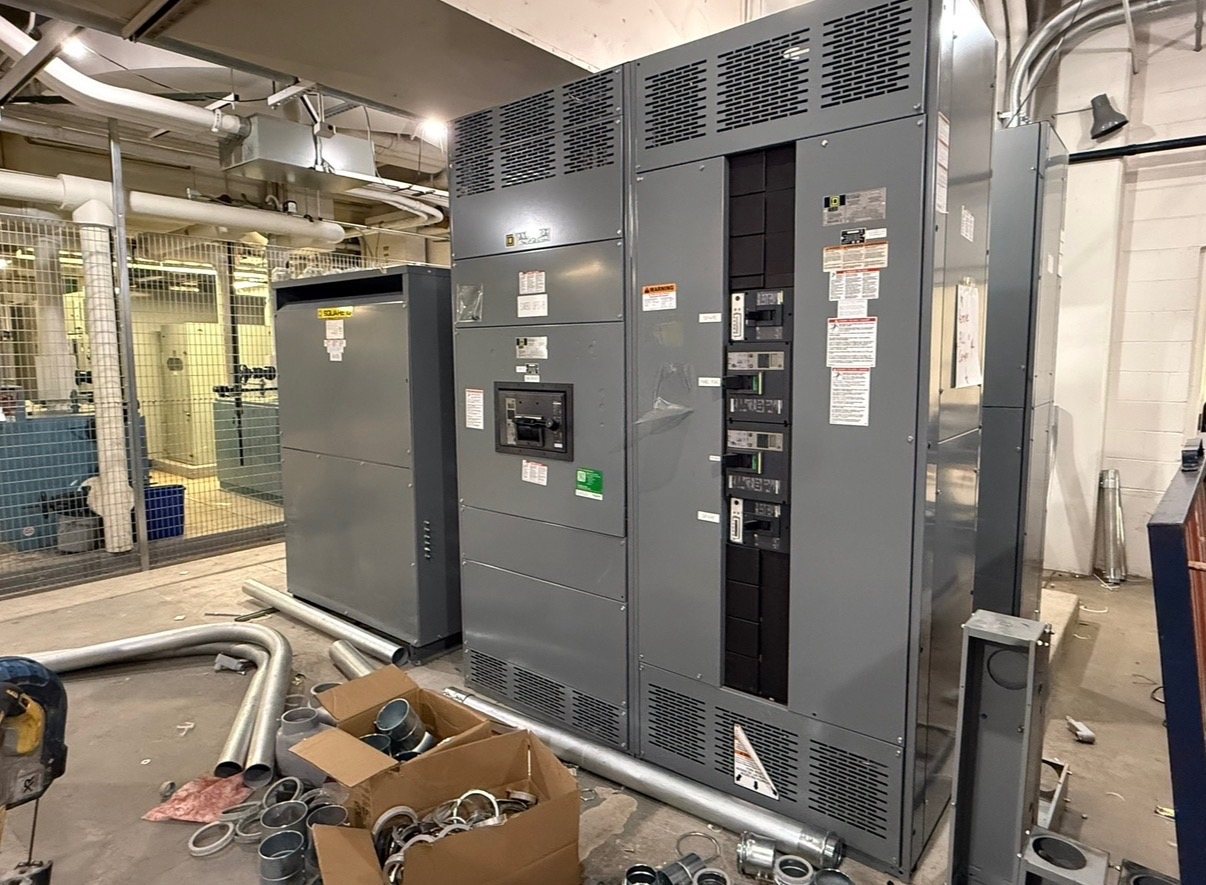
What Manufacturing-Stage Tests Cover
Manufacturing checks are planned around the equipment supplied, its approved drawings, and the project requirements. They may include visual inspection, mechanical operation checks, electrical tests, and functional verification. These activities are distinct from field commissioning and do not replace installation inspections or acceptance procedures at the jobsite. Before quotation, identify which assemblies and components are included, the required standards, and the records expected at delivery.
For Texas projects and shipments elsewhere in the United States, provide the one-line diagram, equipment schedules, control schematics, and applicable specifications when requesting pricing. Flag required ratings, protective devices, metering, interlocks, and interface points. We review the proposed scope as the manufacturer; the quotation should clarify which checks are applicable, what documentation can be provided, and whether any requested test or inspection needs separate engineering review.
Visual Inspection Against the Approved Build
Visual inspection can compare the completed assembly with approved drawings and project-specific requirements. Review points may include enclosure and compartment arrangement, bus and component placement, device identification, nameplates, wiring workmanship, barriers, and specified accessories. The inspection criteria should be agreed before production so that a discrepancy is judged against the correct revision, rather than an earlier drawing or an assumption that is not part of the contract.
Useful purchasing questions include whether inspection records will identify the drawing revision, whether deviations require written approval, and which labels or markings must be present. Provide naming conventions, circuit schedules, and any required document format early. For new retrofit components, define the intended equipment interface and the information available about the existing assembly; visual checks of the new component cannot establish the condition or compatibility of unrelated existing equipment.
Mechanical Checks and Operating Devices
Mechanical checks may examine the operation and fit of doors, covers, drawout devices, handles, and specified interlocks, as applicable to the design. The goal is to confirm that the supplied mechanisms behave as intended under the manufacturer’s approved procedures. The exact checks depend on the equipment and options selected; they should not be inferred from a generic test list or treated as a guarantee about field conditions after transport and installation.
To scope these checks, identify the device types, operating positions, interlock sequences, and accessories shown in the approved design. If the project depends on a particular coordination sequence, include that sequence in the specification and request written confirmation of the applicable verification. Mechanical checks during manufacture are not authorization for unqualified operation. Installation, service, testing, and energization must be handled by qualified personnel under approved procedures.
Electrical Tests: Applicable Routine Scope
Electrical checks may be applicable to verify aspects of the completed assembly, such as wiring continuity, insulation characteristics, or circuit connections, subject to the equipment design, governing requirements, and approved test procedure. The term routine test should be used only where the applicable product standard or project specification defines the test and its scope. It does not mean every possible electrical performance condition has been tested on every unit.
Ask which standard and edition govern the equipment, which tests are applicable to the quoted configuration, and what pass criteria and records will be supplied. State any project-specific documentation needs before approval, including identification of the assembly and test procedure. UL 891 applies to switchboards, not as a blanket standard for all switchgear. Listing and applicable standards must be verified for the particular configuration; do not assume a specific assembly is listed.
Functional Verification and Control Interfaces
Functional verification may address control circuits and specified operating sequences, such as indications, control-device response, or interlock logic, where those features are part of the supplied scope. The project must define the intended sequence and interfaces clearly enough for the manufacturer to review what can be checked in the factory. Field wiring, external devices, network connections, and site conditions may affect functions that cannot be fully verified within the manufacturing scope.
Provide control schematics, sequence descriptions, device schedules, and interface responsibilities with the submittal package. Identify which signals are simulated, which external equipment is excluded, and whether the requested records should reference each function. For retrofit components, distinguish the new component’s checks from integration tests involving existing gear. Do not treat a factory functional check as commissioning or as proof that a complete installed system will operate as expected.
Routine, Type, and Witness Tests
Routine tests are generally associated with checks performed on individual manufactured units when required by the applicable standard or specification. Type tests establish design performance through testing of a representative design under defined conditions; they are not necessarily repeated on each production assembly. Ask for the exact test basis and supporting documentation if type-test evidence is a project requirement, and confirm that the tested design is applicable to the configuration being quoted.
A witness test is an agreed observation opportunity, not a separate category that automatically changes the test procedure or acceptance criteria. State whether a customer or third-party witness is requested, which checks are to be observed, and when notice and document review are needed. Witness availability, scheduling, and any associated scope must be confirmed for each quotation. Clarify in writing how observations, exceptions, and approval are recorded before manufacturing proceeds.
Test Records, Exceptions, and Release
Test documentation should make the tested equipment identifiable and connect results to the agreed scope. Depending on the project, records may reference the assembly designation, drawing revision, applicable procedure, checks performed, and disposition of observed exceptions. Confirm the deliverable list during procurement rather than assuming that every test produces the same report or that a particular form, certificate, or level of detail is included.
Before release, purchasing and engineering teams can verify that required records are complete, open deviations have an agreed disposition, and approved drawings match the delivered configuration. Request pricing with the applicable standards, test scope, witness requirements, and documentation needs clearly stated. Component origin, availability, engineering, lead time, and test records are confirmed for each quotation; specifying American components does not itself establish independent domestic-content compliance.