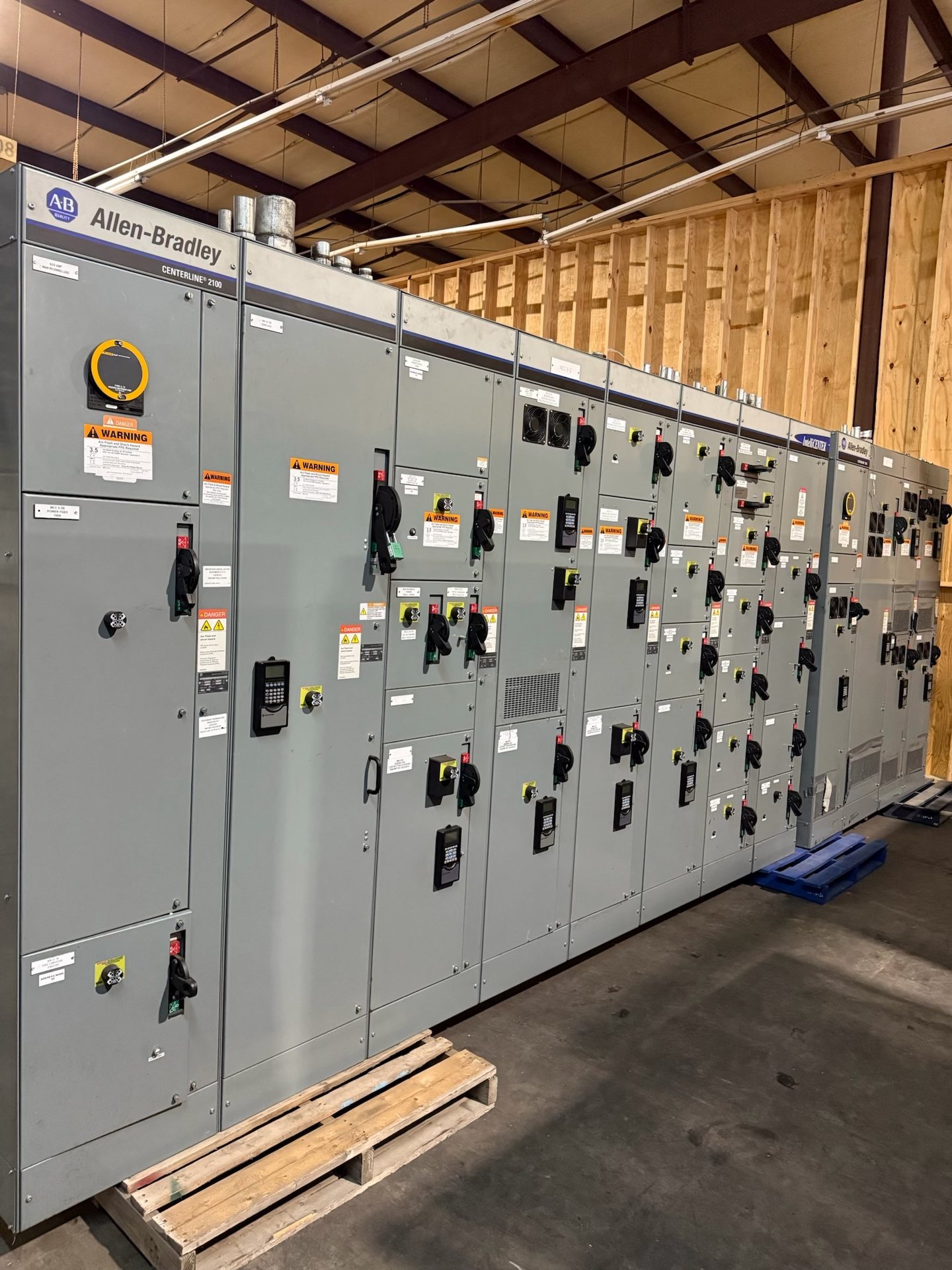
Choose Drawout or Fixed Devices Around the Maintenance Task
Drawout devices can support removal or inspection without dismantling the entire assembly, but their usefulness depends on the actual maintenance task, clearances, handling method, and the manufacturer’s device and compartment design. Ask which devices are drawout, what positions are provided, what mechanical interlocks apply, and whether the owner expects to exchange a device or send it for service. Confirm that the selected arrangement fits the operating and maintenance procedures planned for the site.
Fixed devices may suit applications where routine replacement is not expected or where a simpler assembly arrangement is preferred. They can require more disassembly or a broader outage when a device needs replacement, so evaluate that consequence before specifying them. Compare the anticipated service work, outage coordination, available space, and qualified staff capabilities. The quotation should identify the proposed construction clearly; do not assume that a particular device is drawout or field-removable unless the configuration confirms it.
Resolve Service Access and Working Clearances
Maintainability depends on the installed room as much as the switchgear lineup. Provide room plans, equipment orientation, wall and door locations, adjacent equipment, cable entry details, and any restrictions on moving a device. Ask which covers, barriers, and compartments require access for the planned inspection or replacement, and whether the service approach is from the front, rear, or both. Confirm that the building layout preserves the required working space under the applicable project and electrical requirements.
Also consider the route for bringing replacement equipment into the room. Door openings, corridors, thresholds, overhead obstructions, turning areas, and floor capacity may limit movement even when the lineup fits its final footprint. Identify who will coordinate access during future work and whether nearby equipment must remain operating or be isolated. These details help us review the specified arrangement and identify questions for the project team before the equipment configuration is finalized.
Specify Isolation and Safe Maintenance Boundaries
Describe how maintenance will be performed and what portions of the assembly must be isolated for each task. Relevant design questions may include device disconnect provisions, compartment separation, barriers, interlocks, and the boundary between equipment that is being serviced and equipment intended to remain in service. The appropriate choices depend on the system design, operating procedures, applicable requirements, and the owner’s risk controls; no single feature substitutes for an approved isolation and safety program.
Give the manufacturer the project one-line diagram, system voltage and current requirements, source and load arrangement, and any required isolation or continuity objectives. Explain whether planned work involves routine inspection, device exchange, or testing, and identify constraints on outages. We can evaluate those inputs against the requested new-equipment configuration. Installation, servicing, testing, and energization must be performed by qualified personnel under approved procedures; this page is not a live-work instruction.
Plan Replacement Parts Without Assuming Future Availability
A maintainable purchase includes a parts strategy. Ask which components the owner expects to replace during normal service, which identifiers will be needed to order them, and what records should be retained for future reference. Request the proposed equipment description, device and component identification, drawings, and applicable operation or maintenance information as part of the quotation and closeout expectations. Confirm the scope of documentation available for the specific configuration rather than assuming a standard package.
Specify new equipment and new retrofit components only. If a future replacement component must fit an existing assembly, provide the original nameplate information, drawings, photographs, device identifiers, and known modifications so compatibility can be reviewed. A retrofit component is not automatically interchangeable simply because dimensions appear similar. Engineering review, component origin, availability, and lead time require confirmation for each quotation, so avoid building a maintenance plan around unverified future stock or a guaranteed replacement date.
Make Testing Access and Documentation Part of the Scope
Testing needs vary by device, protection scheme, and owner program. Identify which routine or commissioning tests are anticipated, what equipment or test connections may be required, and whether access to terminals, instruments, or compartments affects the proposed design. Provide the relevant control diagrams, protection requirements, and project specifications. This allows the configuration to be reviewed for the intended access without assuming that a particular test feature is included in every assembly.
State what test records, inspection records, and equipment documentation the purchasing team needs to receive, and when those records are required. Ask which tests and documents are included in the quoted scope and which depend on project approval or separate arrangements. Applicable standards and any listing must be verified for the exact configuration; UL 891 applies to switchboards and is not a blanket listing for all switchgear. Test activities require qualified personnel and approved procedures.
Align the Purchase With the Owner’s Maintenance Program
Before requesting pricing, describe the owner’s maintenance model: planned outage frequency, in-house capabilities, contractor support, spare-device policy, recordkeeping needs, and the expected service life of the installation. Clarify whether operators need access to particular indicators or compartments and how maintenance work is coordinated with other loads. These operating details help distinguish useful maintainability features from options that add complexity without serving the owner’s actual procedures.
For a Texas project, share the project location and delivery constraints so the shipping requirements can be reviewed. We serve Texas from the United States and ship nationwide. Include required delivery timing, submittal milestones, approved component preferences, and project documentation needs in the pricing request. We build to specification using American components when specified, but domestic-content compliance is not certified by that statement and must be addressed in the project requirements and quotation.