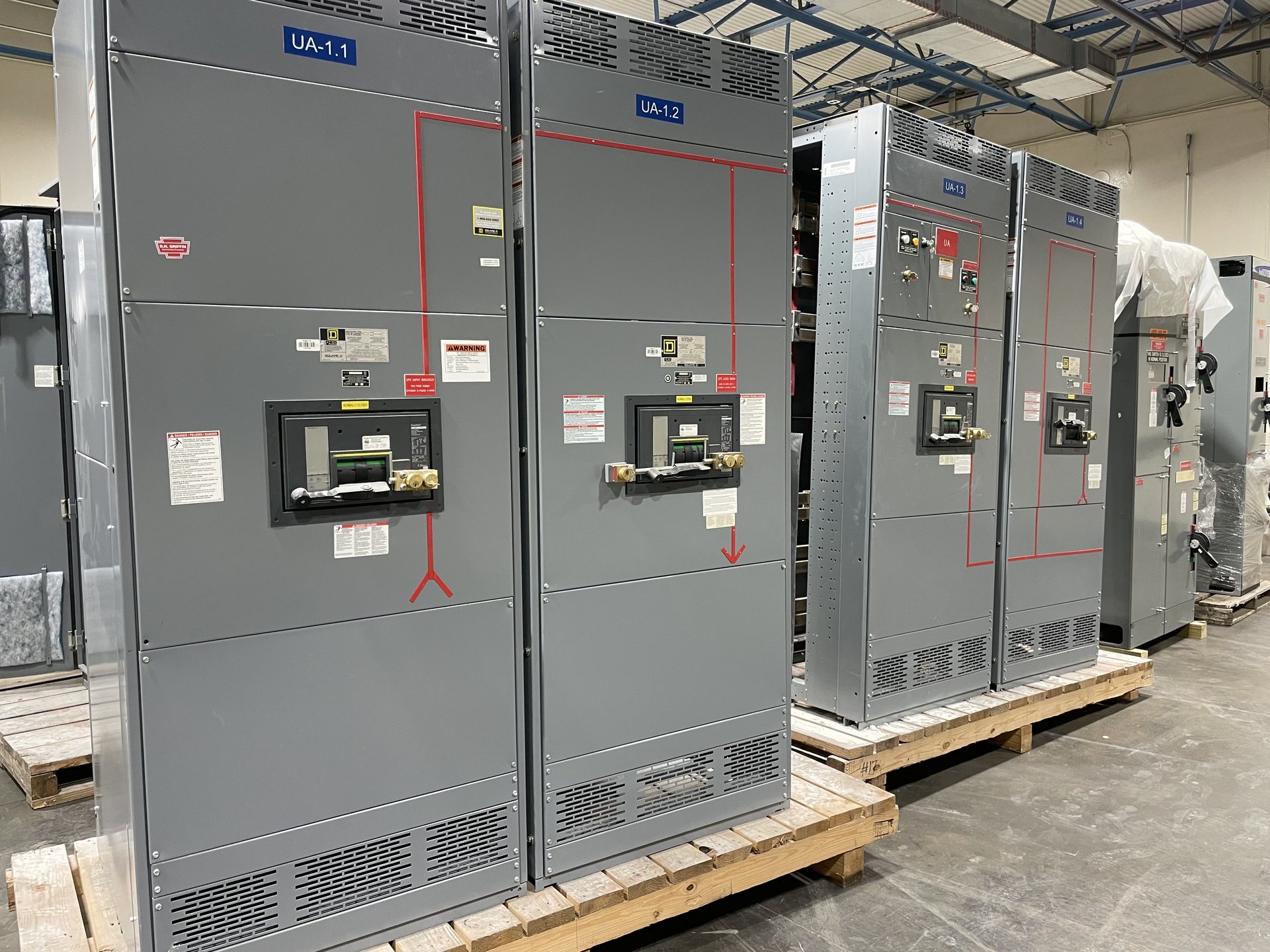
Establish What the Existing Equipment Can Support
Begin by identifying the equipment type, manufacturer and model where known, service voltage, ratings shown on nameplates, installation age if documented, and the function of each section. Record visible concerns such as corrosion, contamination, heat discoloration, damaged insulation, missing barriers, or evidence of water intrusion. These observations help define questions for a qualified site assessment; they are not a substitute for inspection or a determination that equipment is safe to operate.
The key feasibility question is whether the existing assembly can remain part of the design without creating unacceptable operational or engineering risk. Ask which sections, bus arrangements, protective devices, and cable interfaces the owner expects to retain, and whether any condition reports or maintenance findings support that decision. If records are incomplete or condition is uncertain, treat the affected equipment as an open scope item rather than assuming reuse will be practical.
Gather the Records Needed to Define Scope
Collect one-line diagrams, switchgear elevations, control schematics, wiring diagrams, equipment schedules, nameplate photographs, and prior modification records. Useful additional documents may include protection settings, short-circuit and coordination studies, arc-flash documentation, maintenance reports, and operating procedures. Note each document’s revision date and whether it reflects field conditions. A bid based on outdated drawings can miss changed connections, device substitutions, or site constraints that affect replacement design.
Ask the owner to identify gaps and resolve conflicting information before bid scope is finalized. For each uncertainty, specify what must be verified, who will provide that information, and whether the quotation should include an allowance or exclude the affected work. Include the required submittals and closeout records in the request for pricing. Documentation expectations should be explicit, because drawings, test documentation, and other deliverables depend on the quoted configuration and must be confirmed.
Check Replacement Device and Interface Compatibility
A replacement device is not compatible simply because its nameplate ratings appear similar to those of the existing device. Compare the required electrical ratings and protective functions along with mounting, primary and secondary connections, control voltage, auxiliary contacts, interlocks, shutters, and cell or compartment geometry. Ask whether the intended solution is a new device fitted to an existing assembly or a new switchgear section, and identify the interface information needed to evaluate either approach.
Provide manufacturer and model details, dimensional drawings, connection diagrams, and photographs when available. If the original manufacturer’s documentation cannot be found, record the dimensions and interfaces that can be confirmed by qualified personnel. Do not assume that an adapter or a field modification will preserve the assembly’s intended performance. We can review a proposed scope for new retrofit components or new equipment, but feasibility and configuration require project-specific engineering review.
Make Outage and Cutover Limits Explicit
Document the maximum outage window, permitted shutdown dates, affected loads, available redundancy, and any loads that cannot be interrupted. Clarify whether the work must occur in one outage or can be divided into planned phases. These constraints can determine whether a device-level retrofit is worth evaluating, whether replacement sections are needed, and how much prefabrication or interface planning is required before the equipment reaches the site.
Ask who controls switching and outage approval, what access or sequencing restrictions apply, and what temporary arrangements the owner will permit. Do not presume that temporary power is available or that a proposed cutover duration is achievable without site review. Installation, testing, servicing, and energization must be performed by qualified personnel under approved procedures. For pricing, identify contractor responsibilities and distinguish equipment supply from field labor, installation, and commissioning.
Align the Design With Owner Risk Tolerance
Owners may weigh service continuity, future maintainability, physical fit, schedule exposure, and capital scope differently. Ask which risks are unacceptable: reliance on undocumented interfaces, retaining aging sections, a longer shutdown, limited future expandability, or a more extensive replacement boundary. A written priority order helps the design team compare options on consistent assumptions rather than treating the lowest initial equipment scope as the only decision criterion.
Separate known facts from assumptions in the bid package and have the owner approve material assumptions before award. If condition, dimensions, protection requirements, or access remain unresolved, explain how each item could affect scope and request a decision or verification step. We supply new equipment and new retrofit components only. The owner and project engineer determine acceptable system design, retained equipment, field work, and operating risk.
Build a Comparable, Reviewable Bid Package
A useful request for pricing defines the existing equipment, modernization boundary, requested new equipment or retrofit components, required ratings, interface data, and known site limitations. State whether the design basis is preliminary or approved, list the drawings and reports provided, and identify missing information. Ask bidders to call out exclusions, assumptions, required customer-supplied data, and deviations so proposals can be evaluated against the same scope.
For a UL 891 switchboard assembly, identify that requirement where applicable and ask that the proposed configuration and applicable standards be verified during review. UL 891 is a switchboard standard, not a blanket listing for every switchgear assembly. Confirm component origin requirements, submittal expectations, testing documentation, and schedule assumptions for the particular quotation. We build to specification using American components as requested; origin and any compliance requirements must be confirmed, not presumed.