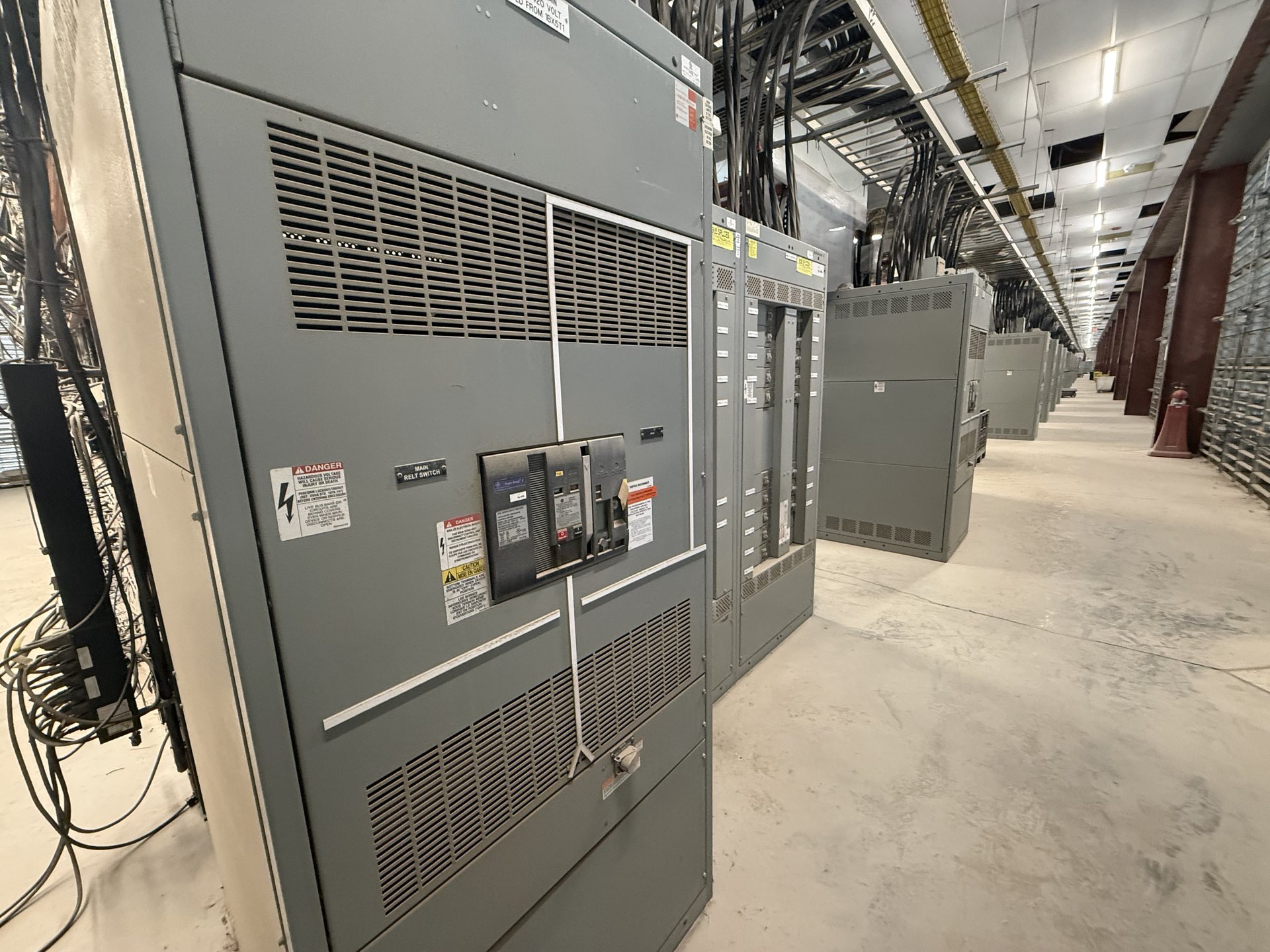
Define the modernization boundary before specifying equipment
A modernization scope may replace obsolete protective devices, controls, metering, or complete sections while retaining selected parts of an existing lineup. Start by identifying the assembly’s make, model, service role, electrical ratings, construction, and known modifications. Then mark each section and component as retain, replace, or investigate. This makes the request actionable and helps prevent a new component from being specified without confirming that it fits the intended application.
Clarify whether the project requires a component-level replacement, a new section intended to integrate with existing equipment, or a broader replacement of the assembly. Identify operational constraints, planned outage windows, access limitations, and whether existing loads or downstream connections must remain unchanged. A request for pricing should include the modernization objective and known site constraints; feasibility, configuration, availability, and lead time are confirmed through project review.
Assess existing bus and connection interfaces
Retaining existing bus requires more than confirming its nominal rating. Provide available drawings and details on bus arrangement, material, dimensions, joint locations, supports, barriers, and connections to incoming and outgoing conductors. Note signs of overheating, corrosion, contamination, mechanical damage, or prior alteration. These details help determine whether a proposed new section or retrofit component can interface with the retained assembly or whether replacement boundaries should be reconsidered.
The interface review should also account for phase arrangement, grounding and bonding provisions, compartment dimensions, cable entry, and the physical route for conductors. Photographs can supplement drawings, but should be labeled by section and orientation and do not replace measured information where fit is critical. Do not assume that equipment with similar ratings or a similar appearance is interchangeable. The final interface and design requirements must be established for the specific configuration.
Review insulation and enclosure condition
Insulation condition can affect whether modernization is limited to controls and protective devices or requires replacement of a larger portion of the lineup. Gather maintenance records and inspection findings, including evidence of moisture, dust, tracking, cracking, contamination, or heat exposure. Identify the insulation materials and barriers if known, and describe environmental conditions such as humidity, airborne contaminants, or unusual temperature exposure that may influence the design review.
Existing enclosure condition matters too. Record corrosion, damaged doors or covers, compromised barriers, missing hardware, and space constraints around the switchgear. A new component cannot correct deterioration in retained insulation or enclosure parts. The scope should distinguish what will remain in service from what will be replaced and identify any condition that requires evaluation by qualified personnel. Installation, inspection, and energization must follow approved procedures and be performed by qualified personnel.
Coordinate protection and control changes
When replacing protective devices or controls, document the existing protection scheme and the intended operating functions. Provide available one-line diagrams, device information, current settings where authorized, control schematics, trip and close requirements, interlocking logic, metering needs, and communications interfaces. State whether the modernization is intended to preserve established functions or introduce changes so the design review can identify dependencies between the new components and retained equipment.
Protection changes can affect coordination with upstream and downstream devices, fault response, and system operation. Provide applicable study assumptions, system data, and owner or engineer criteria, and identify who is responsible for reviewing or approving revised settings and logic. We manufacture to the agreed specification; project-specific protection engineering and compatibility must be addressed during review. Do not treat a device’s physical fit as confirmation that its electrical functions or settings are suitable.
Build the quotation package around usable records
Useful pricing and engineering records include the existing equipment nameplate information, one-line diagram, section elevations, wiring diagrams, connection details, equipment schedules, and photographs of relevant compartments. Include a marked scope showing retained and replaced items, required interfaces, operating requirements, and any site-specific dimensional limits. If records conflict or are incomplete, identify the uncertainty rather than assuming the original design. That distinction helps focus follow-up questions before a configuration is proposed.
Also identify the requested deliverables, such as arrangement drawings, wiring information, component data, or documentation needed for review and closeout. Required test documentation and its acceptance criteria should be stated for the specific project and confirmed with the quotation. We supply new equipment and new retrofit components. Component origin, availability, engineering scope, lead time, and documentation are confirmed for each quotation rather than presumed from a general product description.
Plan procurement, standards, and field integration
Before purchasing, confirm the equipment boundary, interfaces, scope exclusions, approval responsibilities, and the schedule assumptions that affect manufacturing and site coordination. Identify who will verify field dimensions, manage the outage, remove existing equipment, install new components, and approve return to service. For projects in Texas, we serve customers from the United States; shipping arrangements and timing are reviewed for the destination and project requirements.
Specify the applicable standards and approval expectations for the actual assembly and installation. UL 891 applies to switchboards, but it is not a blanket listing for every switchgear configuration; listing status and applicable standards must be verified for the proposed design. Likewise, requesting American components does not by itself establish domestic-content compliance. State any project-specific requirements clearly so they can be reviewed, documented where applicable, and confirmed before an order is placed.