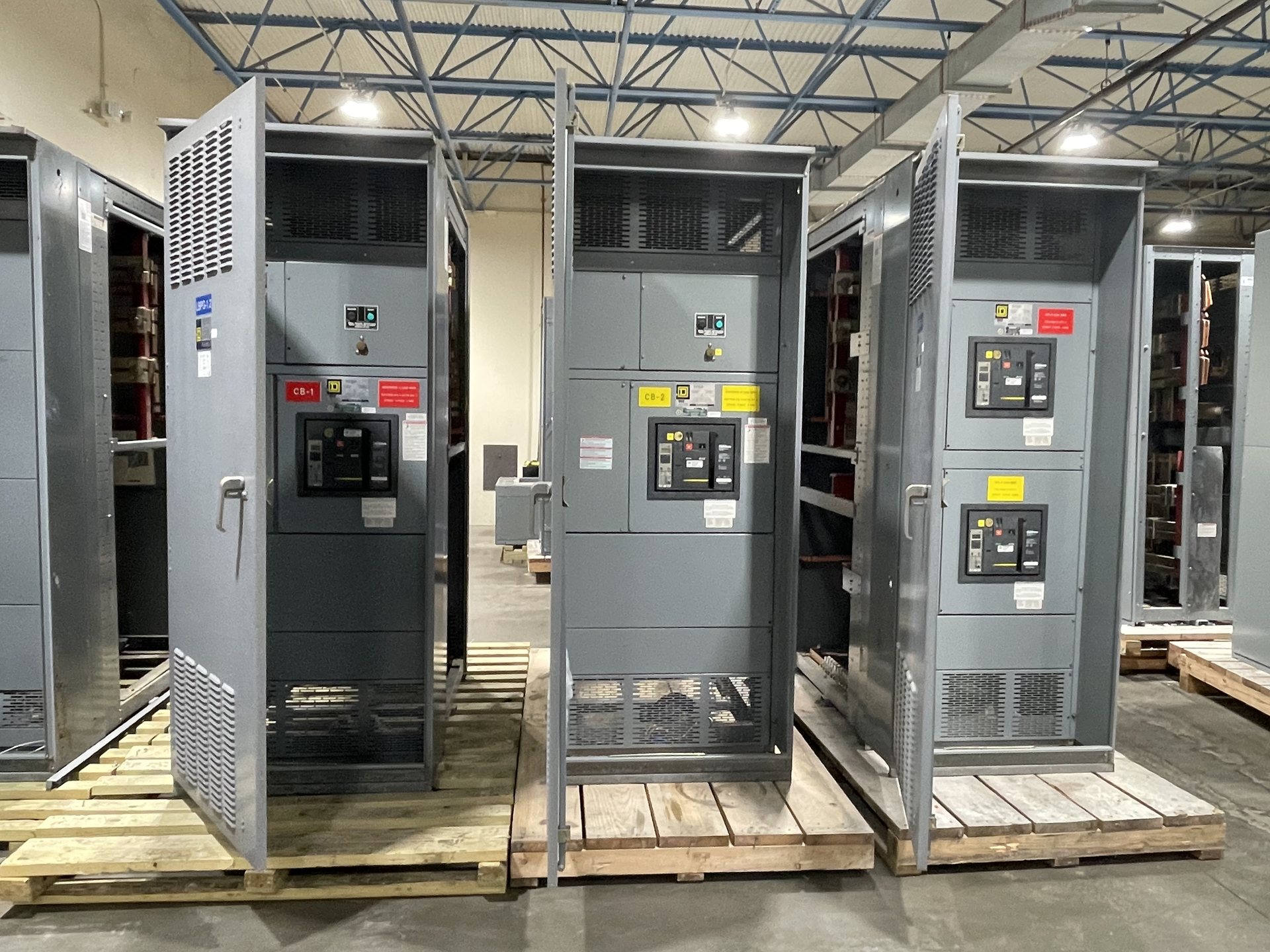
Define Device and Feeder Identification
Device and feeder labels should use the same identifiers shown on the approved one-line diagram, schedules, and related drawings. Provide the exact designation for each breaker, switch, bus section, incoming source, and outgoing feeder, including capitalization, punctuation, and any prefixes. This avoids interpretation during drafting and makes it easier for field personnel to trace a panel or compartment back to the project documents.
Before release, clarify whether identifiers are assigned by electrical function, physical lineup position, equipment tag, or an owner’s asset scheme. State how spare or future provisions should be marked, and identify any repeated names that need a location qualifier. These details matter when multiple sections or similar feeders appear in one assembly. We review the labeling schedule against the supplied documents and flag inconsistencies for resolution.
Coordinate Labels With Approved Drawings
Treat labeling as part of document coordination, not as a final cosmetic decision. The project package should establish which drawing revision governs nameplates and identify who approves changes to device names, feeder destinations, and equipment tags. If the one-line diagram, panel schedule, and control drawings use different references, select the controlling convention before manufacturing documents are finalized.
A useful review package includes a label schedule or marked-up drawing that maps each proposed inscription to its device or location. Review spelling, abbreviations, feeder destinations, voltage or source descriptions when specified, and left-to-right or top-to-bottom placement. Confirm that later drawing revisions are routed for review before they affect the build. Availability, engineering details, and documentation included with an order are confirmed for each quotation.
Specify Safety and Warning Labels
Identify the safety markings required by the project documents, owner standards, and applicable requirements for the specified assembly. A label schedule can distinguish required warnings from equipment identification, operating instructions, and informational notices. Supply approved wording where the owner requires exact language; do not rely on a generic warning to communicate a project-specific hazard or operating restriction.
For each safety label, specify its intended location, language, visibility needs, and any required format or symbol convention. The design review should consider whether doors, covers, or normal equipment layout could obscure the marking. Labels do not replace safe work practices, protective measures, or qualified personnel following approved procedures. Installation, servicing, testing, and energization remain the responsibility of qualified personnel working under those procedures.
Capture Owner-Specific Nameplate Requirements
Owner nameplate standards can cover more than wording. They may define tag formats, asset identifiers, abbreviation rules, text layout, material, attachment method, and placement. Include the applicable standard or provide the relevant requirements with the request for pricing. If owner acceptance is required, identify the reviewer and the approval point so the proposed plate schedule can be resolved before production documentation is released.
Separate fixed equipment data from identifiers that are assigned by the owner or project team. Confirm which values and descriptions must appear, their approved source, and whether any information is intentionally omitted. Do not assume that a standard layout satisfies every owner convention. The final scope, engineering, materials, and documentation are subject to project review; specific nameplate details should be confirmed in the quotation and approved submittals.
Plan Labels for New Retrofit Components
For retrofit work, define the boundary between the existing assembly and the new components being supplied. This page applies to new equipment and new retrofit components only. Provide the existing equipment identifiers, relevant drawings, compartment references, and photographs or field records when available. These inputs help establish how new labels should relate to the owner’s established naming scheme.
Ask whether the new component should carry its own identification, match a feeder or device designation already used in the assembly, or include a project-specific reference. Confirm the exact replacement or addition scope and who will verify field conditions. Existing labels may not match current drawings, so identify discrepancies rather than silently reproducing them. Fit, interface, labeling, and documentation requirements must be reviewed against the specific retrofit configuration.
Review Production, Submittals, and Procurement
Include labeling in the submittal review sequence alongside equipment drawings and schedules. Assign responsibility for checking every inscription, location, and drawing reference, and record the approved revision. If a label changes after approval, determine whether related drawings, feeder schedules, and owner records also need revision. This controlled review reduces ambiguity between the supplied assembly and the documents used for installation and future maintenance.
When requesting pricing, provide the lineup scope, applicable drawings, label schedule, owner standards, required safety wording, and requested documentation. Identify any open decisions and the date by which approvals are needed for project coordination; lead time is subject to review and confirmation with the quotation. We manufacture and supply new equipment to specification. Any requested standards, listing, component origin, and test documentation must be confirmed for the exact configuration.