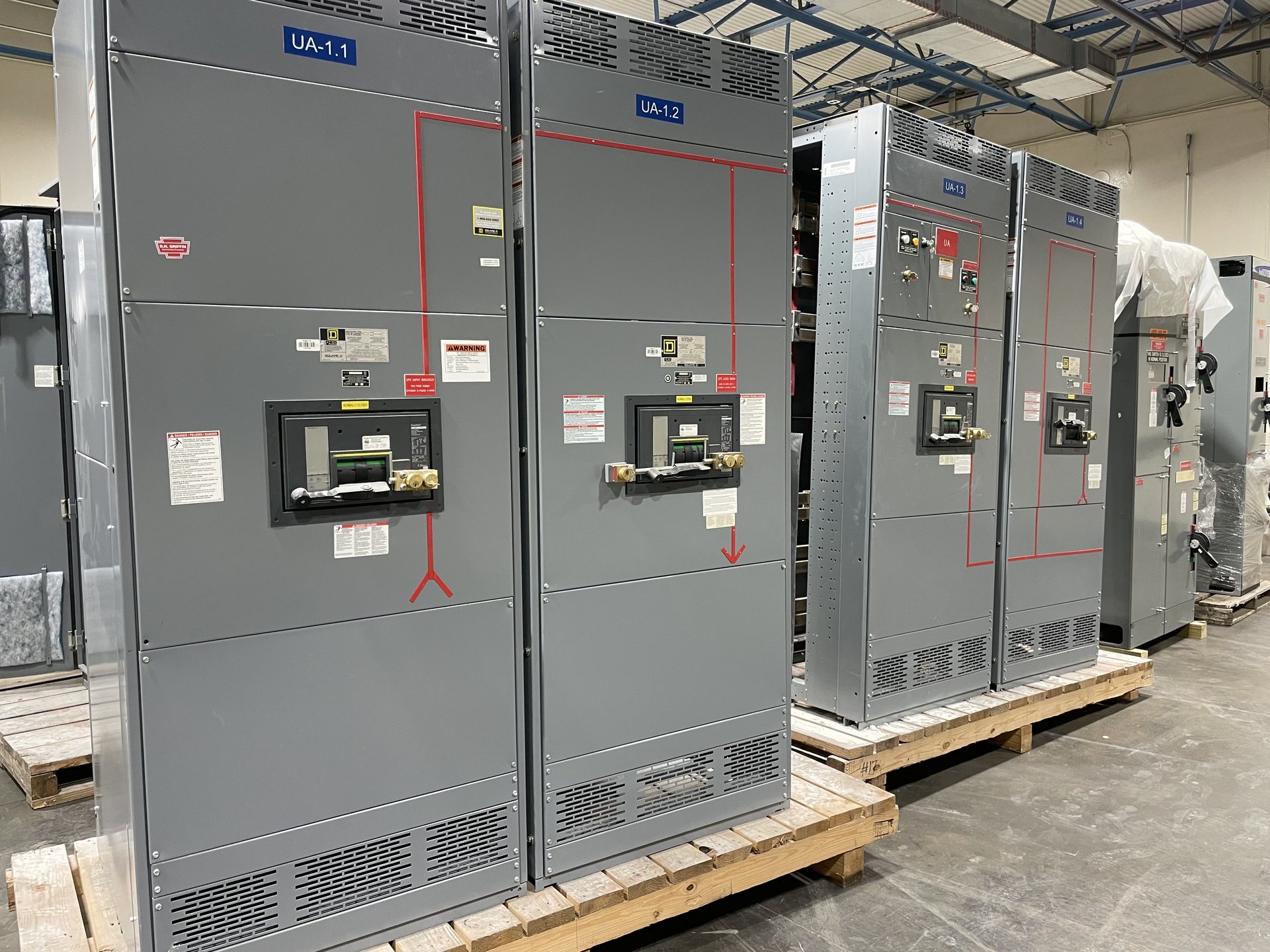
Define inspection points before production
A useful inspection plan identifies what must be checked, when the check occurs, and who is responsible for accepting the result. For a switchboard or other specified assembly, project teams can define review points for approved drawings, incoming components, mechanical assembly, wiring, nameplate information, and final documentation. Not every project requires the same hold points, so the quotation and approved project documents should state which checks are included.
Before release, align inspection criteria with the equipment schedule, one-line diagram, specifications, and approved submittals. Ask whether review is required before material release, before an enclosure is closed, or before shipment, and identify any customer witness or documentation review requirements. The plan should distinguish a production inspection from field acceptance, commissioning, or testing performed under a separate scope by qualified personnel.
Tie materials and components to the approved build
Traceability starts with a clear relationship between the project configuration and the parts selected for it. Depending on the agreed scope, records may identify equipment sections, major electrical components, component catalog or model information, and relevant supplier documentation. These identifiers help reviewers compare the assembled equipment with approved drawings and schedules without assuming that every individual item receives a unique serialized record.
Specify which component attributes matter for acceptance: manufacturer and model, electrical ratings, accessory arrangement, or other characteristics named in the project documents. If American components are required, state that requirement during quotation and confirm the proposed scope and supporting documentation for the specific configuration. Component origin and any domestic-content requirement must be reviewed and confirmed for the quotation; a parts list alone does not certify compliance with a procurement law or program.
Control drawing and revision changes
Inspection is only meaningful against a controlled design baseline. Identify the approved drawing revisions, specification sections, and equipment schedules that production must follow, then establish how changes are reviewed and recorded. A field comment, revised load schedule, or component substitution can affect labels, wiring, clearances, or the expected inspection evidence, so informal instructions should not replace an authorized document change.
Ask how the project team will distinguish current drawings from superseded copies and how approval is documented before affected work proceeds. For each proposed change, review its effect on interface dimensions, connection details, ratings, accessories, and required records. If the project includes a new retrofit component, define its intended interface and the documents needed to verify fit and compatibility; do not assume an existing assembly is included in a new-equipment manufacturing scope.
Identify and resolve nonconforming conditions
A nonconformance is a documented difference between the approved requirement and an observed material, assembly condition, or record. The project should establish a practical route for identifying the issue, separating or otherwise controlling affected work, notifying the responsible reviewers, and recording the disposition. Potential outcomes may include correction, replacement, or an approved deviation, depending on technical review and project authorization.
For useful follow-up, the record should describe the affected item or assembly, the requirement involved, the observed condition, and the decision made. Where correction is authorized, retain evidence appropriate to the issue, such as a revised inspection entry or updated drawing reference. Ask who can approve a deviation and whether the customer must review it before production continues; acceptance should not be inferred from silence or from shipment timing.
Make inspection evidence useful to reviewers
Inspection records should be readable, attributable, and linked to the equipment configuration they cover. Depending on project requirements, the record set may include completed check sheets, drawing revision references, component identification, inspection observations, and documented dispositions. Agree on the format and level of detail before production so that the customer receives evidence suited to its review process rather than an unexplained collection of documents.
For UL 891 switchboard assemblies, confirm the applicable standard, listing requirements, and status for the specific configuration during quotation and design review. UL 891 is a switchboard standard, not a blanket listing for every type of low-, medium-, or high-voltage switchgear. Do not treat a general inspection record as proof of listing or certification. The applicable standards and any required listing documentation should be verified for the assembly being quoted.
Agree on record retention and delivery
Project requirements should state which records are retained, which are delivered, and at what stage they are provided. Confirm whether the customer needs documents with the equipment package, before shipment for review, or in a final closeout set. Also identify the preferred file format, naming convention, equipment identifiers, and any approval workflow. These details reduce confusion when purchasing, engineering, and field teams need to locate evidence later.
Retention duration and access arrangements should be agreed in the project scope rather than assumed to be universal. Ask whether revisions, approved deviations, and replacement-component records must be included in the final package, and whether a customer audit or witness review is required. During pricing, provide the applicable specifications, document index, and traceability expectations so inspection effort, engineering review, and record preparation can be assessed for the exact build.