Transfer the approved configuration, not just a drawing set
Start the handoff with the drawing revision that governs the equipment being supplied. Identify its approval status, date, and any customer comments incorporated after review. Include the applicable one-line diagram, elevations, connection details, bills of material, and control schematics when they are part of the project record. The field team should be able to distinguish approved-for-construction information from preliminary, superseded, or reference documents without relying on email history.
Ask the project team to confirm that equipment identifiers, lineup arrangement, incoming and outgoing connections, accessory selections, and interface points agree across the approved documents. If the building design or adjacent equipment has changed, identify the effect on the switchgear package before installation planning proceeds. We can clarify the scope represented by our supplied equipment, but site conditions and coordination with other trades remain project responsibilities.
Make shipment information actionable for the receiving crew
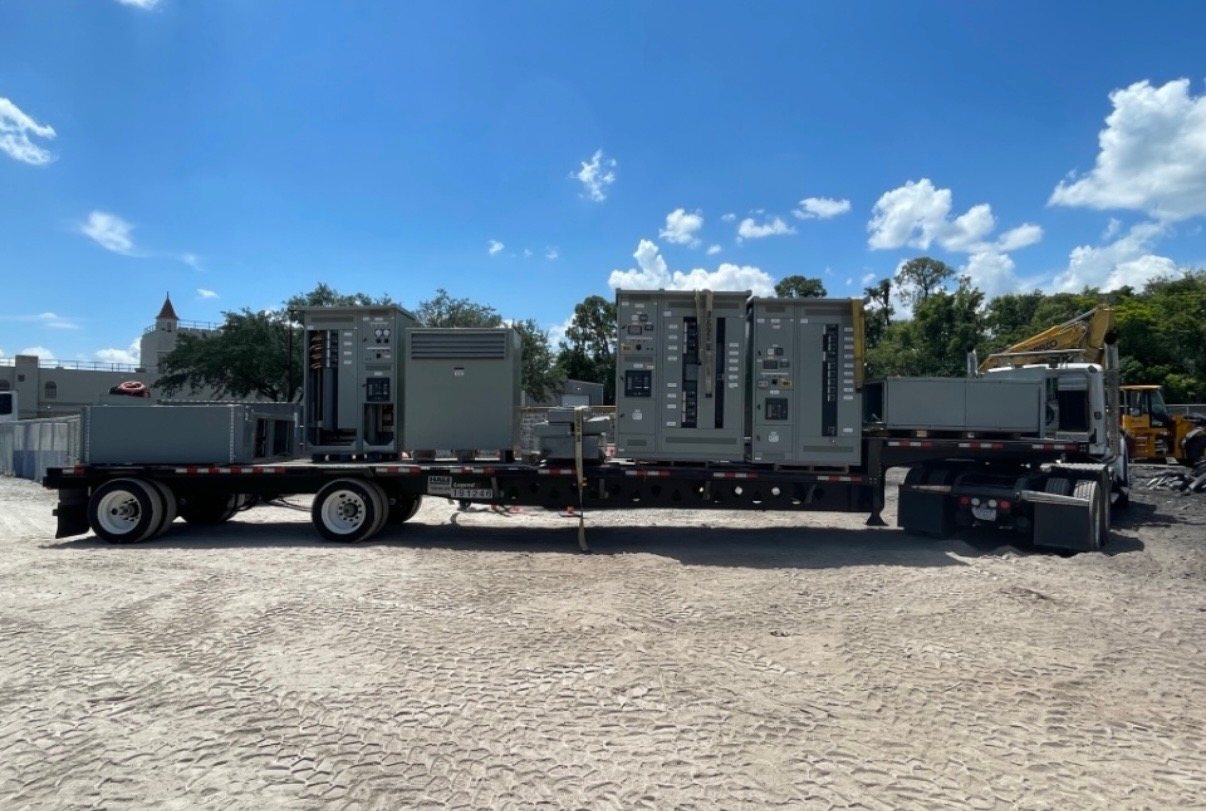
Pass the field team the latest confirmed shipment information and the person responsible for receiving updates. Include the ship-to address, receiving contact, delivery constraints, unloading plan, access route, and any appointment or site-entry requirements that apply. Confirm who will arrange suitable lifting equipment and who can accept the shipment. Delivery dates, handling arrangements, and availability are project-specific and should be reconfirmed against the applicable quotation and shipping documents.
Before dispatch, align the receiving plan with the equipment configuration and packaging information available for the order. Ask whether the site can accommodate the expected shipment dimensions and handling method, where packages will be inspected, and how they will be protected if installation does not begin immediately. Record responsibility for documenting visible shipping damage or missing items and for promptly notifying the appropriate project contacts. Do not infer that a delivery confirmation establishes installation readiness.
Route reports and product records to the right reviewers
List the documentation expected for the supplied configuration and indicate which records are available, pending, or not included in the order. Depending on the project, the handoff may include approved drawings, equipment data, shipping records, and applicable manufacturer test reports. State the document revision or equipment identifiers when possible so the installer and engineer can connect each record to the correct lineup or component rather than treating a package of files as interchangeable.
Confirm who reviews each document and how comments or discrepancies return to the project team. If the specification requires particular test documentation, acceptance records, or standards, verify those requirements against the quotation and approved configuration before relying on a report for site acceptance. UL 891 applies to switchboard assemblies; it is not a blanket listing for all switchgear. Verify listing and applicable standards for the specific configuration, and do not assume a particular listing or label without confirmation.
Turn installation requirements into a coordinated plan
Provide installers with the current equipment drawings and identify the project documents that govern placement, access, anchorage, clearances, conduit or bus connections, and grounding interfaces. Ask the site team to compare those requirements with the actual room, foundation, cable routes, and adjacent equipment before setting an installation sequence. Where dimensions or interfaces depend on site conditions, assign a qualified project contact to resolve them rather than asking the field crew to make an undocumented design change.
Clarify what is supplied with the equipment and what is furnished or completed by others, including connections, raceways, external controls, and building-system interfaces where applicable. Identify required coordination with the electrical engineer, general contractor, utility, or other trades. Installation, servicing, testing, and energization must be performed by qualified personnel under approved procedures. The procurement handoff should point to those procedures and responsible authorities, not substitute informal instructions for the project’s safety controls.
Assign settings and commissioning responsibility explicitly
Record who owns the development, review, approval, entry, and verification of protective-device settings and control parameters. These responsibilities may involve the engineer of record, owner, commissioning provider, or qualified electrical contractor; they should not be left implicit in a purchase order. Identify the governing study or approved settings document, its revision, the devices covered, and the process for resolving a mismatch between project documents and equipment configuration.
If settings, interlocks, communications, or functional checks are part of the project scope, identify the documents and authorized personnel required before field work begins. Confirm who supplies final values, who checks device compatibility, and who records approved changes in the closeout package. Do not treat factory documentation as authorization to energize equipment or as a substitute for field verification. Any commissioning sequence and acceptance criteria should come from the project’s approved engineering and safety procedures.
Keep open items visible through installation readiness
Close the handoff with a dated list of unresolved items, each tied to an owner, required decision, and due point. Examples include pending drawing comments, site dimensions, interface details, delivery constraints, document requests, and settings approvals. Mark whether an item affects manufacture, shipment, installation, or commissioning. This distinction helps purchasing and field personnel see what can proceed and what must be resolved before the next activity without representing an open assumption as a confirmed equipment feature.
For new retrofit components, identify the existing equipment they are intended to fit and the information used to define compatibility, such as model or catalog details, dimensions, connection arrangement, and interface requirements. Confirm that the supplied scope is new equipment or new retrofit components, and document any field verification still needed. Before installation, reconcile the latest approved information with the delivered items; route discrepancies through the project’s designated engineering and manufacturer contacts.