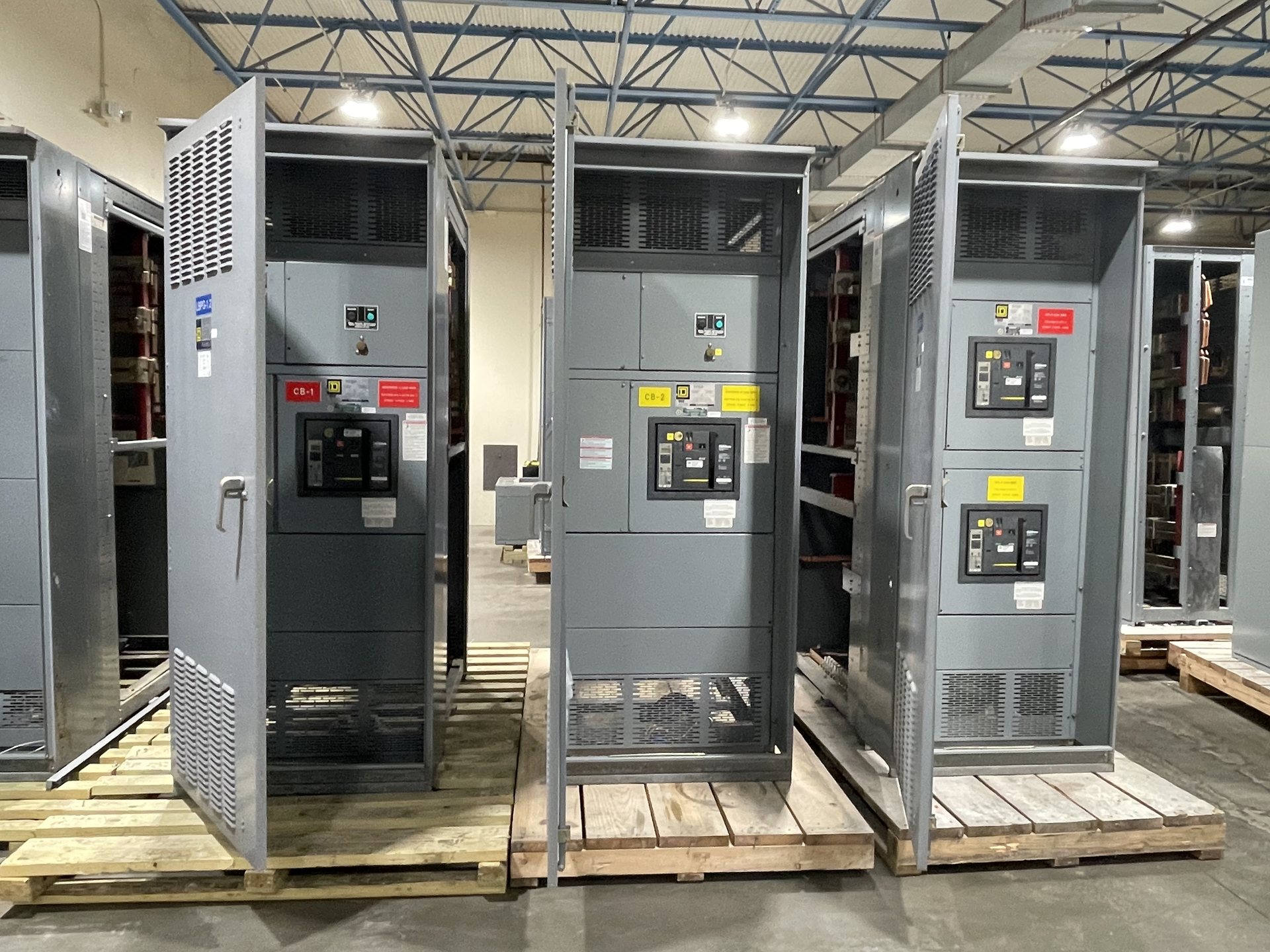
Plan checkpoints against the approved scope
A useful quality plan identifies what will be checked, when the check occurs, who reviews the result, and what evidence will be retained. Start with the approved one-line diagram, equipment schedules, control schematics, specifications, and submittal comments. Confirm which document revisions govern production and how deviations are submitted. This prevents inspectors and project teams from evaluating the assembly against different versions of the design.
Before release, align the checkpoint plan with the purchaser, engineer, and installation contractor as appropriate. Clarify whether review points are document-based, witnessed, or conducted by the manufacturer, and whether notice is required before a scheduled review. Define acceptance criteria for workmanship, dimensions, wiring identification, mechanical operation, and functional checks. The quotation should also establish which inspection records or test documentation are available for the specific build.
Review visual workmanship and identification
Visual review looks for conformity to approved drawings and a consistent, orderly build. Check enclosure condition and finish, barriers, covers, hardware, bus supports, component mounting, and the routing and support of conductors. Verify that required labels and nameplates are present, legible, and consistent with the approved equipment schedule and circuit designations. A visible discrepancy should be recorded with enough detail to identify its location and the governing drawing.
Inspection criteria should distinguish an actual nonconformance from a question that needs engineering clarification. For example, a label conflict may require confirmation of the intended circuit name, while a damaged part may require replacement or an approved disposition. Record the finding, responsible reviewer, decision, and closure evidence. Do not treat a photograph alone as proof that a technical requirement has been met when drawing review or additional inspection is needed.
Confirm dimensions and interface details
Dimensional checks connect the manufactured assembly to its site interfaces. Compare overall dimensions and specified compartment, mounting, and access details with approved drawings and project requirements. Where the assembly must fit an existing lineup or prepared space, verify the interfaces that the design identifies, such as connection locations, conduit entry areas, and clearances. The project team should provide accurate site information and identify which dimensions are critical before production.
For new retrofit components, dimensional review is especially important because the component must correspond to the existing equipment and the approved retrofit design. Confirm the source and revision of interface drawings, field measurements, and any reference information supplied for the project. If a measurement or interface condition conflicts with the approved design, pause disposition until the responsible parties resolve it. Record revised dimensions and approvals so downstream manufacturing and installation teams use the same information.
Check wiring against controlled documents
Wiring checkpoints should use the current approved schematics, connection diagrams, and terminal information. Review conductor routing and support, termination workmanship, wire and terminal identification, and component connections against those documents. Confirm that drawing changes made during review have been incorporated into the controlled production set. When the project specifies particular control devices or accessories, verify that the installed configuration and associated wiring match the accepted submittal.
A wiring discrepancy should be traced to its source before correction: it may reflect a production error, an outdated drawing, or an unresolved design change. Document the affected circuit or connection, obtain the appropriate engineering direction, and update controlled records when the approved design changes. Corrections should be completed and verified by qualified personnel under applicable procedures. The final record should show the disposition and any required drawing revisions, not just that a wire was moved.
Evaluate mechanical operation and functional checks
Mechanical checkpoints address the intended movement and fit of operating parts, interlocks, doors, and removable or adjustable components included in the design. Confirm that specified mechanisms operate as intended and that the assembly corresponds to approved drawings and instructions. The exact scope depends on the equipment configuration and project requirements; it should identify which mechanisms are included, what constitutes acceptable operation, and how results will be recorded.
Functional checks may cover control logic, indication, and specified operating sequences, but the method and extent must be agreed for the particular build. Identify required test conditions, applicable procedures, responsible personnel, and documentation before the review. Do not infer a particular test result or certification from a general inspection description. Installation, servicing, testing, and energization require qualified personnel working under approved procedures and applicable safety requirements.
Resolve findings and document final sign-off
Use a consistent finding process: identify the requirement, describe the observed condition, assign an owner, and record the proposed correction or approved disposition. Depending on the issue, resolution may involve correction, replacement, engineering clarification, or an accepted deviation authorized by the responsible parties. Track open items through verification, and note whether the resolution changes drawings, component selections, or inspection criteria. Unresolved questions should remain visible rather than being treated as completed by assumption.
Sign-off should reference the equipment scope, governing document revisions, completed checkpoints, outstanding exceptions, and records delivered for the project. Confirm who is authorized to accept the equipment and what constitutes closure under the purchase requirements. For switchboard assemblies, UL 891 is a relevant switchboard standard; applicable standards and listing status must be verified for the specific configuration. Any inspection, listing, or test documentation available should be confirmed during quotation rather than presumed.