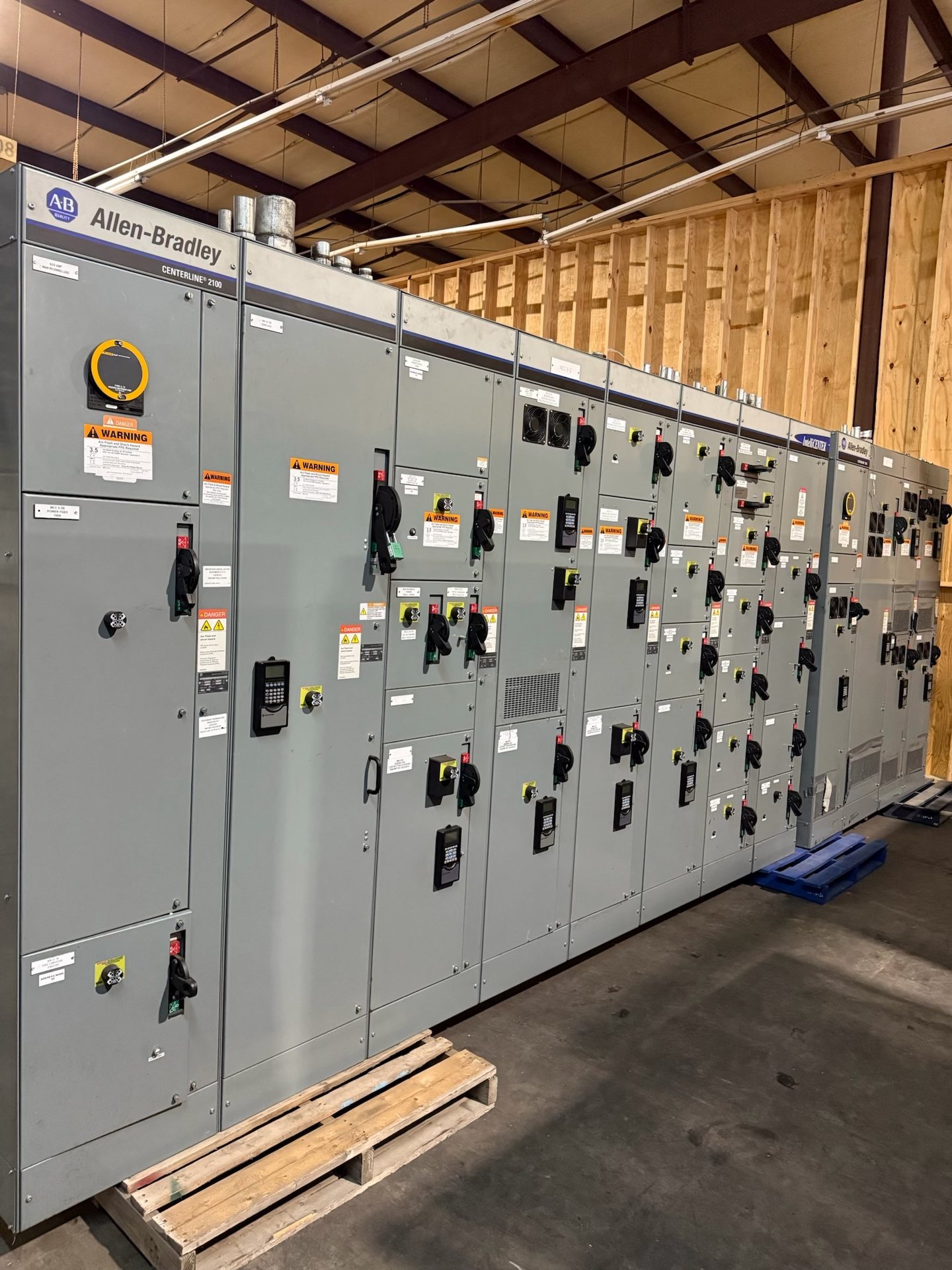
Scope freight dimensions and delivery conditions
Shipping dimensions and weight depend on the specified assembly, shipping splits, protective packaging, and handling provisions. Do not plan a route from electrical ratings or a general product description alone. Ask for the anticipated packaged dimensions, weight, number of pieces, and any limitations on orientation or handling during quotation review. Confirm whether the shipment is expected as one assembly or multiple sections, since that affects transport, unloading, and movement through the facility.
Provide the full delivery address and describe the final receiving point, not just the site entrance. Note receiving hours, appointment requirements, security check-in, limited-access conditions, and whether the carrier can reach the electrical room or only a loading area. Clarify whether delivery is to a dock, curbside, or another agreed point. Freight scope, delivery service, and any special handling must be confirmed for the specific quotation; do not assume unloading or placement is included.
Check the route from road to equipment room
A shipment that fits the carrier’s vehicle may still be unable to reach its intended installation area. Review turning radii, road restrictions, gate openings, overhead clearance, ramps, slopes, and the approach to the unloading location. Inside the facility, measure doorways, corridors, corners, elevators, and transitions between floor levels. Compare these constraints with the packaged shipping dimensions and the planned movement orientation, allowing space for safe maneuvering rather than relying on nominal opening sizes.
For projects in Texas or elsewhere, identify site conditions that could change between planning and delivery, such as construction fencing, temporary closures, restricted truck access, or work-zone controls. Assign someone at the project site to verify the route shortly before dispatch and communicate any change to the carrier and project team. If the equipment must be moved through an active construction area, coordinate the delivery window and access plan with the general contractor before confirming the shipment.
Plan dock, crane, and unloading resources
Establish who will unload the shipment and what equipment is available before setting a delivery date. A dock, forklift, crane, or other lifting resource may be required depending on the packaged dimensions, weight, site access, and approved handling points. The receiving team should compare the lifting equipment’s capacity and reach with the shipment requirements and the actual lift path. Do not infer lifting points or handling methods; use the shipment documentation and confirm any unresolved requirements before unloading.
Coordinate crane access, lift setup, ground conditions, overhead obstructions, weather exposure, traffic control, and the space needed for the vehicle and lifting operation. Confirm who provides operators, rigging, spotters, permits, and exclusion zones, and whether these arrangements are part of the customer’s site plan or separately contracted. The carrier’s delivery scope should be distinguished from unloading, rigging, movement into the building, and final placement. Only qualified personnel should perform handling under approved site procedures.
Inspect and document the delivery
At arrival, compare the shipment with the shipping documents and check the exterior packaging for impact, punctures, water exposure, displaced bracing, or other visible damage before signing the delivery receipt. Record the condition clearly, including any exceptions, and photograph the packaging and affected areas. If the shipment includes multiple pieces, verify the count and note missing or damaged items. Follow the carrier’s documentation process while preserving copies of the receipt, photographs, and related communications.
After safe unloading, inspect the equipment and packaging for concealed damage as soon as practical, without performing electrical work or disturbing protected components. Keep packaging available until the inspection is complete where feasible. If damage or a discrepancy is found, document what was observed, when it was discovered, and which piece is affected; notify the carrier and the responsible project contacts promptly. The receiving party should confirm applicable reporting deadlines and claim procedures with the carrier and preserve evidence rather than assuming the manufacturer can file on its behalf.
Protect equipment during storage
If installation cannot follow delivery, designate a secure storage location before the shipment arrives. Keep equipment protected from rain, condensation, dust, construction debris, impact, and unauthorized access. Use the storage conditions and preservation instructions supplied for the specific equipment; do not remove protective materials or open enclosures merely to inspect them if doing so could compromise protection. Record the delivery date, storage location, package condition, and any changes in the surrounding environment.
Moisture protection requires attention even when equipment is indoors. A building under construction may still expose stored assemblies to roof leaks, wet floors, temperature swings, or humid air that can cause condensation. Keep packages off wet surfaces and away from active water sources, and address environmental exposure in accordance with the equipment documentation. If the shipment becomes wet or packaging is compromised, document the condition and request guidance before proceeding. Do not assume ordinary wrapping makes equipment suitable for outdoor or uncontrolled storage.
Define responsibilities and purchasing records
Assign a named project role to coordinate freight appointments, site readiness, unloading, inspection, storage, and damage reporting. Before ordering, establish who receives carrier notices, who can authorize access, and who is responsible for signing the delivery receipt and recording exceptions. Confirm the agreed delivery point and freight scope in the quotation and purchase documents. If site conditions or the receiving plan change, communicate them early so the shipment and carrier arrangements can be reviewed rather than leaving decisions to the driver at arrival.
When requesting pricing for new switchgear or new retrofit components, provide the project schedule, ship-to details, access constraints, unloading plan, and any required shipping or inspection documentation. Identify whether the project needs shipping splits or coordination with phased construction, and ask which dimensions, weights, and handling instructions will be available for planning. Component origin, availability, lead time, and documentation are confirmed for each quotation. For switchboard assemblies, verify the applicable standards and listing for the quoted configuration; UL 891 applies to switchboards, not every type of switchgear.