Obtain the Utility’s Service Requirements First
Start by identifying the serving utility and requesting its requirements for the specific service address and project. Ask for the applicable service manual, metering criteria, approved equipment or drawing-submittal process, and any project-specific correspondence. Requirements can differ by utility, service arrangement, and site, so do not assume a detail accepted at another property will apply. Record the utility contact or department, document revision, and date received.
Ask the utility to confirm the proposed point of delivery, service ownership boundary, available service configuration, and the process for reviewing customer-owned equipment. Clarify which party provides, terminates, and maintains each part of the service connection. These answers help the engineer define the switchgear line-up and the contractor plan site work. Share written utility criteria with us when requesting pricing so the proposed new equipment can be scoped against actual project requirements.
Confirm Service Voltage and System Configuration
Request the nominal service voltage and system arrangement in writing, including phase and wire configuration and whether the service is grounded as the utility specifies. Ask whether the proposed service is overhead or underground and whether there are restrictions on the service entrance location or orientation. The project engineer should reconcile the utility information with the building load, one-line diagram, and downstream distribution design before equipment details are finalized.
If the utility has not assigned or approved the final service characteristics, treat them as open design items rather than assumptions. Confirm how the utility identifies the service point and whether a transformer or other utility-side change is part of the project. Send the confirmed parameters with the equipment inquiry. Voltage and configuration are project design inputs; availability, engineering, and equipment suitability must be reviewed for each quotation rather than inferred from a page title or a preliminary concept.
Define Metering and Utility Access
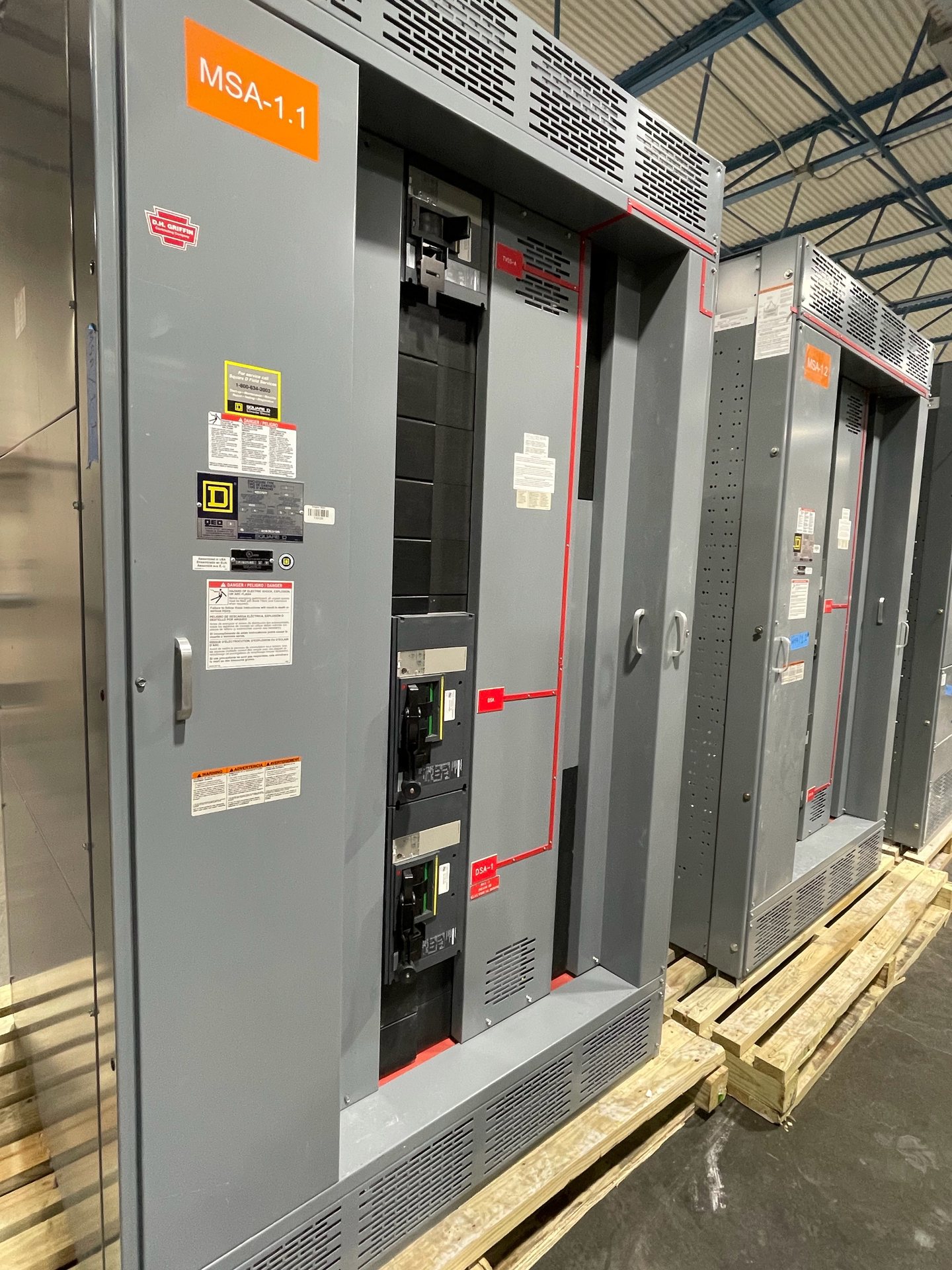
Ask the utility to specify its metering method and the physical provisions it requires. Relevant details may include meter type, location, mounting arrangement, meter compartment dimensions, access and working clearances, sealing provisions, and whether current or potential transformers are required. Confirm which components belong to the utility and which must be furnished as part of the customer’s new switchgear assembly. Do not rely on a generic meter socket or compartment assumption without utility acceptance.
Determine whether utility personnel need access from the front, rear, or a separate service area, and how the meter location relates to doors, barriers, and adjacent equipment. Include these constraints in the site layout and equipment drawings. Ask who reviews the metering drawings and what information must be submitted before fabrication. Clear answers help prevent an otherwise complete assembly from requiring revised compartments, relocation, or a different access arrangement.
Document Incoming Conductor and Termination Criteria
Obtain the utility’s requirements for incoming conductors and the service termination point, then have the electrical engineer confirm conductor sizing and equipment interface details. Clarify conductor material, quantity and arrangement per phase, neutral requirements, cable or bus entry direction, and permitted routing space. Ask about termination hardware, lug provisions, bending space, and any limits on conductor approach. These details affect enclosure dimensions, compartment layout, and the location of incoming connections.
Coordinate the conductor information with the contractor’s installation plan and the site’s raceway or trench design. Verify which party furnishes conductors, termination fittings, and utility-side connection materials; do not treat those responsibilities as implicit. If the utility has not issued final conductor criteria, identify the unresolved assumptions in the drawing package and quotation request. New switchgear should be engineered around confirmed interfaces, not altered in the field to accommodate unreviewed cable arrangements.
Secure Equipment and Drawing Approvals
Ask the utility whether it must approve the switchgear manufacturer, assembly configuration, metering section, or submitted drawings before equipment is released for fabrication. Request its submittal checklist, required drawing format, review sequence, and any deadlines tied to the project schedule. Determine whether approval applies to preliminary layouts, final shop drawings, or both. Provide the same utility criteria to the project engineer and contractor so each reviewer works from a consistent design basis.
For a pricing request, send the one-line diagram, service data, utility metering requirements, desired equipment arrangement, and relevant site constraints. Identify any specified American components so they can be considered in the proposed configuration; component origin and availability must be confirmed for the quotation, and no independent domestic-content certification should be assumed. UL 891 applies to switchboards; verify applicable standards and listing status for the exact proposed configuration rather than assuming a blanket approval.
Plan Inspection, Acceptance, and Procurement
Ask the utility and authority having jurisdiction to explain their inspection and acceptance sequence, including which inspections must occur before service connection or energization. Confirm who schedules each inspection, what documents must be available on site, and whether utility approval is separate from the electrical permit inspection. Obtain any required inspection forms, drawing approvals, or written release conditions early enough to include them in the project schedule. Installation, testing, and energization must be handled by qualified personnel under approved procedures.
Before placing an order, reconcile the approved utility documents with the final equipment scope, drawings, and contractor installation plan. Ask for quotation confirmation of engineering scope, component availability, lead time, and any test or compliance documentation required for the project; these items are subject to review and are not guaranteed by a general description. We supply new equipment and new retrofit components only. For Texas projects, provide the service location and utility criteria so requirements can be reviewed.