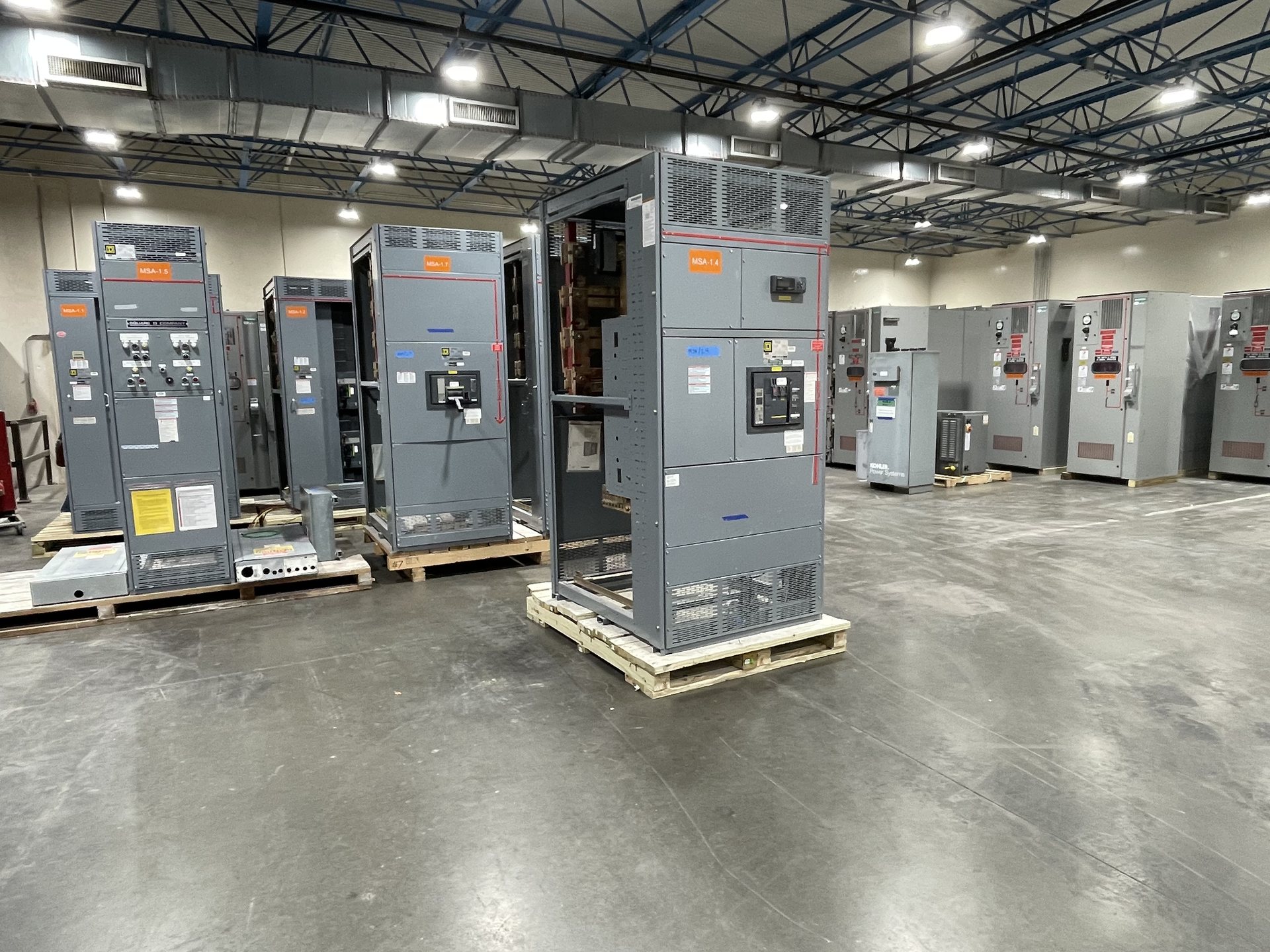
Build a project-specific test plan
A useful test plan begins with the approved one-line diagram, equipment schedule, control schematics, and applicable project specifications. It should state the equipment and configuration in scope, the documents governing acceptance, the checks to be performed, and the records to be delivered. We review these requirements with the customer so that verification steps correspond to the equipment being manufactured rather than assumptions carried over from another project.
Before release, clarify who approves the plan, how revisions are handled, and whether customer or third-party witness points are requested. Define any hold points that require notice or approval before work proceeds, along with the method for documenting an inspection that is declined or waived. Timing and participation depend on project coordination; witness attendance should be arranged early and confirmed in the quotation or approved test plan.
Define routine inspection scope
Routine inspection can address workmanship and configuration details that are visible and relevant to the supplied assembly. Depending on the approved scope, reviewers may compare nameplate and component information with submittals, examine enclosure and compartment arrangements, check bus and connection identification, and review wiring labels, barriers, and specified accessories. The test plan should identify the inspection criteria and the record format so observations can be tied to the correct drawing or requirement.
Inspection boundaries matter when equipment includes customer-furnished items, field-installed connections, or interfaces to equipment outside our supply. List those exclusions explicitly and identify which party verifies each interface. For a new retrofit component, name the existing equipment information used to establish fit and function, such as the applicable drawings and interface dimensions. Inspection of a supplied component does not by itself confirm the condition or performance of existing field equipment.
Choose electrical checks that match the design
Electrical checks should be selected from the project specification, approved drawings, component requirements, and applicable standards for the particular configuration. The plan can identify which continuity, wiring, insulation, or other specified checks are relevant, who records the result, and the acceptance criteria. It should also distinguish factory checks on the manufactured equipment from site checks that depend on installation, connected loads, grounding, or external circuits.
Do not assume one test method or acceptance value applies to every assembly. Confirm test boundaries, connections, equipment condition, and any precautions required by the approved procedure before defining the check. If a project requires a particular instrument, method, or report format, provide that requirement during review. Testing, servicing, installation, and energization must be performed by qualified personnel under approved procedures; this page is not an instruction for live electrical work.
Verify control and mechanical functions
Functional checks can confirm that specified mechanisms, indications, interlocks, and control sequences respond as intended under the conditions defined in the test plan. The sequence should reference the applicable schematic and identify the expected response for each operation. Where control power or external signals are required, clarify whether they are included in the test setup or must be supplied by another party.
A clear test script helps avoid ambiguous pass-or-fail decisions. For each function, identify the initiating condition, the expected indication or action, and any project-defined exception. Specify which operating modes and accessories are included, especially when controls interface with remote systems. Functional checks do not substitute for site commissioning of circuits or systems outside the manufactured equipment boundary, and those responsibilities should be assigned in the project documents.
Set witness points and acceptance records
Customer witness points are most effective when they identify a defined activity, the required notice, and the evidence available for review. The plan should say whether a witness observes an inspection, electrical check, or functional sequence; whether the activity pauses pending attendance; and how the parties record comments and disposition. Agreeing these details before testing helps the customer plan attendance and keeps the sequence aligned with production and project milestones.
Define the closeout package before the test begins. Depending on the agreed scope, records may include completed inspection forms, check results, instrument or procedure references where required, approved drawing revisions, and documented exceptions or corrective actions. Confirm who reviews and accepts the records and how outstanding items are resolved. Test documentation describes the checks performed within the agreed scope; it should not be presented as proof of requirements or certifications that were not separately verified.
Confirm standards, configuration, and quotation scope
Applicable standards and listing requirements depend on the equipment type and final configuration. UL 891 applies to switchboards; it is not a blanket listing for all switchgear. The project team should identify the required standards and confirm whether the proposed configuration can meet them. Listing status and applicable standards must be verified for the specific assembly and should not be inferred from a component, a prior design, or a general description of testing capability.
For a useful quotation, provide the equipment type, ratings and configuration required by the project, current drawings and specifications, requested checks, witness expectations, documentation needs, and any required component-origin criteria. We build to specification using American components when specified, but component origin and any domestic-content requirements must be confirmed for the quoted configuration; no independent verification or Buy American Act compliance is implied. Engineering scope, availability, lead time, and test documentation are confirmed for each quotation.