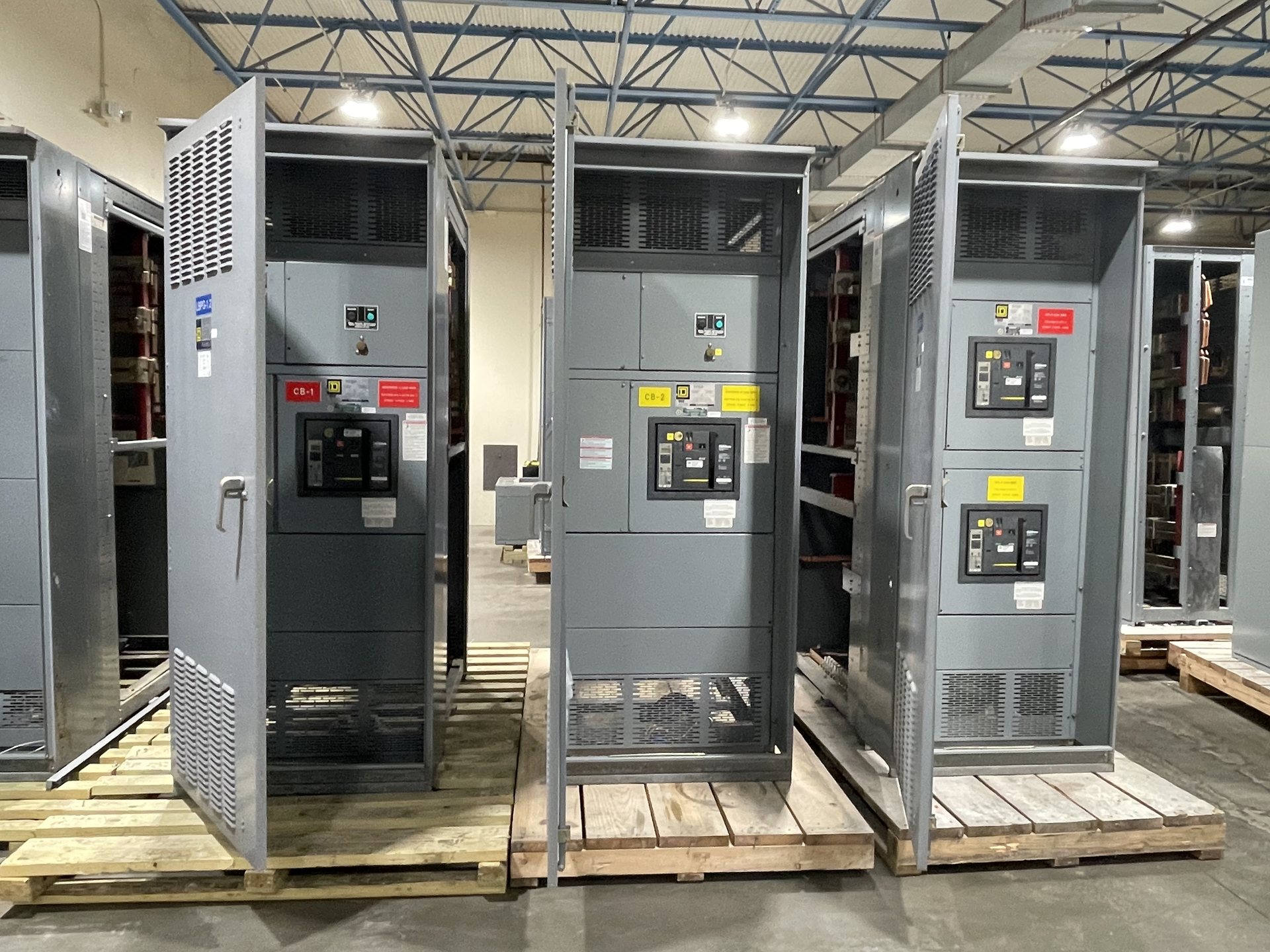
Plan Phased Replacement Around Plant Operations
A phased replacement plan starts by identifying which loads each existing lineup serves and what happens if a section is unavailable. Map process areas, critical pumping and treatment functions, standby sources, and any temporary operating arrangements. Ask the plant’s engineer and operations team to define acceptable outage windows, required operating conditions, and the sequence in which equipment can be isolated and replaced. These decisions shape the lineup boundaries and project scope.
Clarify whether the work replaces an entire assembly, selected sections, or distribution components associated with a defined phase. Record which portions of the existing system remain in service and which are removed from the design. A new assembly may need to align with existing upstream and downstream equipment without assuming that its electrical, mechanical, or physical interfaces are interchangeable. Provide the manufacturer with the phasing plan so the proposed equipment and documentation address the actual transition.
Document the Existing Electrical System
Compatibility review depends on reliable information about the system being modified. Gather current one-line diagrams, equipment schedules, nameplate data, available fault-current information, protective-device settings, and records of prior changes. Identify nominal system voltage, phase and wire configuration, grounding method, source arrangement, and the intended function of each section. If drawings are incomplete, mark known discrepancies and arrange for qualified personnel to verify field conditions under approved site procedures.
For each lineup and connection point, document enclosure dimensions, section arrangement, bus orientation, cable-entry locations, access clearances, and the surrounding room constraints. Note environmental conditions such as moisture, corrosive exposure, washdown practices, and ventilation requirements, then have the project team define the applicable design criteria. Photographs and measured sketches can support review, but they do not replace verified electrical data or an approved design. Do not assume a new assembly will fit an existing footprint without confirmation.
Evaluate Existing Cables Before Reuse
Retaining existing feeder or load cables can affect section layout, terminations, and the replacement sequence. Prepare a cable schedule showing circuit identifiers, conductor material and size, number of conductors, insulation information where available, routing, termination type, and the equipment connection served. Confirm whether cables enter from above, below, or another direction, and identify constraints such as limited bend space or inaccessible raceways. The responsible engineer must determine whether each cable is suitable for the revised design and installation.
A cable that reaches the new equipment physically may still be unsuitable for its intended electrical duty or termination arrangement. Compare the proposed equipment’s connection provisions with verified cable data, including the number and arrangement of conductors and available termination space. Identify circuits requiring new routing or new conductors rather than relying on assumptions about reuse. Switchgear Builders Texas supplies new equipment and new retrofit components.
Protect Process Continuity Through the Transition
Process continuity is a plant-operating requirement that must be addressed alongside equipment selection. For each modernization phase, define which loads must remain available, which can be taken out of service, and what operational or temporary measures the plant has approved. Identify dependencies between pumping, treatment, controls, alarms, and other connected systems. The plant’s qualified engineering and operations personnel should determine acceptable switching boundaries and outage conditions before equipment is ordered or field work is scheduled.
Ask the project team to provide the intended source and load arrangement for normal operation and any alternate operating modes that form part of the design. Confirm how feeders, control interfaces, interlocks, and protective-device coordination are affected by the new configuration. Record assumptions about retained circuits and temporary connections in the project documents, and resolve conflicts before fabrication. Avoid relying on an assumed sequence to preserve service; the construction and commissioning plans must be developed and approved for the specific facility.
Specify the New Distribution Equipment
A useful quotation package states the required system characteristics and the functions the new lineup must perform. Include the design voltage, frequency, bus and feeder requirements, source configuration, protective-device needs, enclosure conditions, metering or control requirements, and the project’s applicable electrical standards. Identify whether the scope is a switchboard or another distribution assembly, and provide drawings that show connections to the existing system. UL 891 applies to switchboards; listing and applicable standards must be verified for the proposed configuration.
State any project requirement for American components and identify which components or documentation need review. Component origin, engineering scope, availability, and lead time are confirmed for each quotation; a request alone does not establish independent verification or compliance with domestic-content rules. Also specify submittals, drawing formats, review milestones, and any required test or inspection documentation. Switchgear Builders Texas builds new equipment to specification, with final configuration and applicable documentation subject to project review.
Coordinate Commissioning and Handover
Commissioning should be planned before the equipment arrives, with responsibilities and acceptance criteria agreed among the owner, engineer, contractor, and manufacturer. Identify required submittals, approved drawings, inspection points, and the records needed to document installation and configuration. Confirm which party is responsible for site acceptance activities and what information must be available before those activities begin. The commissioning plan should account for the plant’s process requirements and the approved outage sequence, not just the replacement assembly in isolation.
Before requesting pricing, provide the project location, target schedule, electrical drawings, equipment and cable records, phasing assumptions, and required documentation. Flag unresolved conditions and distinguish confirmed field data from estimates. Installation, servicing, testing, and energization must be performed by qualified personnel under approved procedures. For projects in Texas or elsewhere in the United States, this information helps us review the requested new equipment and components, identify open technical questions, and confirm quotation scope and lead time.