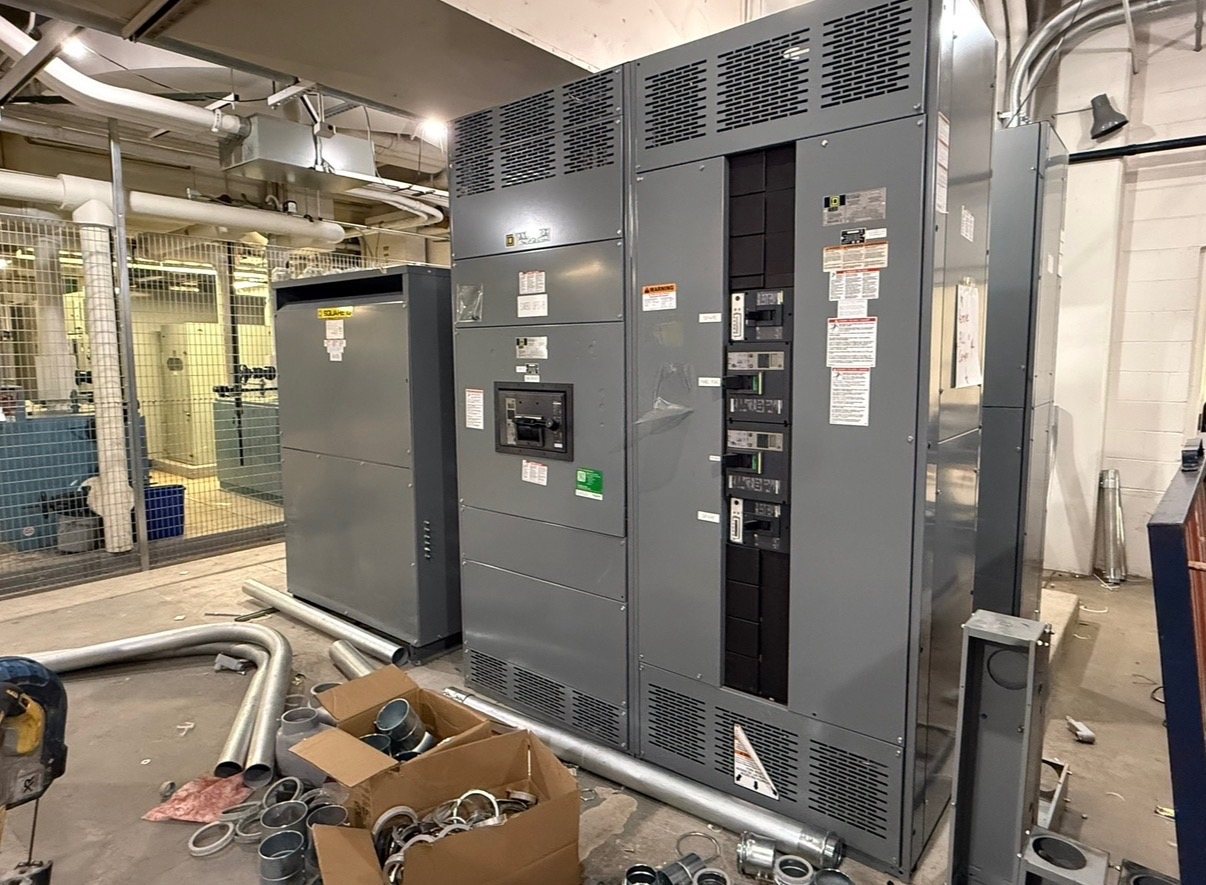
Coordinate Normal and Generator Sources
A transfer arrangement must match how the normal source and generator connect to the facility distribution system. Before requesting pricing, document the one-line diagram, source and bus arrangement, existing protective devices, grounding method, and the intended point of transfer. Clarify whether the generator supplies a dedicated emergency bus or connects through an existing distribution section. These details determine the equipment boundaries and help identify potential conflicts with existing gear.
The sequence of operation also matters. State what initiates transfer, how the facility determines that generator power is acceptable, whether transfer is open or closed transition, and how retransfer occurs after normal power returns. Include any required time delays, bypass or isolation provisions, and constraints on paralleling sources. The generator controls, transfer controls, and distribution equipment must be considered together; a quotation should not assume compatibility from nominal voltage or amperage alone.
Define Essential Pump Loads and Priorities
List the pumps and related systems that must remain available during an outage, identifying each motor’s electrical characteristics and operating role. Distinguish essential process or service loads from loads that can be shed or delayed. Include motor nameplate data, starting method, control arrangement, expected duty, and whether multiple pumps may start or run simultaneously. This information helps evaluate generator loading and the distribution sections needed for prioritized operation.
Ask the project team to describe the intended load-shedding and restoration sequence, including which pumps may restart automatically and which require an operator decision. Starting current and acceleration behavior can affect generator response and voltage conditions, especially when other loads are connected. Provide the generator’s documented capacity and relevant transient or load-step information for engineering review. Equipment selection and coordination remain subject to the complete project design and confirmed component availability.
Match Transfer Controls to Facility Operation
Transfer controls should reflect how the water system is supervised and operated. Identify the control power source, local and remote operating needs, alarm points, status indications, and interfaces with the plant control or supervisory system. Clarify what signals are exchanged with the generator controller and which party owns each control function. A point list and sequence narrative can prevent gaps between the transfer equipment, generator package, and facility automation design.
Specify the response to abnormal conditions rather than describing only normal transfer. Relevant cases may include a failed generator start, unacceptable generator voltage or frequency, loss of control power, a transfer inhibit, or the return of utility power before a transfer completes. Also state whether operators need manual control or remote status during these conditions. Final logic, interlocks, and control interfaces must be reviewed against the one-line diagram and equipment configuration.
Plan Distribution and Retrofit Interfaces
For new distribution equipment, provide the required electrical ratings, available fault-current information, protective-device requirements, enclosure and environmental conditions, and space or cable-entry constraints. Identify the connected sections, feeder destinations, and any provisions needed for future circuits. Switchgear Builders Texas supplies new equipment built to specification using American components as specified by the customer; component origin and suitability are subject to confirmation for each quotation.
A retrofit requires additional interface information because replacement components must work with the existing assembly and its documented configuration. Supply equipment nameplates, manufacturer and model information where available, clear photographs, dimensions, drawings, bus and connection details, and the proposed scope. We provide new retrofit components only. Fit, control compatibility, applicable standards, and any required modifications must be reviewed before pricing or production; an assumed physical match is not a substitute for engineering review.
Prepare Drawings and Purchasing Requirements
A useful request for pricing includes the current one-line diagram, load schedule, generator data, transfer sequence, control point list, and project specifications. Add the required delivery destination, requested submittal content, enclosure conditions, and any site or procurement constraints. If the design is still developing, identify open decisions and distinguish mandatory requirements from preferences. This gives the manufacturer a clear basis to review scope and flag information that could change the proposed equipment.
Specify the standards and listing requirements that apply to the particular assembly and installation. UL 891 is a standard for switchboards, not a blanket listing for every switchgear configuration; listing and applicable standards should be verified for the proposed equipment. Request confirmation of the configuration, engineering scope, component availability, lead time, and test documentation with the quotation. Do not treat an unconfirmed schedule or documentation item as a guaranteed project commitment.
Coordinate System Testing and Turnover
Testing plans should demonstrate the intended source-transfer and load-restoration sequence without relying on a generic equipment checklist. Define which functions are to be verified, the expected indications and alarms, generator response conditions, and how essential pumps are represented during system tests. Coordinate responsibilities among the owner, electrical contractor, generator provider, controls integrator, and equipment manufacturer before commissioning. The approved project procedures should establish test boundaries and acceptance criteria.
Include turnover records that help operators understand the installed arrangement: final diagrams, approved control settings or logic documentation as applicable, equipment submittals, test records, and operating instructions. Any installation, servicing, testing, or energization must be performed by qualified personnel under approved procedures. Confirm the required documentation and test scope during procurement, since available records and test provisions depend on the equipment configuration and project requirements.