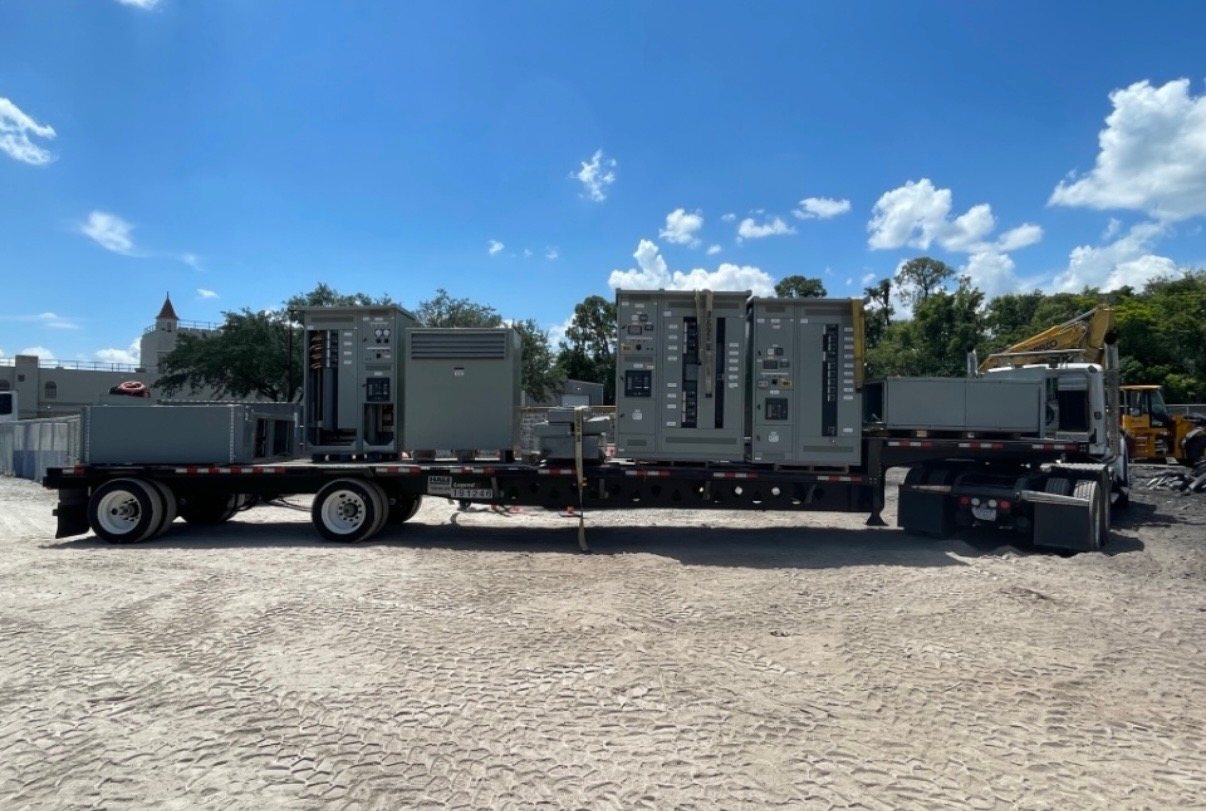
What the 27 kV-Class Designation Means
Treat “27 kV class” as a category for identifying equipment, not as a guaranteed continuous operating rating. The class label alone does not tell you the maximum system voltage, the equipment’s rated maximum voltage, or whether its insulation coordination is suitable for the installation. Those values must be established from the proposed equipment nameplate data and the electrical system design.
For a project review, provide the nominal system voltage and the highest voltage expected under the system’s operating conditions. Ask whether the proposed equipment nameplate maximum voltage and insulation level meet the application’s requirements. If the project documents use “27 kV” without defining these parameters, resolve that ambiguity with the engineer of record before equipment is specified or quoted.
Match Nameplate Ratings to System Conditions
Compare the actual system voltage with the equipment’s rated maximum voltage rather than inferring suitability from a class label. Also identify grounding method, frequency, and any operating conditions that could affect the equipment selection. These details help distinguish a nominal-voltage description from the electrical limits that must be satisfied by the selected assembly and its components.
Include the one-line diagram, equipment schedule, and relevant electrical specifications in the quotation package. Point out any differences between documents, such as a voltage stated on the drawing that does not match the project schedule. A documented review of those inputs helps establish which nameplate values are required and what assumptions need confirmation before the configuration is finalized.
Specify the Required Insulation Level
The required insulation level is a separate selection point from the 27 kV-class label. State the project’s specified withstand requirements and the conditions used to establish them, including any relevant environmental or installation considerations. The manufacturer needs those project requirements to review the proposed configuration; the class designation should not be used as a substitute for explicit insulation criteria.
Ask for the applicable insulation information to be identified in the quotation and equipment documentation. Confirm that the proposed nameplate data align with the specification and the engineer’s design basis. Where the project has particular coordination requirements, provide the governing documents and request clarification of any unresolved values rather than assuming that a class description establishes the required insulation performance.
Define the Distribution and Protection Scope
A 27 kV-class project still needs a complete functional definition. Identify whether the equipment is intended for incoming service, feeder distribution, sectionalizing, or another role. Provide the one-line diagram, feeder count, load information, protection approach, and interface requirements so the proposed arrangement can be reviewed against the actual distribution design rather than a voltage label alone.
Clarify control power, metering, relaying, interlocks, and accessory requirements in the project documents. Identify which items are supplied as part of the equipment and which are by others. If a protection study, coordination settings, or communications interface governs the design, state who provides that information and when it will be available. This avoids treating unspecified functions as included in the quoted scope.
Plan New Equipment and Retrofit Components
We supply new equipment and new retrofit components only. For a retrofit scope, provide the existing equipment manufacturer and model, available nameplate information, compartment dimensions, connection details, and clear photographs or drawings. These inputs help determine whether a new component can be designed for the intended interface; the 27 kV-class designation alone does not establish physical or electrical interchangeability.
Document the existing assembly’s condition and identify the exact function to be replaced or added. Share relevant drawings, terminal arrangements, bus details, and control wiring information where available. Project review is necessary to establish scope, engineering requirements, component origin, and lead time for each quotation. Do not rely on an assumed fit or a class label as confirmation that a retrofit component is compatible.
Confirm Standards, Documentation, and Purchasing Scope
Identify the standards, listing requirements, and documentation required by the project. UL 891 applies to switchboard assemblies; it is not a blanket listing for all 27 kV-class distribution equipment. Listing status and applicable standards must be verified for the specific configuration. Request confirmation of the relevant documentation for the proposed equipment rather than assuming a particular label, test record, or certification applies.
Specify any American-component requirements in the request for pricing and identify the project language that governs them. Component origin and applicable documentation must be confirmed for each quotation; a request does not constitute independent verification or certification of domestic-content compliance. Include the required delivery destination, requested schedule, and submittal needs so the manufacturer can review scope, availability, engineering, and lead time for the particular project.