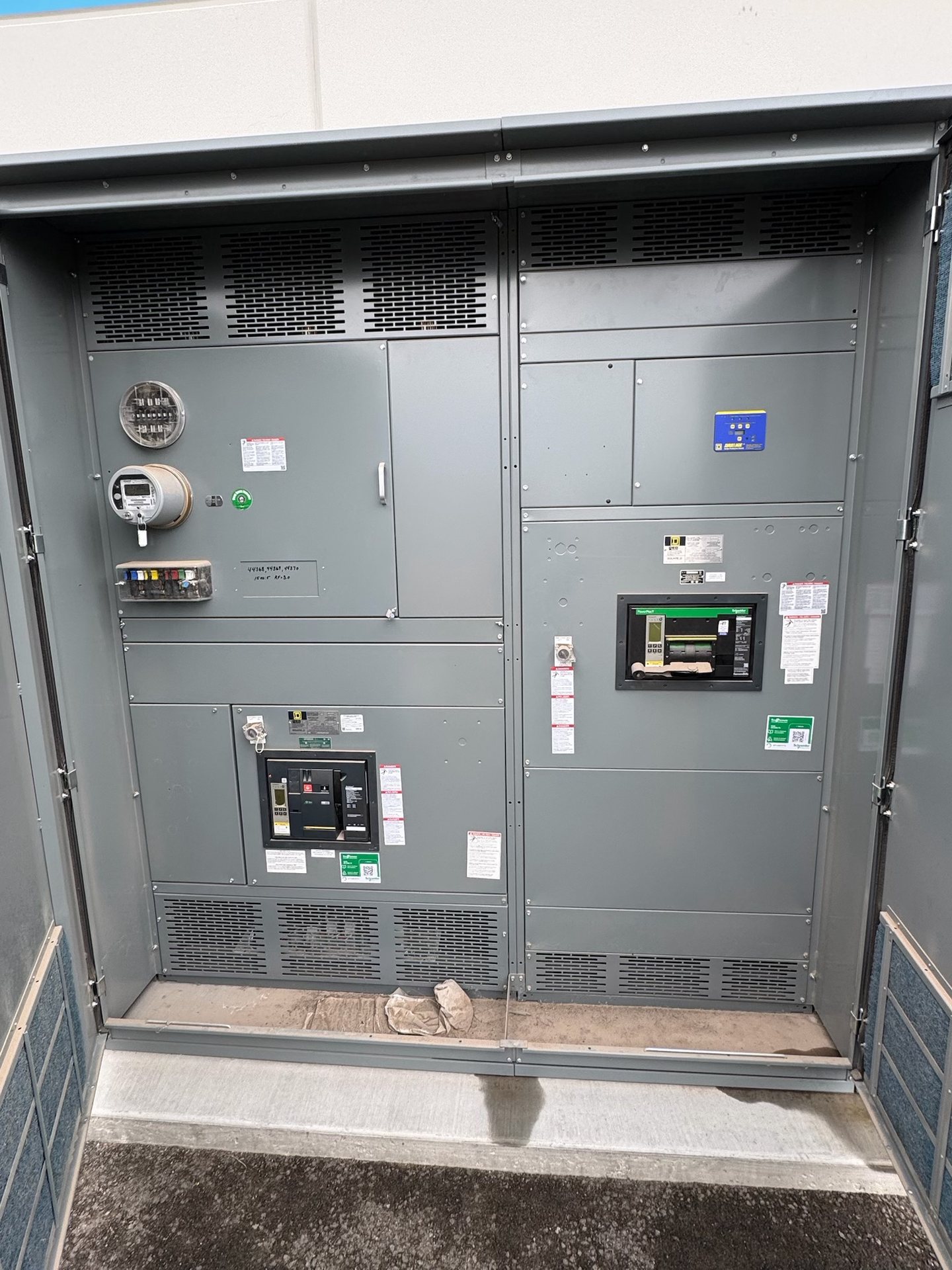
What the 35 kV-Class Designation Means
The class label identifies a broad equipment category; it does not, by itself, establish the maximum voltage the equipment can continuously withstand in a specific system. A 35 kV-class specification must be evaluated against the system’s actual maximum voltage and the equipment’s applicable ratings. Confirm those values with the project engineer and compare them with the proposed nameplate data rather than relying on a catalog category or informal description.
When requesting a quotation, provide the nominal system voltage and its maximum operating voltage, along with the grounding arrangement and any defined system conditions that affect equipment selection. Ask which nameplate voltage and insulation values are proposed for the configuration. These details help distinguish a suitable design from one that merely carries a familiar class label, and they make technical review more meaningful before procurement.
Match Insulation Requirements to System Conditions
Insulation coordination is a project requirement, not an assumption derived from the words “35 kV.” Provide the required insulation level and the design basis used to select it, including the applicable project or utility criteria. The engineer should consider the system’s overvoltage environment and the equipment’s intended application when defining withstand requirements. Confirm that the proposed ratings and nameplate information align with the approved design basis.
Specify which insulation values and supporting documentation should appear in the quotation and submittal package. If the project uses particular terminology, standards, or utility specifications, include the exact references and revision information. This helps prevent mismatches between an equipment description, an insulation requirement, and the final approved configuration. Availability, engineering, and test documentation are confirmed for each quotation; they should not be inferred from the class designation.
Define the Equipment Function and Arrangement
“Distribution equipment” can refer to different functions and arrangements. State whether the project requires switching, protection, distribution, or another defined function, and describe the intended installation and connection points. Identify the one-line diagram revision, incoming and outgoing circuit arrangement, and any required metering or control interfaces. A precise functional description lets the manufacturer review the proposed equipment against the system design instead of treating 35 kV-class as a complete specification.
Document the project’s space, access, termination, and environmental constraints that affect the equipment arrangement. Clarify cable-entry direction, conductor and termination requirements, enclosure conditions, and the relationship to adjacent equipment where applicable. Provide interface drawings or dimensions if they are established. These inputs support configuration review and help the purchasing team compare quotations on a consistent basis without assuming that equipment with the same class label is interchangeable.
Make the Nameplate and Submittal Review Specific
Before approval, compare the proposed nameplate information with the project’s stated system voltage, maximum voltage, and required insulation level. Review the exact equipment designation and ratings for the selected configuration, not just the quotation title. Ask the manufacturer to identify any assumptions or open engineering items that affect the proposed nameplate. Resolve discrepancies with the engineer of record before release so procurement does not proceed on an incomplete class description.
Set out the documents needed for engineering review, such as arrangement drawings, rating information, interface details, and applicable test documentation. State the required format, review sequence, and approval milestones. If utility acceptance or project-specific documentation is needed, identify it at the outset. The documentation available for a particular design must be confirmed during quotation review; do not assume that a class label establishes a particular listing, test record, or approval.
Specify New Equipment or New Retrofit Components
We supply new equipment and new retrofit components only. For a retrofit scope, identify the existing equipment manufacturer and model, available nameplate data, and the component being replaced or added. Provide dimensions, connection details, control interfaces, and clear photographs or drawings where permitted. State which existing parts remain in service and which are included in the new scope. This information helps determine whether the requested component can be engineered for the documented application.
Do not assume that a new retrofit component is compatible solely because the existing assembly is described as 35 kV-class. Confirm the equipment’s actual ratings and insulation requirements, physical interfaces, and intended function. Include the existing assembly’s relevant drawings and records, plus any required outage or project constraints for planning purposes. Compatibility, engineering scope, component origin, and lead time require project review and confirmation with the quotation.
Plan Procurement, Standards, and Project Review
For a useful pricing request, submit the one-line diagram, equipment schedule, applicable specifications, required ratings, project location, and requested delivery window. Identify the governing standards and any owner or utility requirements, including documentation and approval steps. We serve customers in Texas from the United States and ship nationwide; the project location helps frame shipping and coordination. Lead time is subject to review of the configuration and project requirements.
Ask the quotation to state the proposed equipment scope, key rating assumptions, exclusions, and documents available for submittal. Specify any required American components, while recognizing that component origin and project-specific requirements must be confirmed for each quotation and do not constitute an independent domestic-content certification. Verify applicable standards and listing for the exact configuration; UL 891 applies to switchboard assemblies, not as a blanket designation for all 35 kV-class equipment.