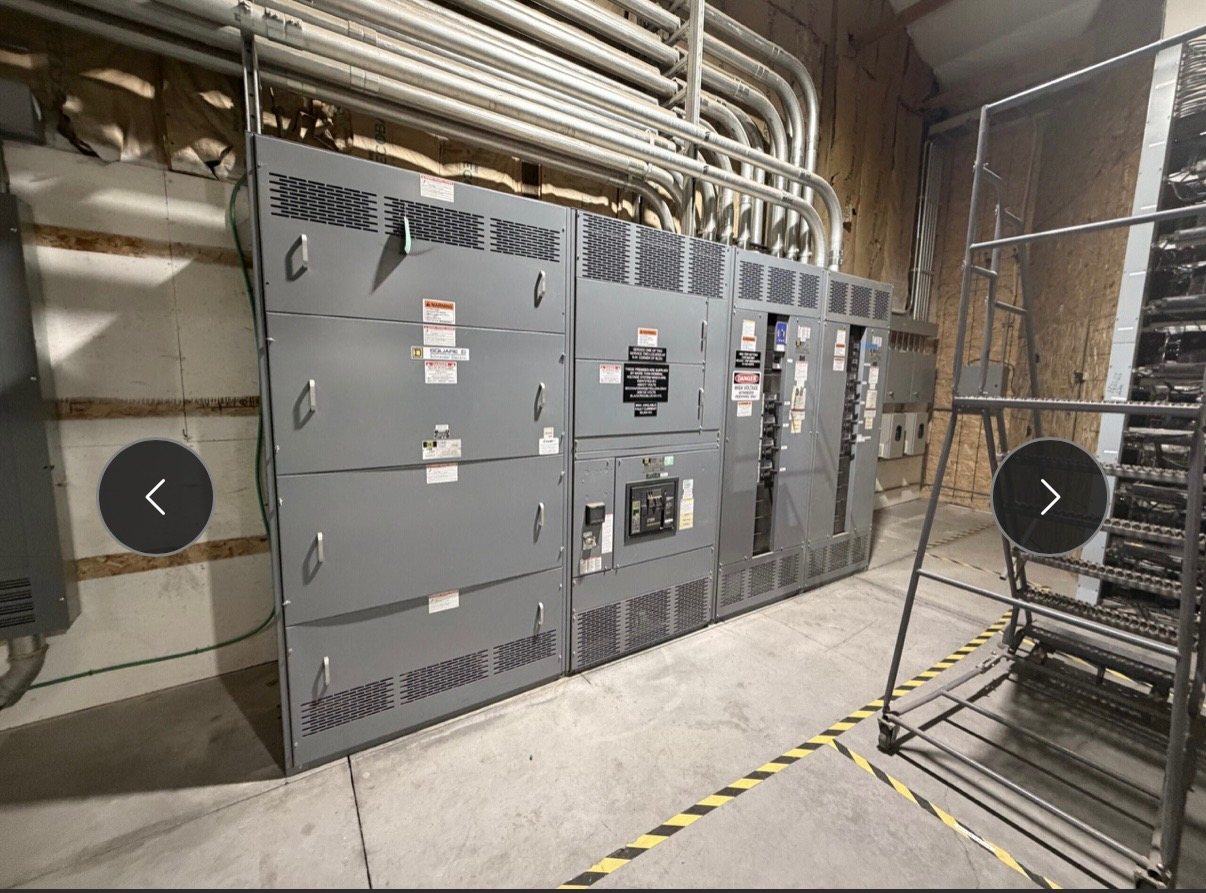
What Drives the Cost of New Custom Switchgear?
A switchgear quote reflects more than a nominal current or voltage. Bus rating and arrangement, voltage class, enclosure design, protective devices, metering, controls, and required testing all shape the assembly. The cost also depends on how these requirements fit together: a compact lineup with a straightforward distribution scheme presents different design and fabrication needs from one with multiple sections, specialized protection, or extensive interfaces.
For an initial pricing request, identify the application, system voltage, available fault-current information, required bus rating, and expected feeder or circuit count. Share the one-line diagram and equipment specifications when available, and note which requirements are firm versus still under review. This helps us assess the requested configuration and clarify gaps before preparing a quotation, rather than treating an incomplete equipment description as a final design.
Bus Rating and Electrical Configuration
Bus requirements influence conductor selection, support design, section layout, and connection details. Cost considerations may include the specified continuous current, short-circuit withstand requirements, main and distribution bus arrangements, neutral provisions, and connections to incoming or outgoing conductors. Copper or other specified material, plating requirements, and bus treatment should be stated in the project documents so the quotation can address the intended design rather than assume a material or configuration.
Include available fault-current data, the source and transformer information used to establish it, and any coordination or system studies relevant to the equipment. Clarify whether the lineup needs a main device, tie, multiple mains, or a particular feeder arrangement. These choices affect the assembly and its protective scheme. Final ratings and configuration require engineering review against the project conditions; a title or preliminary rating alone does not confirm availability or suitability.
Voltage Class, Enclosure, and Site Conditions
Voltage class affects insulation and clearances, component selection, compartment arrangement, and the applicable design and documentation requirements. Enclosure choices can also change fabrication effort, including indoor or outdoor construction, access and working space, cable entry, environmental exposure, and any specified barriers or compartmentalization. Provide the installation setting and relevant project requirements instead of assuming that a standard enclosure will fit every site.
For Texas projects, describe the actual installation environment, including whether equipment is indoors, exposed to weather, or subject to dust, moisture, corrosive conditions, or temperature concerns. State dimensions or site constraints, conduit or cable approach, and access limitations if known. These details help establish an enclosure scope and identify coordination questions early. Equipment is quoted and supplied from the United States.
Devices, Metering, and Protection Scope
The number and type of breakers, switches, fuses, metering devices, relays, and control components are material cost drivers. Requirements for adjustable trip functions, communications, indication, alarms, control power, interlocks, or remote interfaces add selection and integration work. A pricing request should identify preferred device functions and any required makes or models, while allowing the quotation to confirm component availability and compatibility with the specified assembly.
Protection requirements should be tied to the project’s coordination and operating needs, not listed as a generic request for protection. Share relay or trip-unit specifications, settings responsibilities, metering accuracy requirements, and interface points where established. Clarify whether protection studies, settings development, or external control integration belong in the equipment scope or are provided by others. Do not assume that a device selection, setting, or coordination result is included unless the quotation explicitly identifies it.
Fabrication, Testing, and Documentation
Custom fabrication cost reflects the physical lineup as well as its internal arrangement: section count, device placement, bus connections, wiring, barriers, labeling, and special dimensions. Drawings and review requirements can also affect engineering coordination. For a UL 891 switchboard assembly, identify the applicable project requirements and ask that the proposed configuration and listing status be confirmed. UL 891 is a switchboard standard, not a blanket listing for every type of switchgear.
Specify the inspections, tests, and records required for acceptance, such as the requested production test scope, drawings, component information, or test documentation. The quotation should distinguish included deliverables from options and requirements supplied by the customer. Testing and documentation depend on the configured equipment and applicable standards; a particular test result, listing, or label should not be presumed before the configuration and scope are reviewed.
Define the Purchase and Retrofit Scope
A clear equipment boundary prevents pricing gaps. State whether the request covers a complete new lineup, a defined section, or new retrofit components only. For retrofit components, provide existing equipment identification, photographs, drawings, measured interfaces, device details, and the intended replacement function. Fit and compatibility require review; replacement components should not be presumed interchangeable based on appearance or a partial catalog description.
Separate manufacturer-furnished equipment from field labor, installation, removal, wiring beyond the assembly, commissioning, freight, and other contractor responsibilities. Include requested ship-to location, delivery constraints, submittal milestones, and any project schedule requirements for review, without treating a requested date as a guarantee. To request pricing, send the available specifications, drawings, and scope notes. We can identify clarifications and confirm quoted availability, lead time, component origin, and documentation for the proposed new equipment.