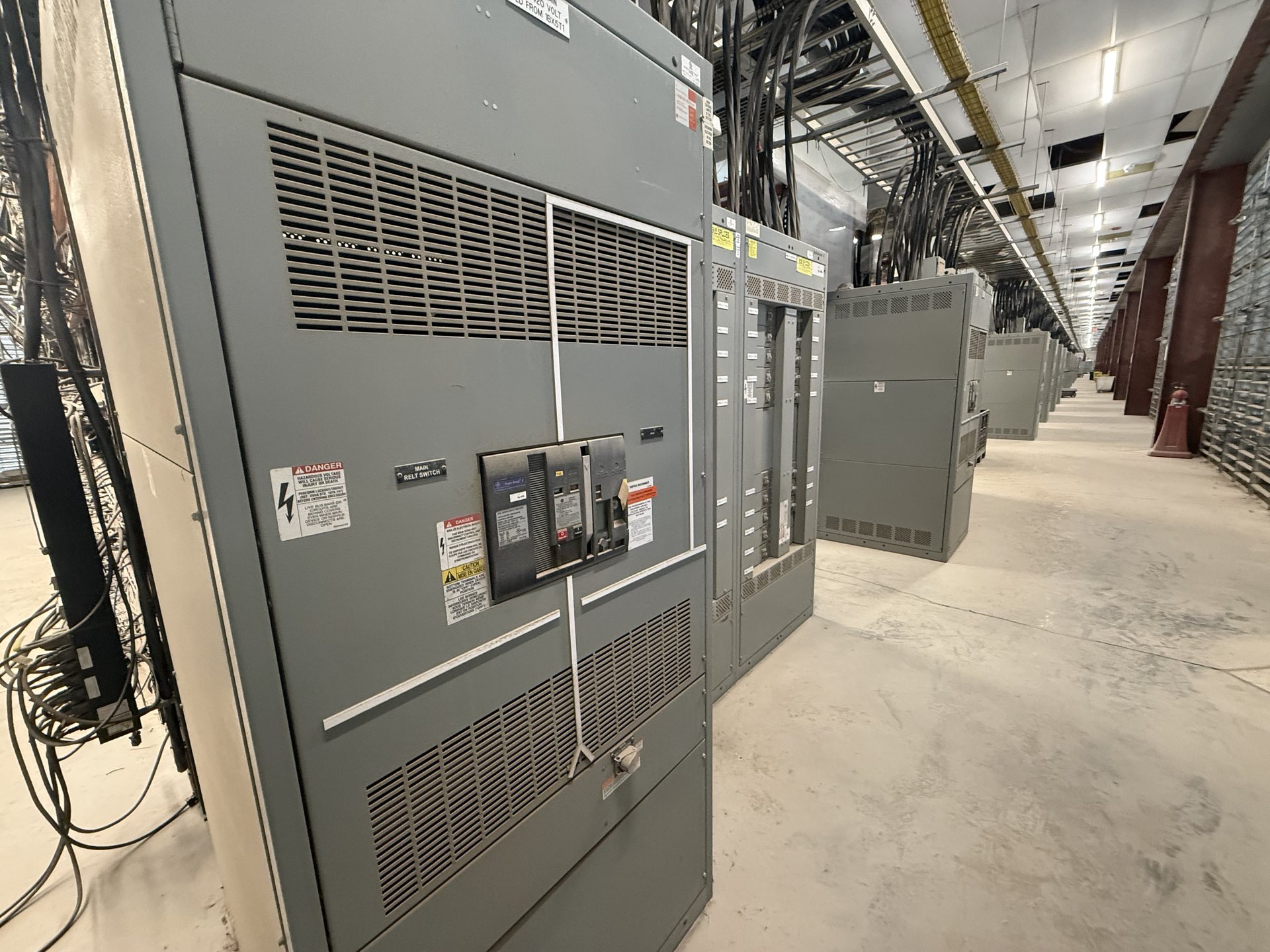
Define the outage window from the work sequence
An outage window is not simply the time required to install a switchboard or replace a component. It includes shutdown coordination, verification that the work area is ready, disconnection and removal, positioning and connection of new equipment, inspection, testing, and authorization to restore service. Ask each project participant which tasks require the system to be de-energized, which can be completed beforehand, and which depend on earlier work being accepted.
Duration depends on site access, equipment interfaces, the condition and layout of existing gear, the extent of new work, and the required approval steps. Build the schedule from a task sequence rather than an assumed standard duration. Identify decision points, responsible parties, and the latest time each task can finish without compressing required inspections or safe work procedures.
Map loads and operational constraints
Before selecting an outage window, document which loads can be interrupted, which must remain available, and what operating limits apply during reduced service. Coordinate with facility operations to identify critical processes, occupied areas, dependencies such as controls or cooling, and any periods when shutdown is restricted. A one-line diagram and current equipment schedules can help the team distinguish affected circuits from loads that may remain energized through another approved source.
Confirm how operations will monitor the facility during the work and who has authority to approve shutdown, hold points, and restoration. Ask whether loads can be staged, shut down in phases, or transferred under an established operating plan. These constraints influence equipment configuration and outage sequencing, but the manufacturer cannot assume that an existing source, circuit, or transfer arrangement is suitable without project-specific review.
Evaluate temporary feeds before committing to them
A temporary feed may help maintain selected operations, but it introduces its own design, coordination, and execution requirements. Determine which loads need temporary service, their electrical characteristics and connection points, and whether the proposed source can support them under the intended operating conditions. The project team should also establish how temporary equipment will be protected, isolated, monitored, and removed once permanent equipment is ready.
Include the temporary-feed plan in the electrical design and outage schedule early enough to coordinate permits, access, equipment placement, cable routing, and responsible contractors. Confirm that the arrangement is acceptable to the facility and relevant authorities, and that qualified personnel can execute it under approved procedures. Do not treat a temporary feed as available merely because a nearby source exists; its suitability and implementation require engineering and site review.
Sequence contractors, access, and equipment readiness
The critical path often crosses several trades. Align shutdown and isolation responsibilities with removal, rigging, installation, cable or bus connections, controls work, inspections, and testing. Establish who provides each interface, what prerequisites must be complete before the outage starts, and how delays or incomplete work will be communicated. Confirm equipment dimensions, access routes, lifting constraints, connection details, and work-area readiness before scheduling the shutdown.
For a new switchboard or new retrofit components, resolve specification questions and interface conditions before the planned outage wherever practicable. Share approved drawings, connection information, and submittal status with the contractor and facility team, then identify which documents must be accepted before field work proceeds. Equipment engineering, component origin, documentation, and lead time are confirmed for each quotation; a schedule should not rely on unreviewed assumptions.
Plan testing and authorization to restore service
Testing and inspection are schedule activities, not last-minute tasks after installation. Define the required checks for the project, who will perform or witness them, what acceptance criteria and records apply, and which results must be reviewed before energization. Coordinate these requirements with the engineer, contractor, owner, and applicable authorities. The exact documentation and standards depend on the specified configuration and should be confirmed during project review.
Switchgear installation, servicing, testing, and energization require qualified personnel working under approved procedures. Include time for correcting deficiencies, documenting results, obtaining required approvals, and conducting a controlled restoration. For switchboards, UL 891 may be relevant to the applicable assembly, but listing and standards must be verified for the specific configuration; the standard should not be assumed to apply to every type of switchgear.
Build practical contingencies into the plan
A credible outage plan identifies what happens if equipment access is delayed, an interface differs from the drawings, a test result is unacceptable, or a required approval is not available. Set decision thresholds in advance: when to pause work, who evaluates a deviation, how operations are protected, and who can authorize a revised sequence. Keep contingency actions consistent with the facility’s safety procedures rather than relying on improvised switching or unapproved temporary connections.
Ask the project team to distinguish schedule float from work time that is mandatory for safe completion, inspection, or restoration. Confirm the status of drawings, components, contractor resources, site access, and required documentation before setting a final outage date. When requesting pricing, provide the proposed equipment scope, available system information, operating constraints, and target outage assumptions so we can review the new equipment or new retrofit components against the project requirements.