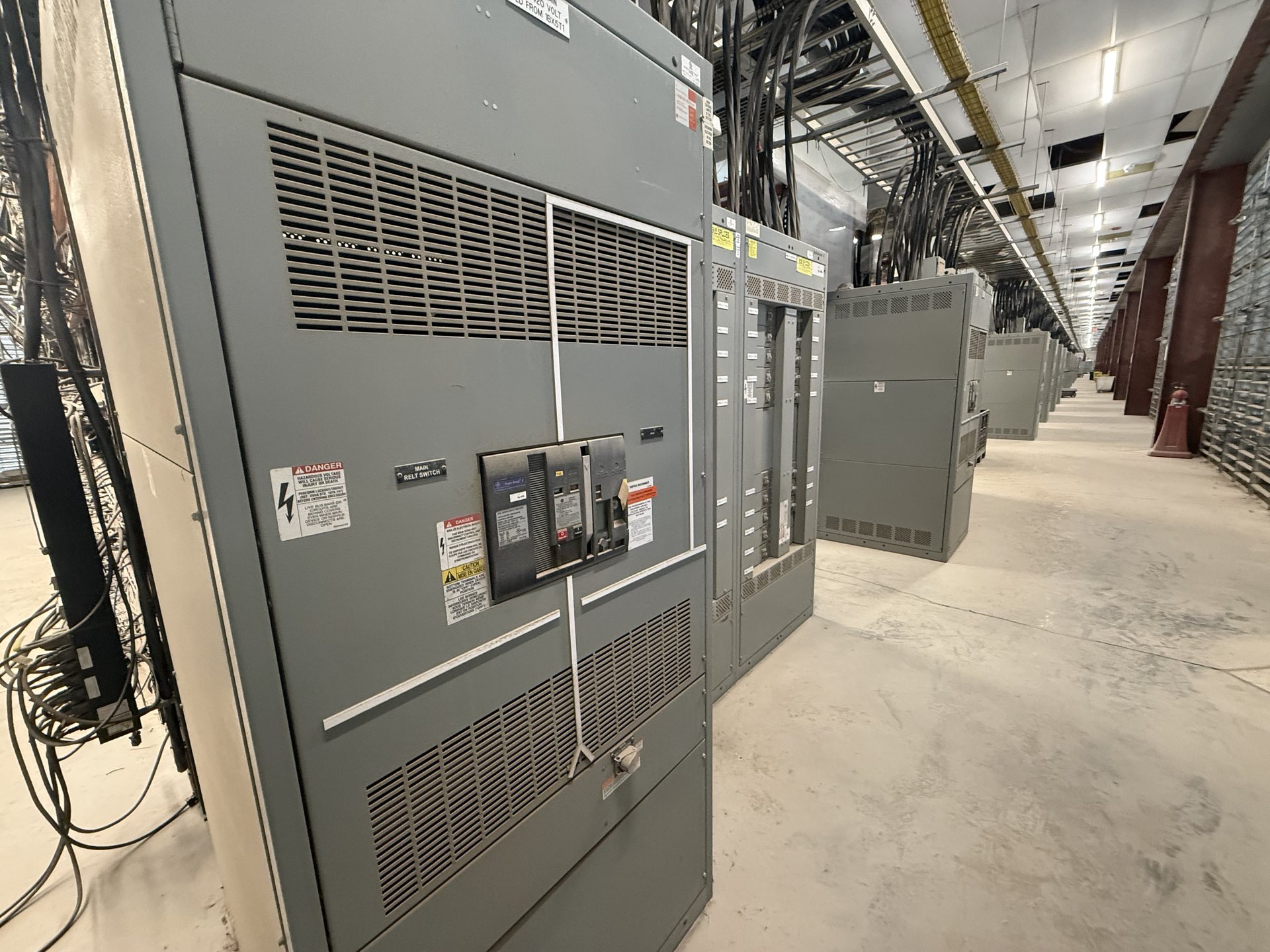
Why switchgear does not have one guaranteed lifespan
A published design life, an expected maintenance interval, and the time an assembly remains suitable for a facility are not the same measure. Equipment may continue to operate while its condition, protection functions, or compatibility with the facility no longer meet project requirements. Conversely, age alone does not establish that equipment must be replaced. A responsible decision considers observed condition and documented requirements rather than relying on a universal age threshold.
For a useful assessment, gather the equipment nameplate information, drawings, available maintenance and inspection records, and a description of changes to the connected system. Identify the assembly type, its role, the loads it serves, and any known faults or recurring issues. These details help an engineer or qualified service provider determine what information is missing and whether continued use, component replacement, or a new assembly merits further evaluation.
Environmental conditions that accelerate deterioration
Heat, moisture, dust, corrosive contaminants, and restricted airflow can affect insulation, conductive connections, mechanical parts, and protective devices over time. A clean, controlled indoor electrical room is a different operating environment from a location exposed to condensation, airborne debris, chemical vapors, or repeated temperature swings. The enclosure and its surroundings should be considered together: an enclosure rating does not eliminate the effects of unsuitable installation conditions or neglected environmental controls.
When reviewing a site in Texas, consider the actual electrical-room conditions rather than assuming one climate-related conclusion applies across the state. Ask whether the room has experienced water entry, persistent humidity, unusual heat, dust accumulation, or nearby chemical exposure. Record ventilation arrangements, room temperature observations, and any history of flooding or condensation. This context can help identify whether environmental correction is needed alongside equipment repair or replacement planning.
Operating duty and the history of switching events
The number and type of operations matter. Equipment that switches frequently, serves changing loads, or experiences repeated fault interruptions may face different mechanical and electrical demands than equipment used less often. Load characteristics, system changes, protective-device coordination, and the severity of past events all inform an assessment. A simple count of years in service cannot capture this operating history or establish whether components remain appropriate for the present duty.
Ask facility staff for available operating logs, outage reports, fault records, and information about load growth or equipment changes. Note whether breakers or other devices operate routinely, only during planned transfers, or following abnormal events. If an assembly has experienced a fault or other damaging event, do not infer its condition from appearance alone. Qualified personnel should evaluate it under approved procedures before decisions about continued operation or replacement are made.
Maintenance records and condition assessment
Maintenance history helps distinguish a well-documented assembly from one whose condition is uncertain, but a record of service is not a guarantee of remaining life. Useful records may include inspection findings, identified defects, corrective actions, operating history, and documents for prior modifications. Missing records should be treated as an information gap, not proof that equipment is either sound or unusable. A qualified assessment should address the equipment’s actual condition and the facility’s applicable requirements.
Plan condition reviews around the equipment, its history, and approved site procedures. Qualified personnel can determine which inspections or tests are appropriate, what precautions apply, and whether findings warrant repair, monitoring, or replacement. This page does not provide instructions for live electrical work: installation, servicing, testing, and energization require qualified personnel following approved procedures. Keep assessment records with the drawings and equipment documentation so future decisions have a reliable basis.
Component support and the limits of retrofit planning
Aging assemblies can become difficult to maintain when compatible components, technical documentation, or suitable replacement parts are no longer supported. Before deciding to retain equipment, confirm the identity and condition of the components that affect its function, and determine whether appropriate replacements can be specified. A part that appears similar is not necessarily compatible with the assembly’s electrical, mechanical, or protection requirements. Component support should be confirmed for the specific configuration.
Where a retrofit is appropriate, Switchgear Builders Texas supplies new retrofit components only. The assessment should identify the existing assembly, the required function, relevant drawings, and any interface or coordination constraints. If support or compatibility cannot be established, compare a defined retrofit scope with the requirements for a new assembly. Engineering review is essential before assuming that a component change resolves broader condition or system issues.
Planning replacement around project requirements
Replacement planning is more reliable when it begins with the facility’s current and anticipated needs, not simply the age of the existing equipment. Document system requirements, loads, available fault information, space and connection constraints, operating needs, and applicable project standards. Identify what can be reused, what must change, and what documentation the project requires. These inputs give a manufacturer a practical basis for reviewing a new assembly or retrofit scope and identifying open engineering questions.
We manufacture new switchgear and switchboard equipment to specification using American components as specified by the customer, and serve Texas from the United States while shipping nationwide. For a quotation, provide available drawings, equipment data, project requirements, and the requested documentation. Configuration, component origin, applicable standards, listing, test documentation, and lead time must be confirmed for each project. UL 891 applies to switchboards; its relevance and any applicable listing should be verified for the proposed configuration.