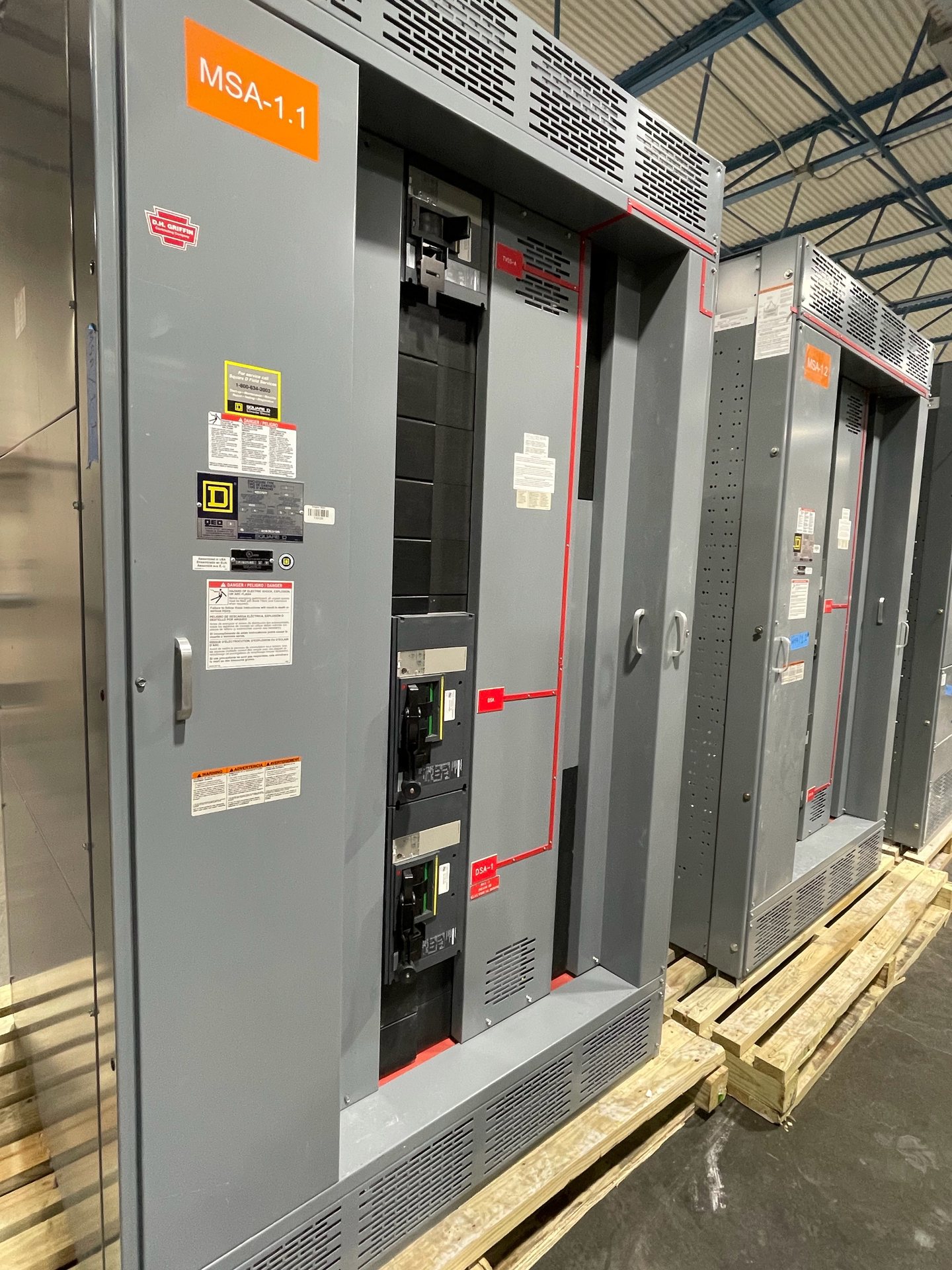
Arc flash: what the term means
An arc flash occurs when electrical current travels through an unintended conductive path, producing intense heat, light, pressure, and potentially molten material. An arc can begin following an equipment failure, contamination, damage, or an error during work, but its occurrence and consequences depend on the particular electrical system and circumstances. The term describes a hazard, not a predictable feature or normal operating mode of switchgear.
Arc flash is related to, but distinct from, electric shock. Shock involves current passing through a person’s body; arc-flash hazards arise from energy released by an electrical arc and may expose people to heat, pressure, sound, and debris. A system can present more than one hazard at once. Project teams should consider both when defining equipment, access, operating procedures, and required protective measures.
Incident energy is specific to the installation
Incident energy is an estimate of the thermal energy that could reach a working distance during an arc-flash event under analyzed conditions. It is not a fixed attribute of a switchboard or switchgear lineup. The result depends on the electrical system, protective-device settings and operation, equipment characteristics, working distance, and the assumptions and methods used by the qualified person performing the analysis.
That makes incident-energy analysis project-specific. A value from another building, a previous equipment configuration, or a manufacturer’s general product information cannot establish the exposure for a new installation. When scoping an analysis, the project team should coordinate available one-line diagrams, utility and source data, conductor information, equipment details, protective-device settings, and the intended operating configurations. Missing or changed inputs can affect the analysis and its conclusions.
Labels communicate analysis, not permission to work
An arc-flash label is a communication aid associated with a particular equipment location and analysis. Depending on applicable requirements and the analysis, it may communicate hazard information and relevant work-planning details. It should be legible, maintained, and consistent with the installation and the analysis records. A label alone does not establish that equipment is safe to approach or that a particular task is authorized.
Labels can become outdated after system changes, such as revised protective-device settings, altered sources, added equipment, or modifications to the distribution arrangement. The owner and project team should define who maintains analysis records, reviews changes, and updates affected labels. Before relying on label information, qualified personnel should confirm that it applies to the current equipment and system configuration and follow the employer’s approved procedures.
PPE is one part of a safe-work plan
Personal protective equipment is selected and used as part of a broader risk-control approach; it is not a guarantee against injury. A label or calculated value should not be treated as a substitute for evaluating the task, equipment condition, approach, and work method. PPE decisions belong to qualified personnel following applicable requirements and the employer’s safety program, with equipment appropriate to the specific work and hazard assessment.
Safe work planning can include establishing an electrically safe work condition when required, controlling access, selecting suitable work methods, and verifying that personnel are qualified and authorized. Equipment design and maintenance also influence risk, but no switchgear specification eliminates the need for safe procedures. Installation, servicing, testing, and energization must be performed by qualified personnel under approved procedures, not inferred from a product description or label.
Equipment scope and documentation questions
For a new switchboard or other distribution-equipment package, align the equipment scope with the project’s one-line diagram, service conditions, protective-device coordination, space constraints, and intended operating arrangement. Ask which information the manufacturer needs to prepare a configuration-specific quotation, what drawings and component data will be provided for review, and how project changes will be coordinated. Confirm applicable standards and any listing requirements for the proposed configuration rather than assuming they apply universally.
If a project involves a retrofit, define the exact equipment and component interface before requesting pricing. Useful inputs include the existing manufacturer and assembly identification, available drawings, photographs, dimensions, device and bus details, connection requirements, and the intended function of the replacement component. We supply new equipment and new retrofit components only. Fit, compatibility, engineering review, component origin, and documentation must be confirmed for each quoted project.
How to use the glossary in project decisions
Use “arc flash” to identify a hazard that deserves site-specific evaluation, and “incident energy” for an analysis result tied to defined system inputs and assumptions. Use “arc-flash label” to refer to a communication tool, not a work authorization. These distinctions help engineers, contractors, and purchasing teams keep product specifications, study responsibilities, label maintenance, and work controls from being mistakenly treated as one interchangeable deliverable.
When requesting pricing from Switchgear Builders Texas, share the required equipment function, design parameters, configuration, applicable drawings, component preferences, and project schedule for review. We build new equipment to specification using American components as requested; component origin and project documentation should be confirmed in the quotation process. We serve Texas from the United States and ship nationwide. Availability, engineering scope, lead time, and applicable standards are confirmed for each project.