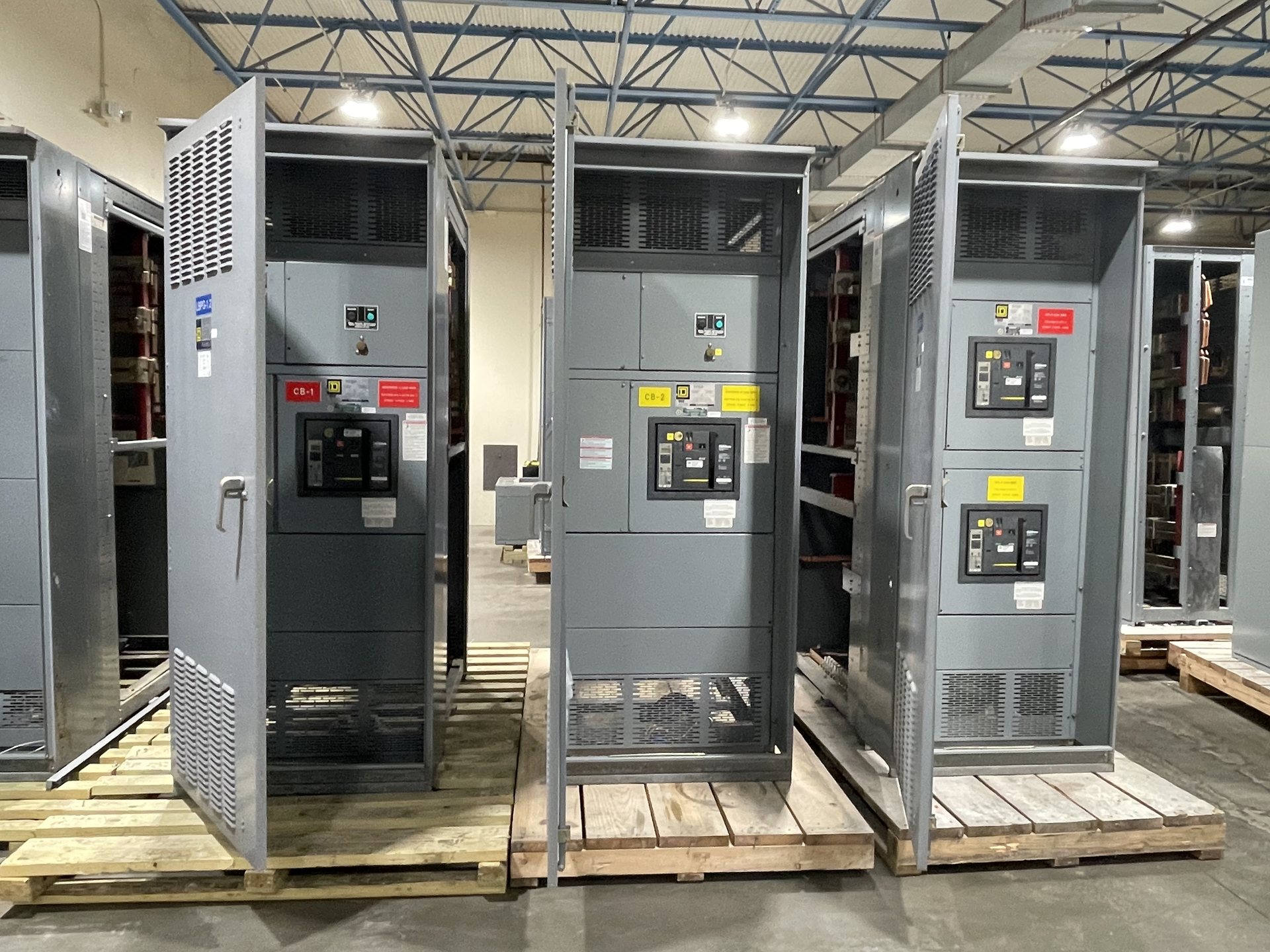
Define the modernization boundary before selecting equipment
Start by identifying what the project replaces and what remains in service. The boundary may be an entire distribution lineup, a section of a switchboard, or selected components connected to existing bus and feeders. Record the equipment manufacturer and model when known, nameplate data, overall arrangement, compartment dimensions, bus configuration, and the location and function of every interface. These details help determine whether a new assembly or a specifically designed retrofit component is appropriate.
Clarify how the affected distribution serves process loads, buildings, motor control centers, and other connected systems. Ask which feeders must remain available during construction, which loads can be curtailed, and whether alternate sources or tie arrangements are part of the approved operating plan. Provide one-line diagrams and current field information, not only legacy drawings; undocumented modifications can change both physical fit and electrical compatibility.
Document existing electrical and physical interfaces
Equipment selection depends on more than nominal voltage and current. Share system voltage, phase and frequency, available fault-current information, protective-device details, grounding approach, bus ratings where established, and the upstream and downstream equipment connected at the replacement boundary. Identify metering, control, communications, and interlocking requirements that must continue to function. Where values are unknown or drawings conflict with the installed system, flag the uncertainty for engineering review rather than treating an assumption as verified.
For physical interfaces, document room clearances, access routes, mounting and anchoring conditions, cable entry direction, conductor sizes and terminations, and any environmental conditions that affect enclosure selection. Photos and measured dimensions can reveal constraints that a one-line diagram cannot. State whether existing conduits, cable, and supports are intended to remain. Compatibility is configuration-specific: retaining an existing interface may require a different arrangement than replacing equipment and its associated connections.
Plan around limited outage windows
Mining operations may have narrow windows for isolating distribution equipment, so establish outage constraints before finalizing the scope. Identify the equipment that must be de-energized, the process loads affected, allowable outage duration as defined by the project, and the sequence in which systems can be made available. Clarify who approves the operating plan and what conditions must be satisfied before equipment is released for removal or installation.
Early planning can separate work that can be completed before the outage from work that depends on isolation. Confirm whether the project needs preassembled sections, defined shipping splits, or a particular arrangement to suit access and handling restrictions. These are design and logistics inputs, not promises of a specific delivery schedule. Availability, engineering scope, component origin, and lead time are reviewed for each quotation against the finalized requirements.
Specify new replacement equipment and retrofit components
Replacement scope should state whether the existing lineup is removed in full or whether particular interfaces are retained. For a new assembly, specify the electrical ratings, section arrangement, protective-device functions, metering, control wiring, communications, enclosure requirements, and connection points required by the project. For a retrofit, identify the exact equipment being interfaced with, the component to be replaced, its function, and the mechanical and electrical details needed to assess fit and operation.
Switchgear Builders Texas supplies new equipment and new retrofit components built to specification using American components when specified by the customer. Origin and applicable documentation must be confirmed for each quotation; this does not establish independent verification or compliance with domestic-content requirements. Provide requested component preferences and any project purchasing clauses for review. A component’s suitability cannot be established from a product description alone when the installed equipment and interfaces are not documented.
Prepare a commissioning sequence that supports safe handoff
A staged commissioning plan should define what is inspected and documented at each project stage, who is responsible, and what approvals are required before progression. Identify the new equipment sections and connections that will be available for review before installation, the records expected at handoff, and the coordination required with upstream and downstream systems. Include protection settings, control logic, metering, communications, and interlocks in the scope where they apply.
The commissioning sequence must account for the final installed configuration and the facility’s approved operating procedures. Define prerequisites for energization and the information needed to close out the replacement, including applicable drawings and equipment documentation. Installation, inspection, testing, servicing, and energization must be performed by qualified personnel under approved procedures. Specific test documentation and any applicable listing or standards depend on the quoted configuration and should be confirmed during project review.
Assemble a quotation package that resolves project unknowns
A focused inquiry should include the latest one-line diagram, equipment schedules, available fault-current data, existing nameplates, interface measurements, and a clear description of the replacement boundary. Add the required electrical and mechanical specifications, preferred American components if applicable, control and communication needs, and requested document submittals. Mark information that is provisional, missing, or awaiting field verification so assumptions can be identified before design decisions are made.
Include the operating constraints that affect the solution: outage windows, required staging, access limits, shipping or handling restrictions, and any specified replacement sequence. State whether the request is for a complete new assembly or new retrofit components, and identify the existing equipment to which they must connect. We review these details to develop a project-specific scope and pricing. Availability, configuration, applicable standards, component origin, documentation, and lead time require confirmation in the quotation.